Medical Topics — Clear, Practical Guides on Meds, Respiratory Health & Cancer
Confused about which medication fits you or a family member? This Medical Topics section cuts through jargon and gives straight answers you can use. Each piece breaks down how a treatment works, who might benefit, and what to ask your clinician next.
Want a quick map of what's here? Below are the key reads and the most useful takeaway from each one.
What you'll find
SV2A Modulators Compared: If you or someone you know uses levetiracetam (Keppra) or brivaracetam, this article explains the real difference—SV2A binding strength, likely side effects, and who usually sees better seizure control. Practical tip: learn which drug matches your seizure type and what to watch for after a switch.
Best Symbicort Alternatives for Asthma and COPD in 2025: This guide lists cost-effective inhalers, compares how well they work, and covers insurance hurdles in different countries. Practical tip: bring the comparison list to your next appointment so you and your prescriber can decide together.
Breathe Easier: Lungmoss Supplement: Curious about natural lung support? This article explains how Lungmoss is supposed to work, who reports benefits, and simple ways to use it safely alongside other treatments. Practical tip: check for interactions with inhaled medicines and ask your pharmacist before starting.
Targeted Therapy in Leukemia: Targeted drugs aim at cancer-specific changes rather than attacking all fast-growing cells. The piece shows which leukemias respond best, what side effects to expect, and how targeted therapy fits into treatment plans. Practical tip: ask your oncologist if molecular testing could open targeted options for you.
Cyclophosphamide: A Chemotherapy Mainstay: This article explains where cyclophosphamide still matters, what it does to leukemia cells, and how teams manage common side effects like nausea and low blood counts. Practical tip: if you're starting cyclophosphamide, get a clear plan for blood tests and infection prevention.
How to use this page
Start with the article that matches your immediate question. Read the practical tips, then make a short list of questions for your provider: dosage concerns, side effects to expect, monitoring steps, and insurance or cost issues. If a treatment sounds promising, compare two articles side-by-side—cost, convenience, and evidence often decide which one fits your life.
If you need help picking where to start, use the search box or check our newest posts first. Remember: these guides help you understand options, not replace medical advice. When in doubt, bring the article printout or link to your clinician so you both see the same facts and can make a plan together.

How to Prepare for Pediatric Procedures with Pre-Op Medications: A Parent's Guide
Learn how to manage pediatric pre-op medications and fasting guidelines to ensure your child's safety and reduce anxiety during medical procedures.
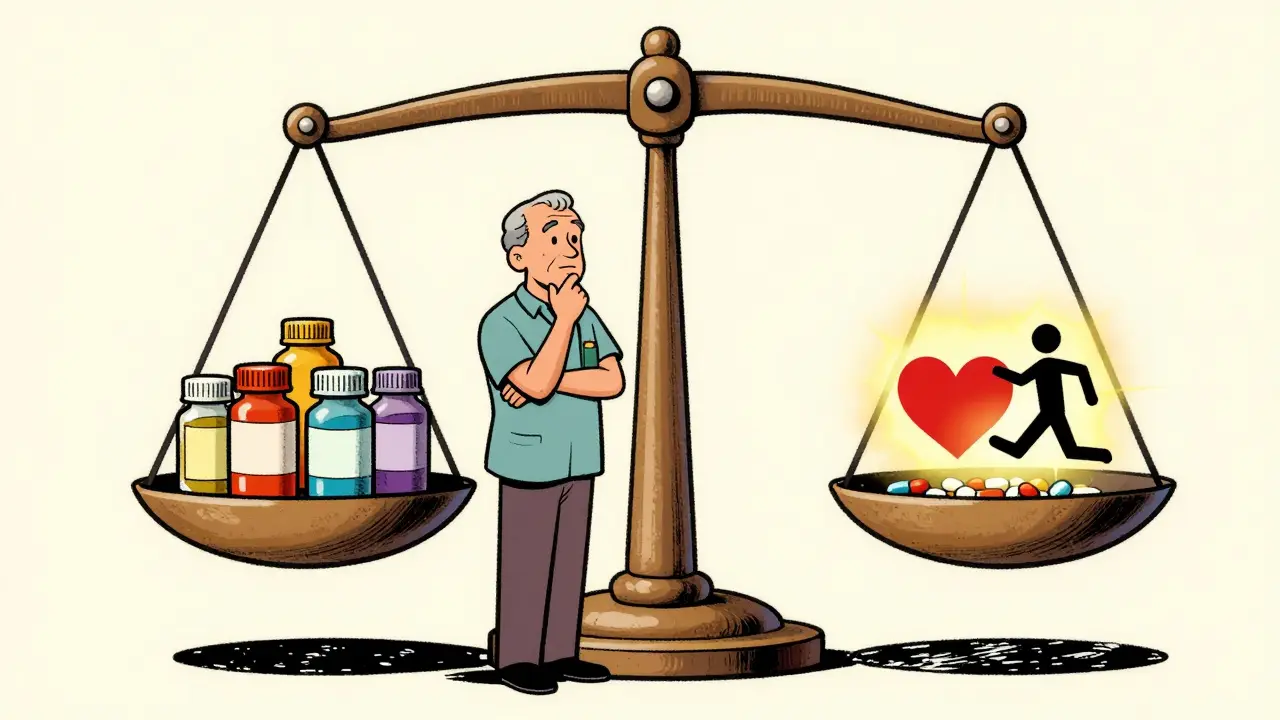
Decision Aids for Switching Medications: Risks and Benefits Explained
- 8 Comments
- Apr, 1 2026
Understanding how decision aids help patients choose between medication options by clarifying risks, benefits, and personal preferences for safer transitions.

Plantar Fasciitis: Heel Pain Causes and Treatment Options
- 8 Comments
- Mar, 30 2026
Understanding plantar fasciitis involves recognizing it as a degenerative issue rather than simple inflammation. Learn proven treatments like specific stretches and shockwave therapy to manage heel pain effectively.
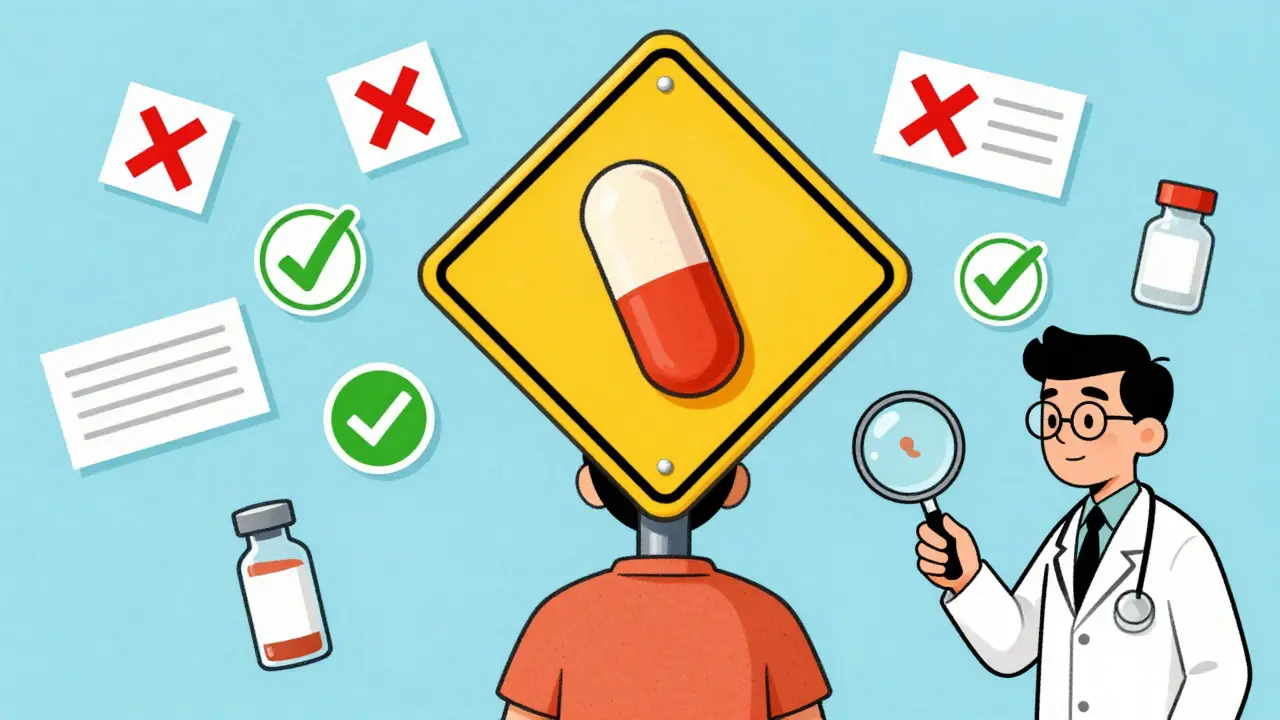
When to Avoid a Medication Family After a Severe Drug Reaction
- 9 Comments
- Mar, 22 2026
After a severe drug reaction, avoiding the entire medication family isn't always necessary. Learn which reactions truly require avoidance, how to tell the difference between allergy and side effect, and how to safely get back on the right medication.
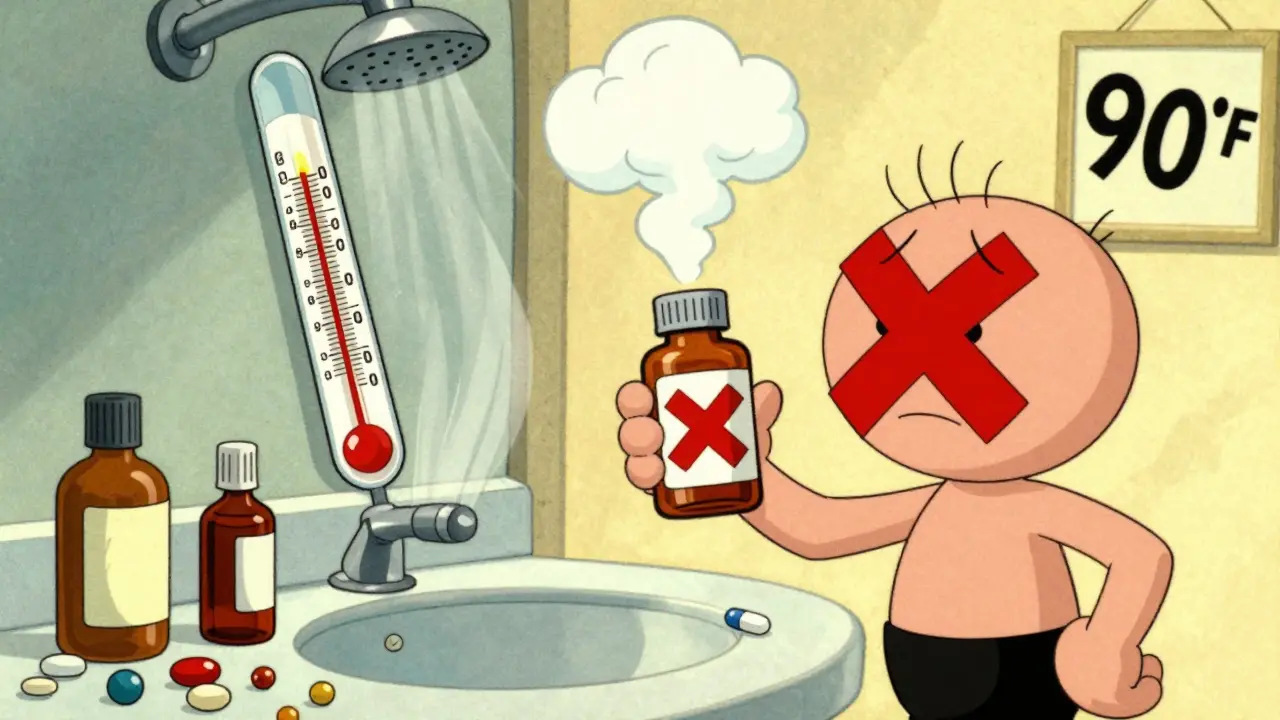
How to Read Storage Instructions on Medication Labels
Learn how to read and follow storage instructions on medication labels to keep your drugs effective and safe. Avoid common mistakes like storing pills in the bathroom or car, and understand what terms like 'refrigerate' and 'protect from light' really mean.
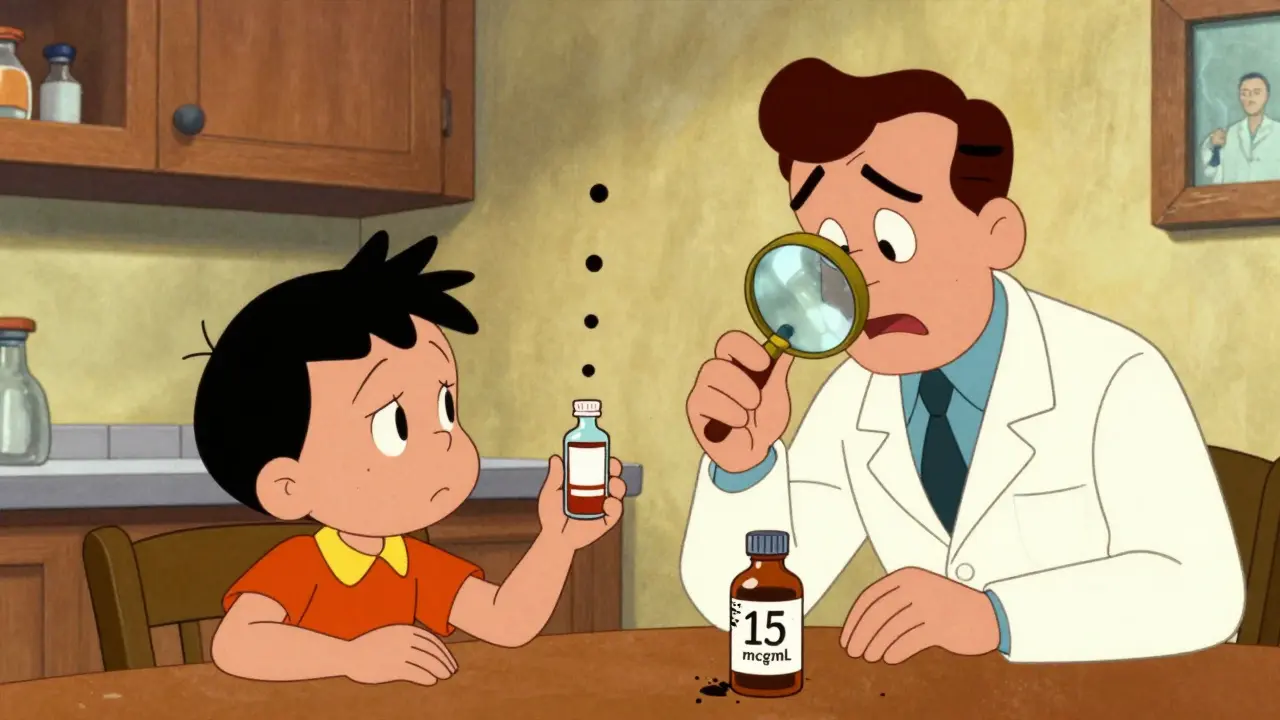
How to Use Compounded Medications for Children Safely
- 9 Comments
- Mar, 18 2026
Compounded medications for children can be lifesaving-but they carry serious risks if not made and used correctly. Learn how to spot safe pharmacies, verify doses, and protect your child from preventable errors.
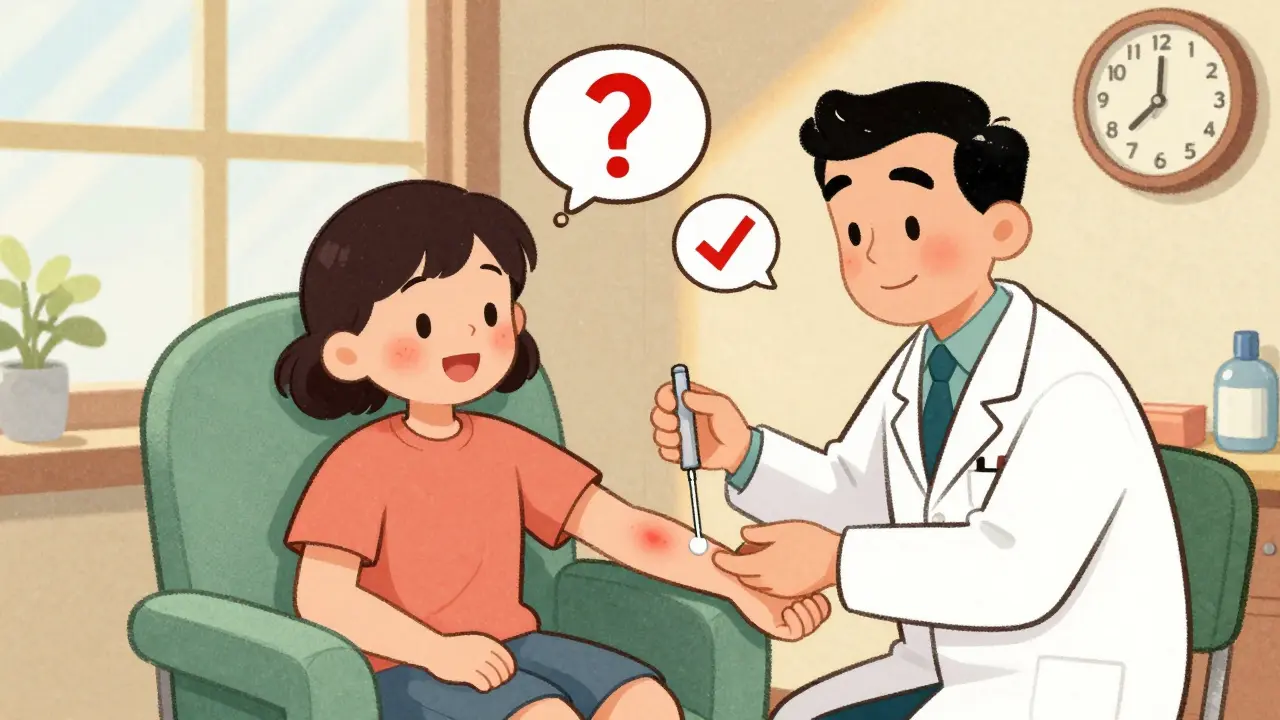
Drug Allergy Skin Testing Explained for Patients
- 11 Comments
- Mar, 15 2026
Drug allergy skin testing helps determine if you truly have an allergy to medications like penicillin. Simple, safe, and accurate, it can prevent unnecessary avoidance of effective antibiotics and reduce health risks.

How Liver and Kidney Changes in Older Adults Affect Medication Safety
- 10 Comments
- Mar, 11 2026
As we age, liver and kidney changes slow how our bodies process medications - leading to dangerous side effects. Learn how these changes affect drug safety and what seniors and caregivers can do to prevent harm.
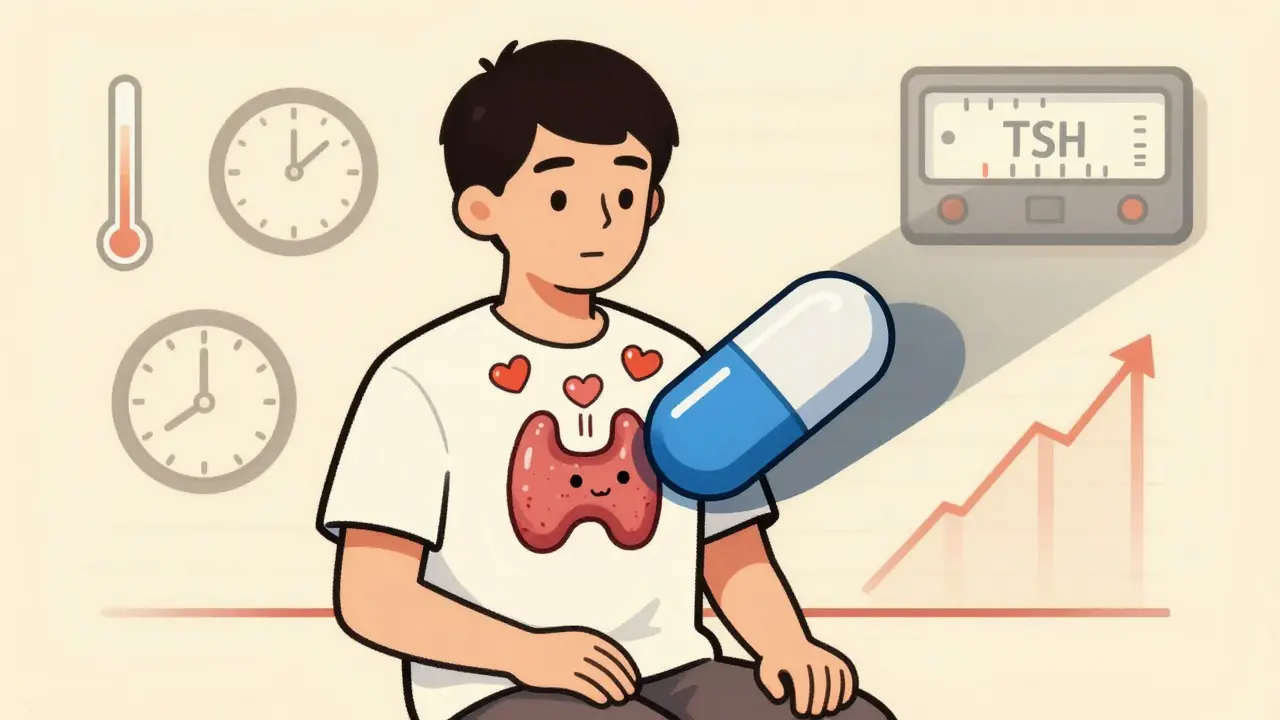
Lithium and Thyroid Disease: How It Affects You and What to Do About It
- 11 Comments
- Mar, 8 2026
Lithium is highly effective for bipolar disorder but can cause thyroid problems like hypothyroidism and goiter in up to 32% of users. Learn how to monitor, manage, and treat these side effects without risking mood stability.
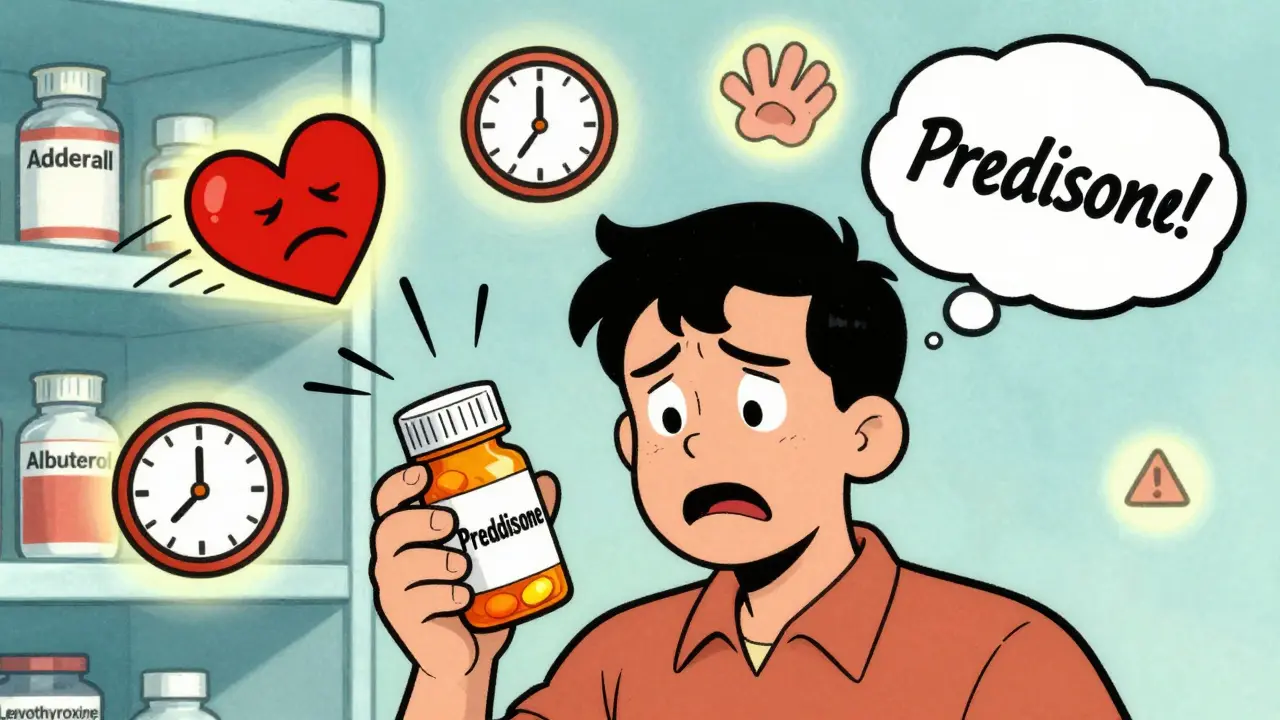
Anxiety and Nervousness Caused by Medications: Triggers and Solutions
- 14 Comments
- Mar, 4 2026
Medications like steroids, ADHD drugs, and thyroid meds can trigger anxiety symptoms. Learn which drugs cause nervousness, how to spot the connection, and what steps to take to get relief without stopping essential treatment.