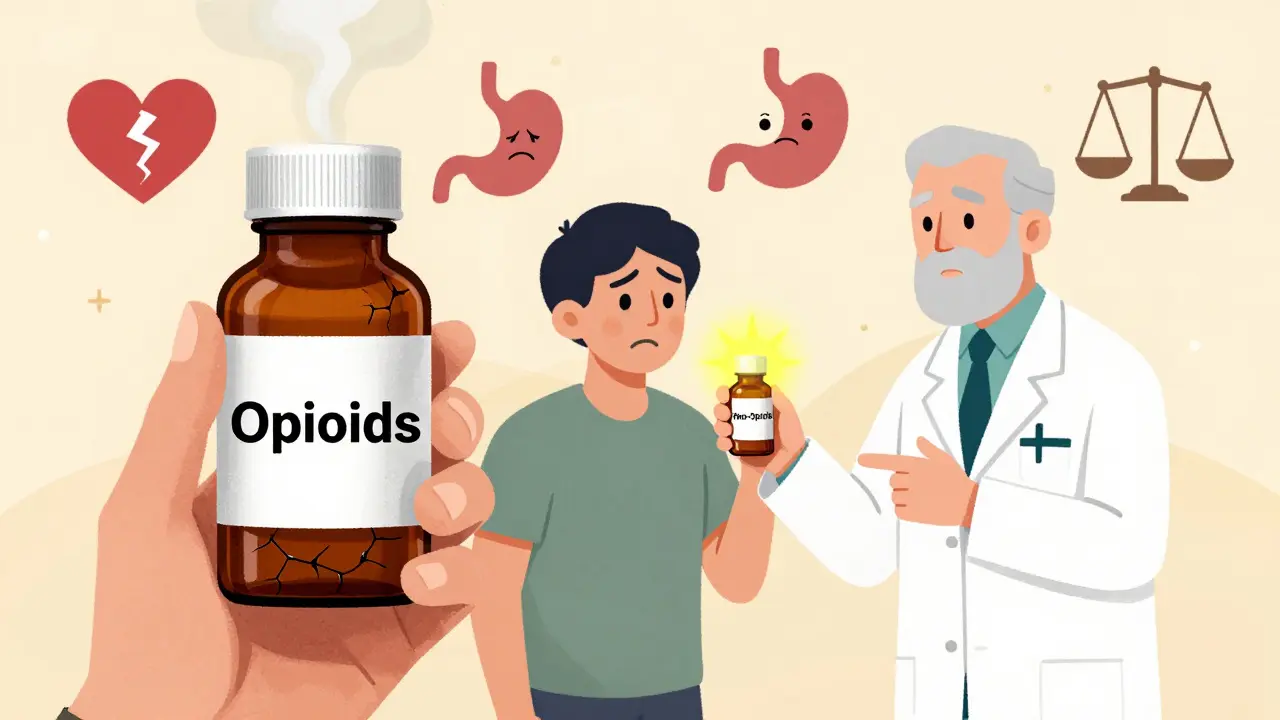
When you’re in pain, finding relief is the only thing on your mind. But not all pain meds are created equal - and the choice between opioids and non-opioids can mean the difference between safe relief and serious danger. For decades, opioids were the go-to solution for chronic pain. Today, that’s changing. Evidence is clear: non-opioid options often work just as well - with far fewer risks.
What Are Opioids, Really?
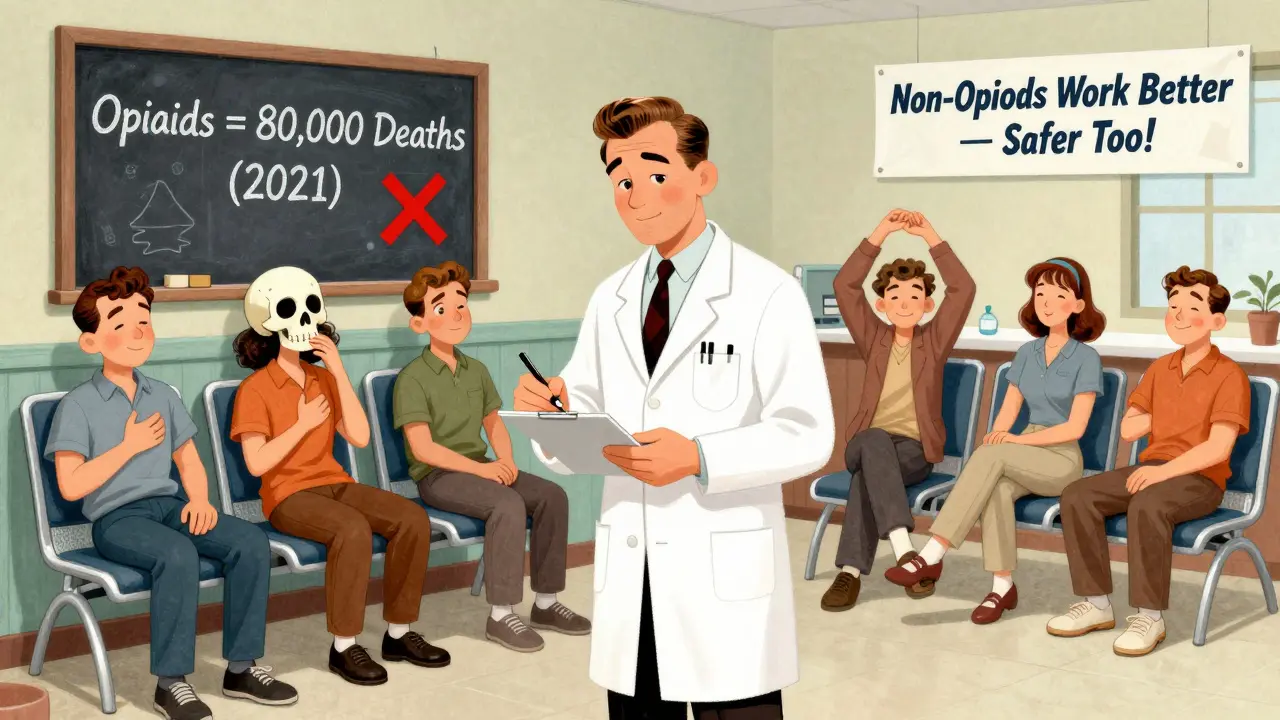
Opioids are drugs that bind to opioid receptors in the brain and spinal cord to reduce pain signals. Common ones include oxycodone, hydrocodone, morphine, and fentanyl. They were once seen as the gold standard for pain control. But their history is darker than many realize. Morphine was isolated in the early 1800s, and for over a century, they were prescribed freely - even for minor injuries. By the 2010s, overprescribing had fueled a crisis. In 2021 alone, more than 80,000 people in the U.S. died from opioid overdoses, according to the CDC.
Long-term use brings more than addiction risk. A 2017 study of nearly 300,000 patients found that those taking opioids for 180 days or more over 3.5 years had more than double the risk of heart attack. Daily doses above 120 mg of morphine equivalent raised that risk even further. Even if you don’t become addicted, opioids can silently damage your heart, gut, and immune system.
Non-Opioids: More Than Just Ibuprofen
Non-opioid pain relievers include NSAIDs like ibuprofen and naproxen, acetaminophen (Tylenol), and newer options like Journavx, approved by the FDA in March 2024. These drugs don’t target the brain’s reward system. Instead, they reduce inflammation or block pain signals at the source.
They’re not new - aspirin was developed in 1897 - but their role is changing. A landmark 2018 study called the SPACE trial followed 240 patients with chronic back or joint pain for a year. One group got opioids. The other got NSAIDs and acetaminophen. At the end of the year, pain relief was nearly identical. But the non-opioid group had fewer side effects: less dizziness, constipation, and nausea. Most surprisingly, their overall pain levels were slightly lower.
That pattern holds across studies. A 2024 review in Pediatrics analyzed five trials involving children with broken bones or post-surgery pain. In every case, ibuprofen or acetaminophen worked just as well as morphine or codeine - and with far fewer side effects. Kids on opioids had more vomiting, drowsiness, and even low oxygen levels. For adults, the same logic applies: non-opioids deliver relief without the dangerous trade-offs.
Why Opioids Still Get Prescribed
If the evidence is so clear, why do doctors still write opioid prescriptions? Partly because patients expect them. Partly because pain is hard to measure. And partly because, until recently, guidelines didn’t push back hard enough.
The CDC’s 2022 guidelines changed that. They now say: Use non-opioid therapy first. Opioids should only be considered if other options fail - and even then, only at the lowest possible dose and shortest duration. The American College of Physicians and the VA have echoed this stance. The VA’s own data shows opioids aren’t superior in pain control - just more dangerous.
Even the FDA is stepping in. Journavx, approved in 2024, is the first new non-opioid painkiller in decades. It was tested in over 800 patients recovering from surgery. It worked better than placebo, and patients needed less rescue medication. This isn’t a miracle drug - but it’s a sign of a larger shift. The FDA is now actively funding research into non-opioid alternatives because the risks of opioids are no longer acceptable.
When Opioids Might Still Make Sense
This isn’t about banning opioids. There are real cases where they’re necessary. Cancer patients, people in end-of-life care, or those recovering from major surgery may still need them. Even then, the trend is toward using them briefly and alongside non-opioid drugs.
One 2023 study in Pain Medicine found that sustained-release oxycodone had a lower risk of overdose and death than morphine in VA patients. That suggests not all opioids are equal - and that choosing the right one matters. But even here, the goal is to minimize use, not maximize it.
What You Should Do If You’re in Pain
Here’s what works, based on real data:
- Start with non-opioids. For back pain, arthritis, headaches, or muscle strains, try ibuprofen, naproxen, or acetaminophen. They’re cheap, widely available, and proven.
- Use physical therapy. Movement, strengthening, and stretching often reduce pain better than pills. The CDC recommends combining non-drug therapies with any medication.
- Ask about new options. If you’ve tried everything and still hurt, ask your doctor about Journavx or other non-opioid alternatives now in development.
- Don’t assume opioids are stronger. They’re not. They just come with more side effects and risks.
- Get a plan before you start. If opioids are prescribed, ask: How long? What’s the lowest dose? What’s the exit strategy?
The Bottom Line
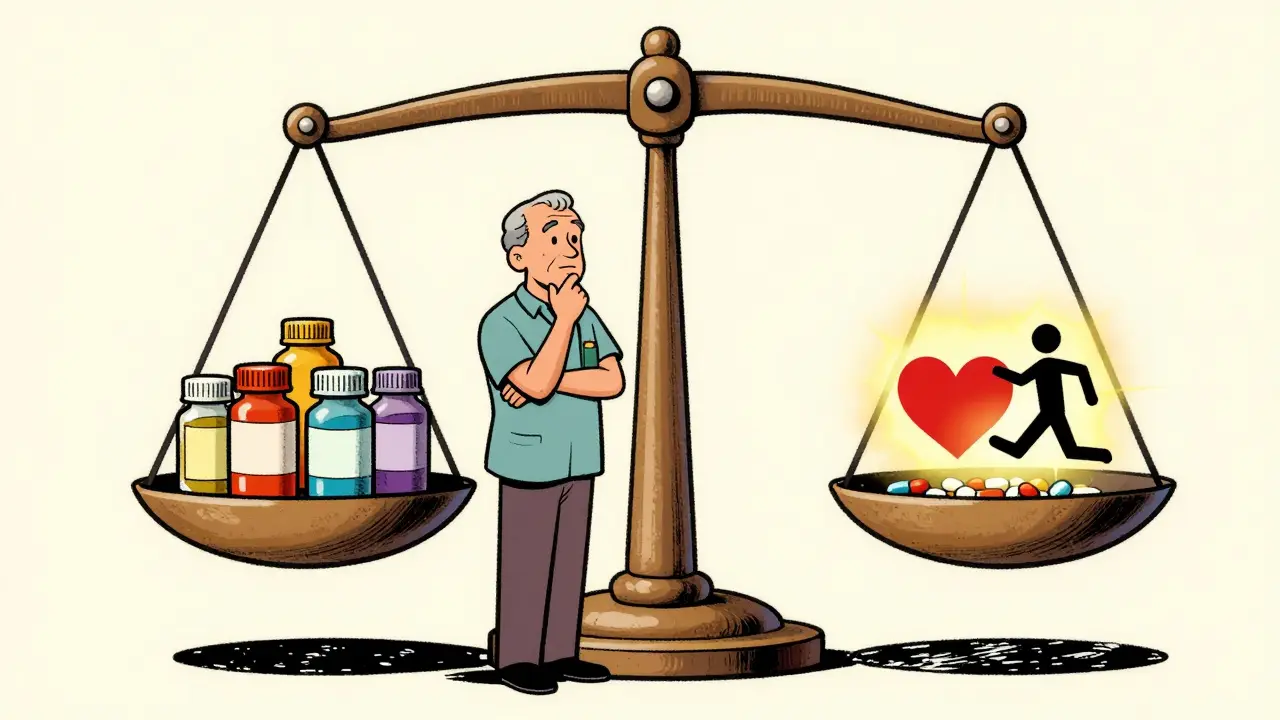
For most people with chronic or even acute pain, opioids are not the best option. They don’t work better. They just cost more - in addiction, overdose, heart damage, and quality of life. Non-opioid treatments are safer, just as effective, and increasingly backed by science and regulation.
The old thinking - that opioids are the strongest tool in the toolbox - is outdated. The new standard is clear: treat pain without putting your life at risk.
Are non-opioid pain medications really as effective as opioids?
Yes, for most types of pain. The SPACE trial and multiple other studies show that non-opioid medications like NSAIDs and acetaminophen provide similar or better pain relief than opioids for chronic back pain, osteoarthritis, and post-surgical pain. They also come with fewer side effects like drowsiness, constipation, and addiction risk.
Can I get addicted to opioids even if I take them as prescribed?
Yes. Addiction can develop even when opioids are taken exactly as directed. Studies show that long-term use - even for just a few weeks - can lead to physical dependence. The CDC estimates that about 1 in 4 people who receive long-term opioid therapy for non-cancer pain develop an opioid use disorder.
Is it safe to take NSAIDs like ibuprofen every day?
For short-term use, yes. But daily NSAID use over months or years can increase the risk of stomach bleeding, kidney damage, and heart problems - especially in people over 60 or with existing conditions. Always use the lowest effective dose for the shortest time. Talk to your doctor if you need daily pain relief for more than a few weeks.
What is Journavx, and why is it important?
Journavx is a newly approved non-opioid painkiller that works differently from traditional NSAIDs or acetaminophen. It was tested in patients after surgery and shown to reduce pain better than placebo. Its approval in 2024 marks a major step in reducing reliance on opioids for acute pain, offering a new option that avoids addiction risk entirely.
Should I avoid opioids completely?
Not necessarily - but you should avoid starting them unless absolutely necessary. For short-term, severe pain (like after major surgery), opioids may be appropriate for a few days. But for chronic pain, cancer pain, or routine injuries, non-opioid options are safer and just as effective. Always discuss alternatives with your doctor before accepting an opioid prescription.
If you’re managing pain, don’t assume the strongest drug is the best one. The safest path is often the one that avoids opioids entirely - unless your situation is truly exceptional.

Haley DeWitt
February 15, 2026 AT 13:33John Haberstroh
February 16, 2026 AT 05:11Carrie Schluckbier
February 16, 2026 AT 13:28guy greenfeld
February 17, 2026 AT 06:04Adam Short
February 17, 2026 AT 11:33Sam Pearlman
February 17, 2026 AT 15:05Steph Carr
February 17, 2026 AT 21:46Brenda K. Wolfgram Moore
February 18, 2026 AT 23:17Geoff Forbes
February 20, 2026 AT 17:00Kancharla Pavan
February 22, 2026 AT 10:01