
Imagine waking up to sudden vision loss in one eye. No pain, just blurry sight or dark spots. For over 16 million people worldwide, this is the reality of Retinal Vein Occlusion (RVO)a vascular disorder where blood flow from the retina is blocked. It's the second leading cause of sudden vision loss after age-related macular degeneration, affecting both older adults and surprisingly younger people.
What Exactly is Retinal Vein Occlusion?
Retinal Vein Occlusion happens when a vein in the retina gets blocked, stopping blood flow. This blockage causes fluid to leak into the retina, leading to swelling called macular edema. The retina is the light-sensitive tissue at the back of your eye that sends visual signals to your brain. When it swells, vision gets blurry or distorted.
There are two main types. Central Retinal Vein Occlusion (CRVO) affects the main retinal vein, causing widespread damage. Branch Retinal Vein Occlusion (BRVO) happens in smaller branches where hardened arteries cross over and compress veins. CRVO is less common but more severe, while BRVO often affects part of your vision.
Top Risk Factors for RVO
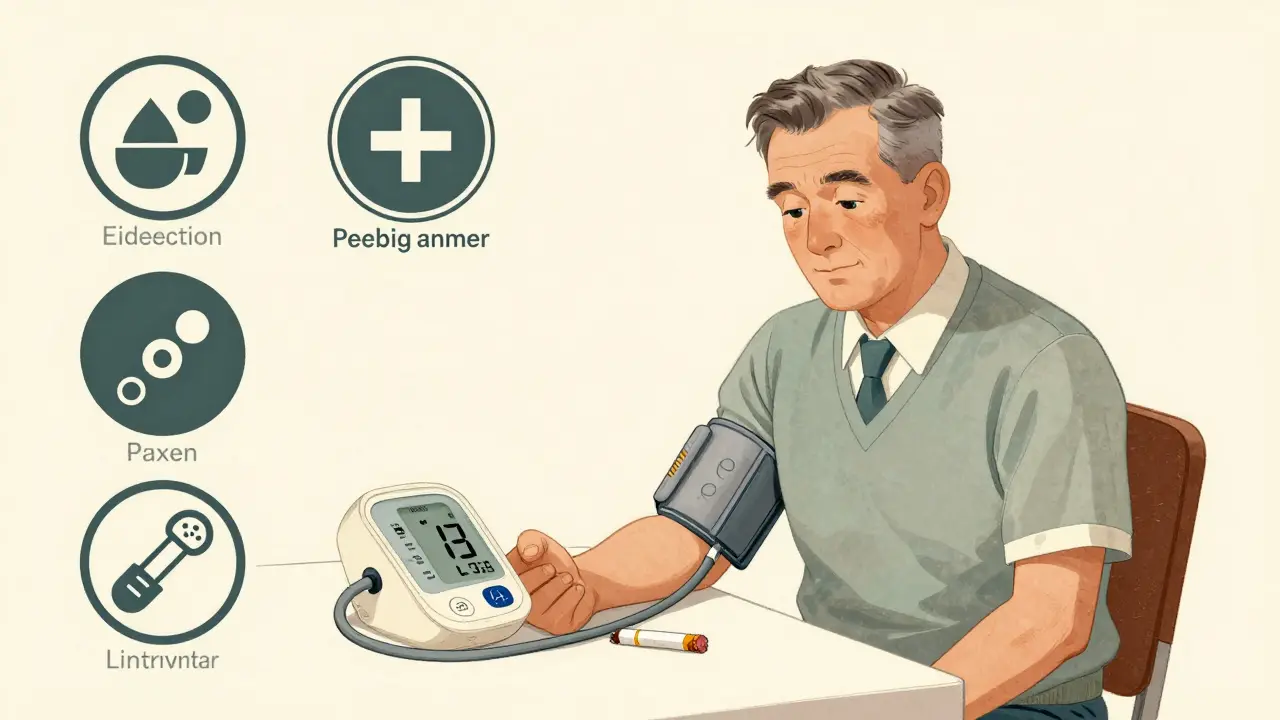
RVO isn't random-it links to specific health conditions and lifestyle factors. Here's what increases your risk:
- Age: Over 90% of CRVO cases happen in people over 55. Half of all RVO cases occur in those over 65. But it can strike younger adults too-about 5-10% of cases are in people under 45.
- Hypertension: High blood pressure is the most common risk factor. Up to 73% of CRVO patients over 50 have hypertension. Uncontrolled hypertension is a major cause of BRVO.
- Diabetes: Affects about 10% of RVO patients over 50. Poorly managed diabetes damages blood vessels in the retina.
- Smoking: Present in 25-30% of cases. Smoking speeds up artery hardening, which blocks veins.
- High cholesterol: Total cholesterol above 6.5 mmol/l is found in 35% of RVO patients regardless of age.
- Glaucoma: High eye pressure increases risk, especially where veins meet the optic nerve.
- Oral contraceptives: For younger women under 45, this is a common association with CRVO.
These factors often combine. For example, someone with hypertension and diabetes has a much higher chance of developing RVO than someone with just one condition.
How Injections Treat RVO Complications
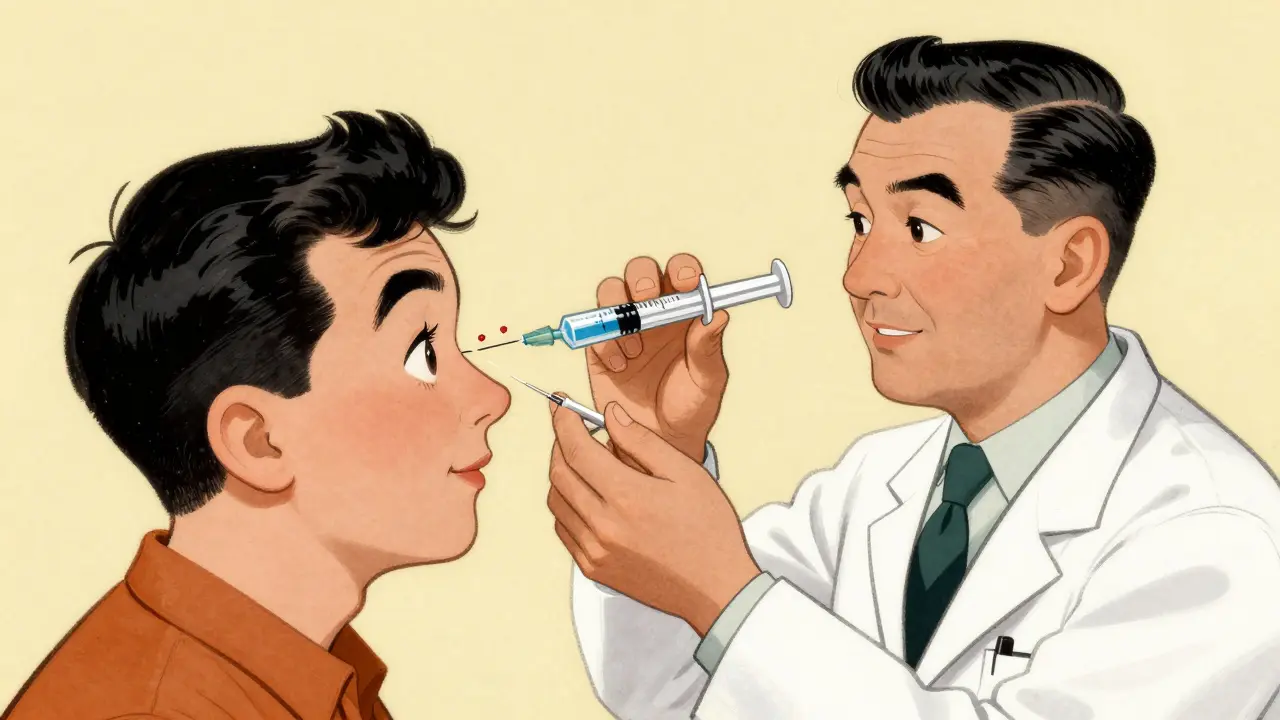
While RVO itself can't be reversed, injections target the resulting complications like macular edema. The main treatments are anti-VEGF injections and corticosteroid implants.
Anti-VEGF injections like Lucentis (ranibizumab), Eylea (aflibercept), and Avastin (bevacizumab) block vascular endothelial growth factor. This protein causes fluid leakage and abnormal blood vessel growth. Clinical trials show these injections significantly improve vision. For example, the BRAVO trial found ranibizumab improved vision by 16.6 letters on average after 12 months compared to 7.4 letters in the sham group.
Corticosteroid implants like Ozurdex (dexamethasone) reduce inflammation. The GENEVA study showed 27.7% of CRVO patients gained at least 15 letters of vision with Ozurdex versus 12.9% in the control group.
Current guidelines recommend anti-VEGF as first-line treatment for center-involved macular edema from RVO. Doctors typically start with monthly injections until swelling reduces, then switch to as-needed dosing. Real-world data shows patients need 8-12 injections yearly for best results.
Real Patient Experiences with Treatment
Treatment isn't one-size-fits-all. Patient experiences vary widely:
- A 62-year-old man on the American Macular Degeneration Foundation forum shared: "After starting monthly Lucentis injections for CRVO, my vision improved from 20/200 to 20/60 by month 4. But the $150 copay per shot strained my fixed income."
- "I tried 8 Avastin injections with little improvement, but the Ozurdex implant at month 7 gave me 10 lines of vision gain-worth the $2,500 out-of-pocket cost," wrote "GlaucomaSurvivor" on the same forum.
- Reddit user u/OldEyesNewProblems described anxiety: "The fear before each injection is worse than the procedure itself. My doctor's office does 50 injections daily, so I know it's routine, but my heart still races."
- "After 18 months of monthly shots, I developed injection anxiety so severe I now miss appointments," shared "MaculaMama" on VisionAware, despite ongoing vision improvement.
A 2022 ASRS survey of 1,247 RVO patients found 78% reported significant vision improvement after 12 months of anti-VEGF therapy. However, 63% cited financial burden and 41% reported treatment fatigue as major concerns.
What's Next in RVO Treatment?
Research is pushing treatment boundaries:
- Treat-and-extend protocols: The 2023 COMINO study showed this approach achieves similar results to monthly shots with 30% fewer injections.
- New delivery systems: The Port Delivery System with ranibizumab (Susvimo), approved for AMD in 2021, is now in Phase III trials for RVO. It could reduce injections from monthly to quarterly.
- Gene therapy: RGX-314, currently in Phase II trials, aims for sustained anti-VEGF expression through a single injection.
- Combination therapies: Experts like Dr. Pravin U. Dugel note that combining anti-VEGF with steroids may help certain subgroups, especially those with persistent edema after six months of monotherapy.
Dr. Charles Wykoff of Retina Consultants of Houston says: "We're moving from a one-size-fits-all monthly injection model to precision medicine approaches that will significantly reduce treatment burden while maintaining efficacy-this represents the next frontier in RVO management."
What causes retinal vein occlusion?
RVO happens when a retinal vein gets blocked, usually due to hardened arteries pressing on the vein (for BRVO) or blood clots forming in the vein (for CRVO). Common underlying causes include hypertension, diabetes, high cholesterol, and blood clotting disorders. The blockage leads to fluid leakage and swelling in the retina, causing vision problems.
Can RVO be cured?
No, there's no cure for RVO itself. However, treatments like anti-VEGF injections and corticosteroids effectively manage complications like macular edema. Early intervention can prevent permanent vision loss, but ongoing treatment is usually needed to maintain vision. Some patients experience significant improvement, while others may have lasting vision changes despite treatment.
How often do I need injections?
Initially, most patients receive monthly injections until macular edema resolves. After that, treatment switches to an "as-needed" schedule based on OCT scans. Real-world data shows patients typically need 8-12 injections per year. Newer protocols like treat-and-extend can reduce this to about 6-8 injections annually for some patients.
Are there side effects from injections?
Common side effects include temporary floaters, redness, or minor bleeding under the eye's surface (subconjunctival hemorrhage). Serious complications like eye infections (endophthalmitis) are rare-about 0.02-0.1% of injections. Steroid implants may cause cataracts or increased eye pressure, requiring additional treatment. Anti-VEGF injections have a better safety profile overall.
Why is early detection important?
RVO often has no early symptoms. Waiting until vision loss occurs means the retina may already be damaged. Regular eye exams-especially if you have hypertension, diabetes, or glaucoma-can catch RVO before it causes permanent vision problems. Early treatment with injections has a much higher success rate in preserving vision compared to delayed care.
jan civil
February 6, 2026 AT 11:47Smoking increases RVO risk by 25-30%. Quitting helps.
Elliot Alejo
February 6, 2026 AT 15:46Anti-VEGF injections are first-line treatment for macular edema from RVO. Clinical trials show significant vision improvement.
anjar maike
February 7, 2026 AT 11:41RVO is serious but manageable 🌟 check BP regularly 😊
Bella Cullen
February 8, 2026 AT 17:57The cost is a real issue. $150 per shot adds up fast for fixed income patients.
Arjun Paul
February 9, 2026 AT 22:16Diabetes control is key. Poor management leads to higher RVO risk.
Samantha Beye
February 10, 2026 AT 16:20Early detection through regular exams can prevent severe vision loss. Don't wait for symptoms.
Rene Krikhaar
February 12, 2026 AT 08:12Regular eye checkups are crucial especially if you have hypertension or diabetes. Catching RVO early makes treatment more effective.
one hamzah
February 14, 2026 AT 05:00Hypertension is top risk factor. Control it to lower RVO chances. 🤯
Matthew Morales
February 14, 2026 AT 11:51Yes, managing diabetes is vital. Also, quiting smoking helps reduce risk.
Diana Phe
February 15, 2026 AT 18:19Big Pharma is pushing expensive treatments. Cheaper alternatives exist but they're suppressed.
Andre Shaw
February 15, 2026 AT 23:15Anti-VEGF isn't the only option. Steroids can work better for some patients. The guidelines are too rigid.