Category: Medical Topics - Page 2
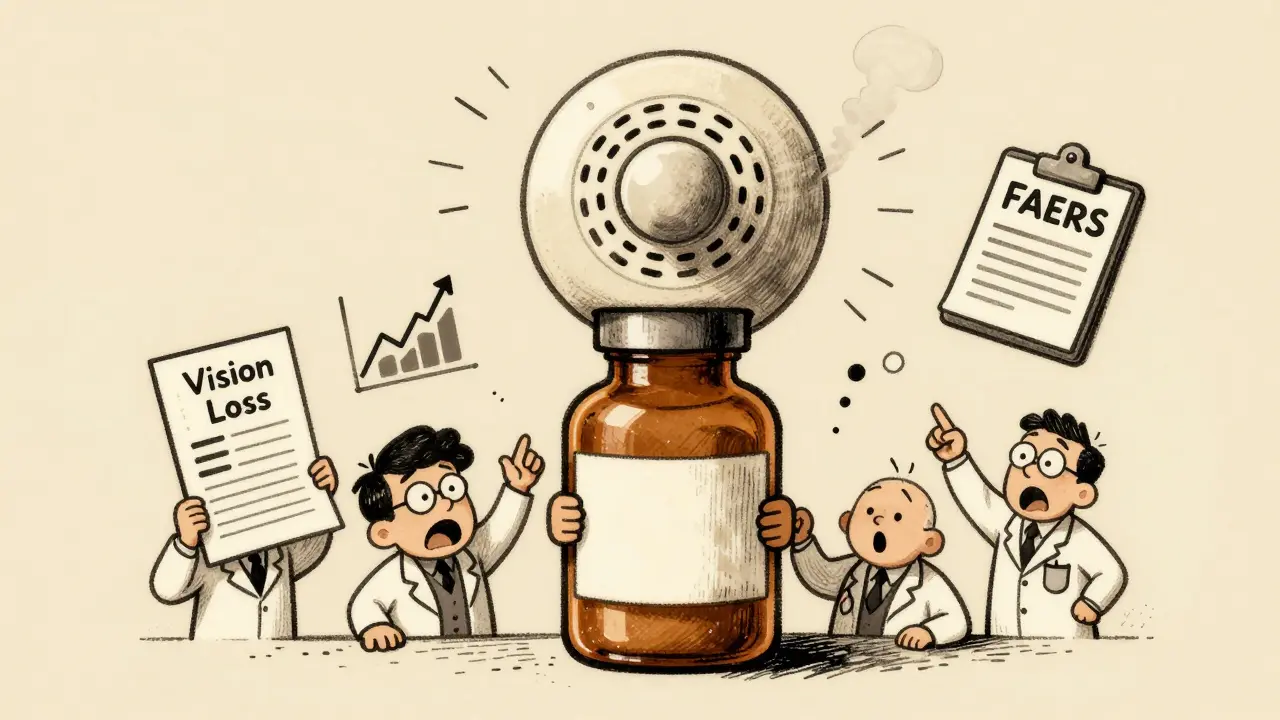
How Drug Safety Signals Emerge from Clinical Trials and Real-World Data
- 8 Comments
- Feb, 26 2026
Drug safety signals often emerge after a medication is widely used, revealing risks missed in clinical trials. Learn how real-world data, statistical analysis, and regulatory systems work together to detect and respond to hidden dangers.
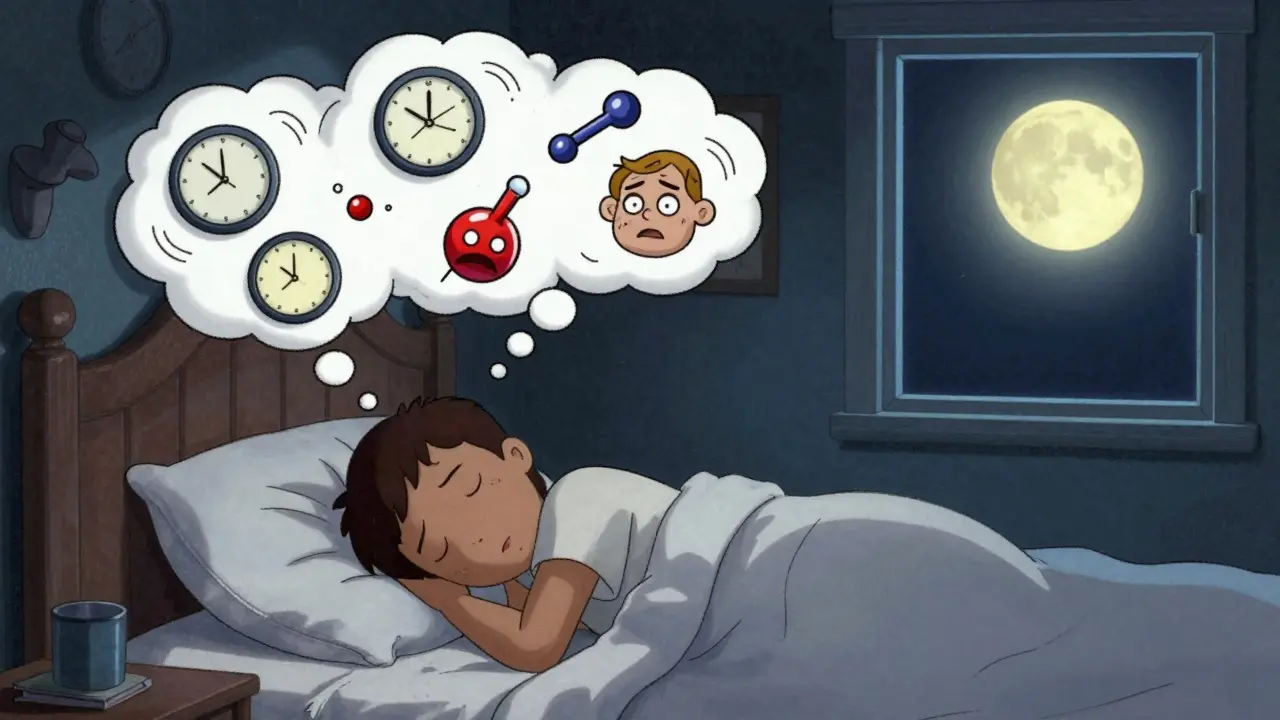
Sleep and Mental Health: How Treating Insomnia Helps with Depression and Anxiety
- 13 Comments
- Feb, 25 2026
Treating insomnia with CBT-I is one of the most effective ways to reduce depression and anxiety symptoms. Unlike medications, it targets the root cause of sleep problems and prevents relapse. Learn how this proven therapy works and how to access it.
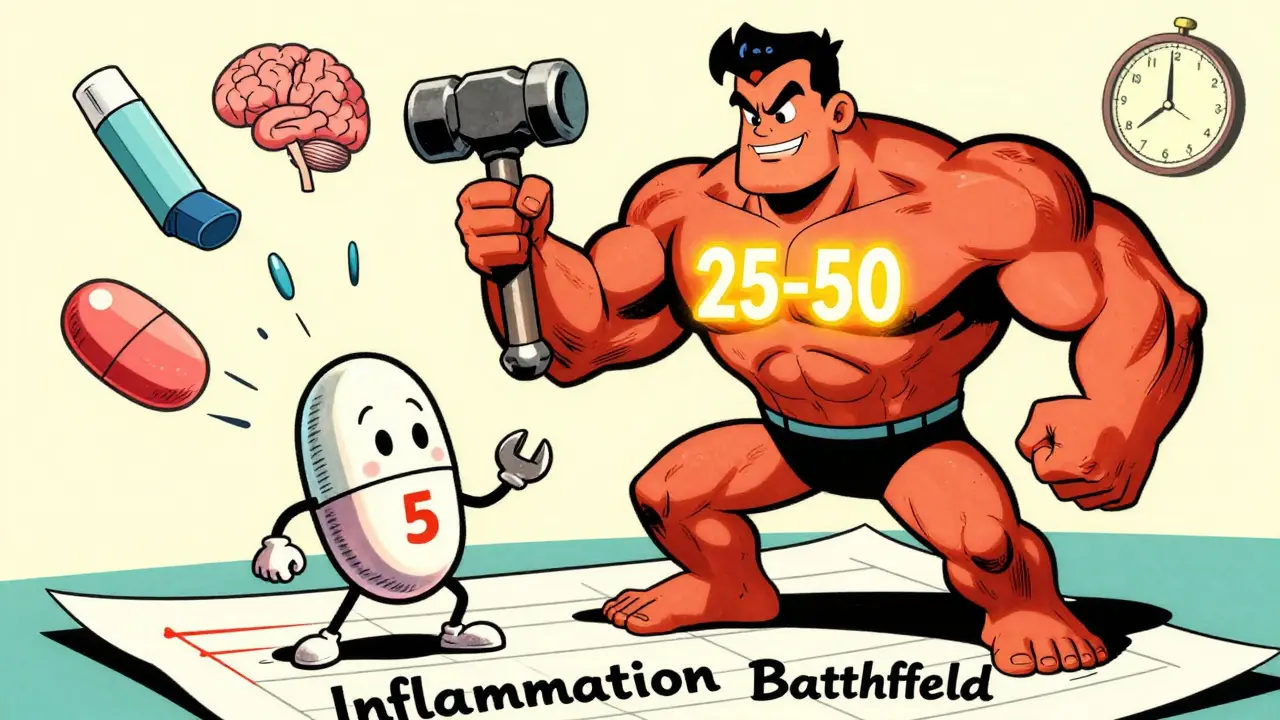
Dexamethasone vs Prednisone: Which Steroid Is Stronger and Safer?
- 9 Comments
- Feb, 22 2026
Dexamethasone and prednisone are both powerful steroids, but dexamethasone is 9-10 times stronger and lasts longer. Learn when each is best, how side effects differ, and why doctors choose one over the other.
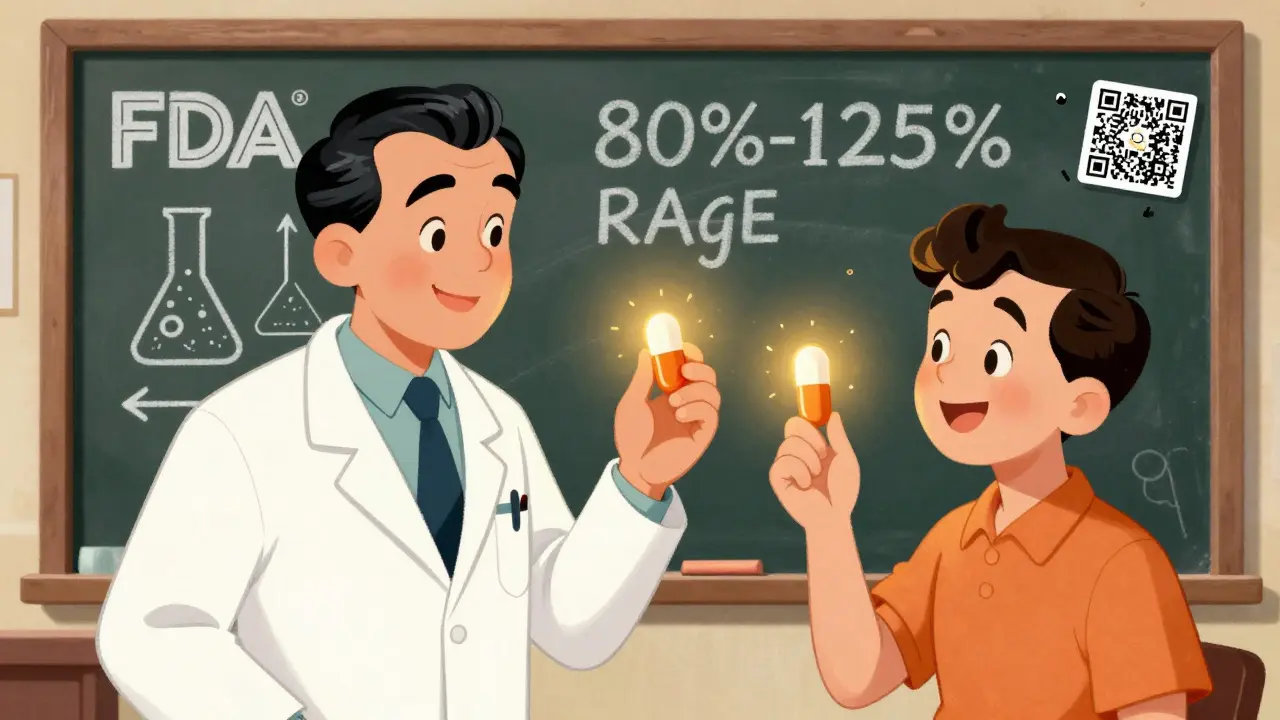
Prescriber Education Resources: Guides for Doctors on Generics
- 9 Comments
- Feb, 18 2026
Doctors prescribe generics for 90% of U.S. prescriptions, yet many still have doubts. Learn how FDA guides, real data, and practical tools help clinicians confidently recommend generics and improve patient outcomes.
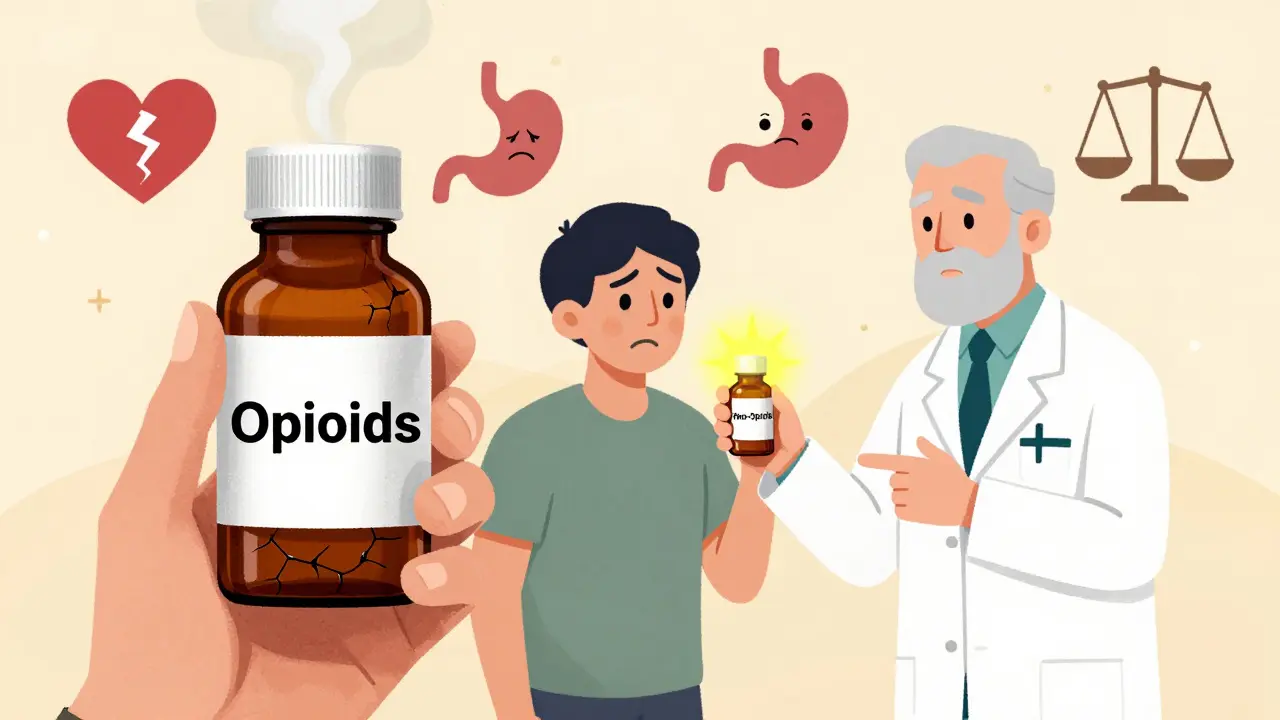
Pain Medications: Opioids vs. Non-Opioids - What’s Really Safer?
- 10 Comments
- Feb, 15 2026
Opioids aren't more effective than non-opioid pain meds - but they come with far greater risks. Learn why guidelines now recommend non-opioid options first for chronic and acute pain.
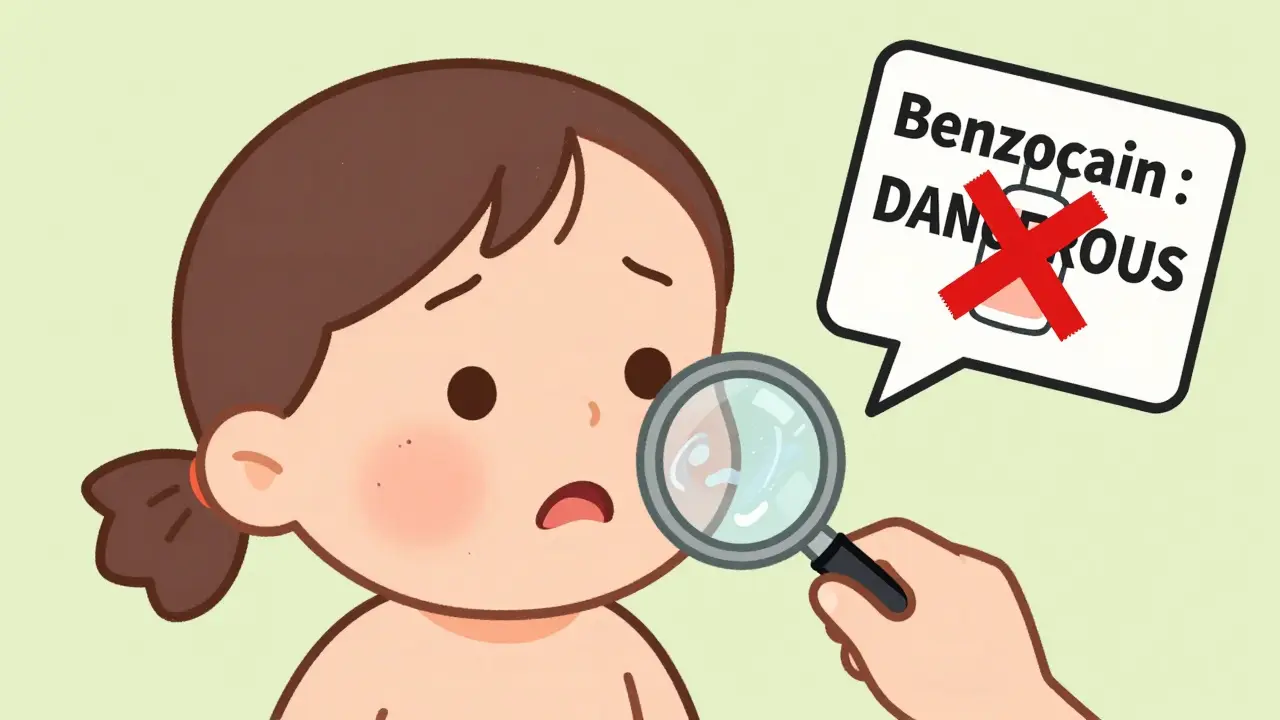
Safe Use of Topical Medications and Creams in Children: A Practical Guide for Parents
- 11 Comments
- Feb, 11 2026
Topical medications for children can be dangerous if misused. Learn which ingredients to avoid, how much to apply, and safer alternatives for rashes, eczema, and teething pain in infants and toddlers.
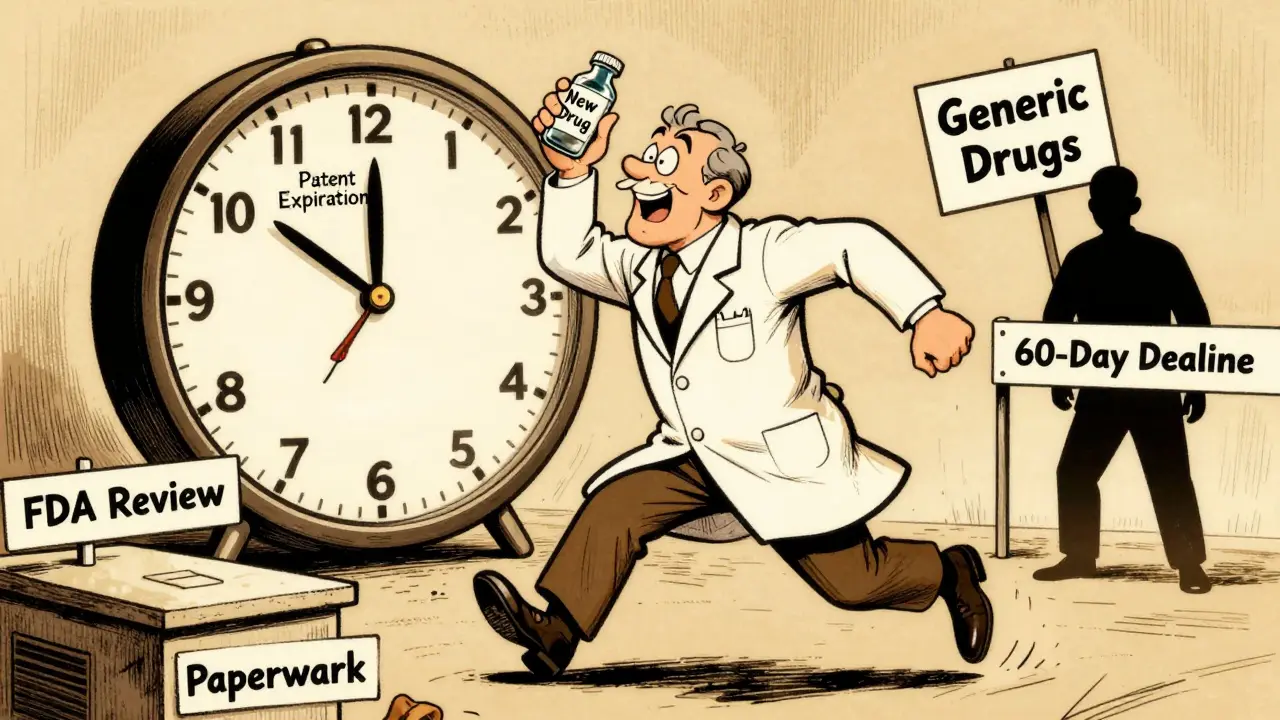
Patent Term Restoration (PTE): How It Extends Drug Patent Life
- 15 Comments
- Feb, 8 2026
Patent Term Restoration (PTE) lets drug makers recover time lost during FDA approval, extending market exclusivity up to five years. Learn how it works, who qualifies, and why it's controversial.
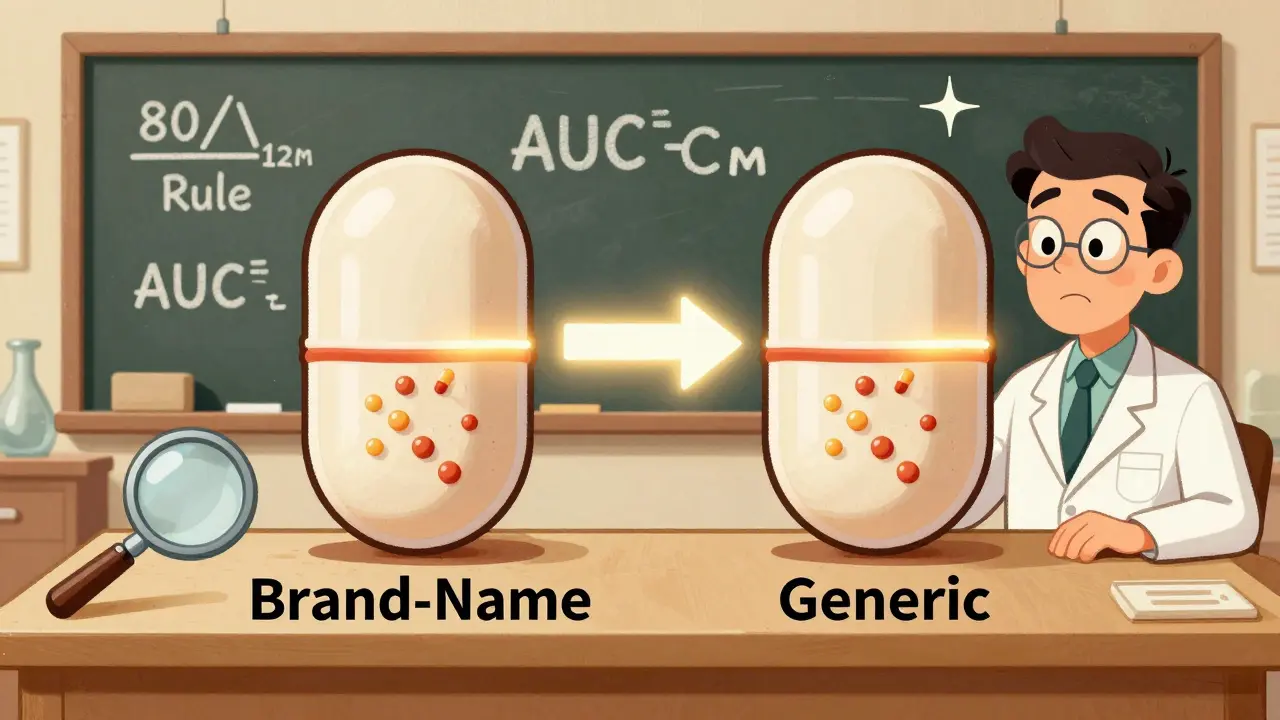
Bioequivalence Studies: What the FDA Requires Manufacturers to Prove
- 14 Comments
- Feb, 7 2026
The FDA requires generic drug manufacturers to prove bioequivalence through rigorous pharmacokinetic studies, ensuring their products match the brand-name drug in absorption and effectiveness. This process is critical for patient safety and drug affordability.
FDA's New Patient Medication Information Rules: What You Need to Know
- 10 Comments
- Feb, 6 2026
The FDA's proposed Patient Medication Information rule aims to standardize prescription drug labels for all outpatient medications. This change could reduce medication errors that cause over a million injuries yearly. Learn how the new system works and what it means for patients and pharmacies.

Retinal Vein Occlusion: Understanding Risk Factors and Treatment Injections
- 11 Comments
- Feb, 4 2026
Retinal vein occlusion (RVO) causes sudden vision loss due to blocked retinal veins. This article explains common risk factors like hypertension and diabetes, how anti-VEGF injections treat macular edema, and real-world treatment challenges. Learn why early detection matters and what to expect from modern therapies.