Gene Therapy Drug Interaction Checker
Check for Drug Interactions
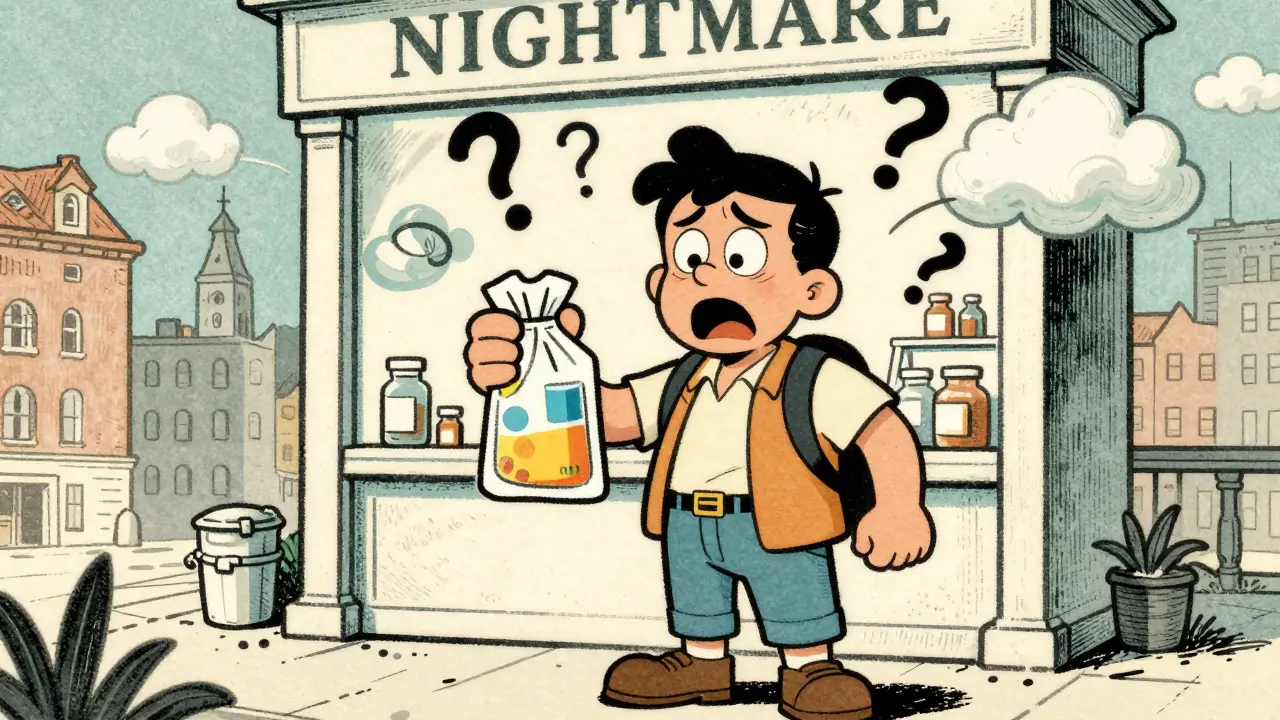
Gene therapy promises to fix diseases at their root-by rewriting faulty genes inside your cells. But behind the hype lies a hidden danger: how these treatments interact with everyday medications. Unlike pills or injections, gene therapies don’t just wear off. They can change your biology permanently. And that changes everything about how drugs work in your body.
Why Gene Therapy Isn’t Like Taking a Pill
Most drugs are temporary. You take a statin, it lowers cholesterol for a few hours, then your liver breaks it down. You stop taking it, and the effect fades. Gene therapy is different. It’s designed to stick around. Some therapies use viruses-modified to carry healthy genes-to slip genetic instructions into your cells. Once inside, those instructions start making proteins that your body was missing. And they keep making them. For years. Maybe for life. This permanence sounds like a miracle. But it also means side effects don’t show up the next day. They might show up five years later. Or ten. And they can be triggered by something as simple as a common antibiotic or painkiller you took without thinking.The Immune System Gets Confused
The biggest problem? Your immune system doesn’t know these viruses are supposed to help you. It sees them as invaders. Even if they’ve been stripped of their ability to cause disease, your body still reacts. Inflammation spikes. Cytokines flood your bloodstream. And that changes how your liver processes drugs. The liver uses enzymes called cytochrome P450 to break down more than 70% of all prescription medications. When gene therapy triggers an immune response, those enzymes can speed up, slow down, or even shut off temporarily. That means a blood thinner you’ve taken for years could suddenly become too strong-or too weak. A depression medication might stop working. A chemotherapy drug could become toxic. This isn’t theoretical. In early trials, patients receiving adenovirus-based gene therapy for liver disease had sudden drops in liver enzyme function. Some were also on antivirals or anti-inflammatories. The interactions weren’t predicted. No one had tested them together before.When the Therapy Itself Causes Cancer
One of the darkest chapters in gene therapy history happened in the early 2000s. Children with SCID-X1, a rare immune disorder, were treated with retroviral vectors. The therapy worked-kids who couldn’t fight infections began living normal lives. But then, five of them developed leukemia. The cause? The therapeutic gene accidentally inserted itself next to a gene called LMO2, which controls cell growth. That insertion turned the gene on permanently. Cells multiplied uncontrollably. One child died. This wasn’t just a bad luck accident. It was a flaw in the vector design. Retroviral vectors have a habit of inserting themselves near active genes. Newer systems, like AAVs, are safer-but they’re not perfect. And even if they don’t cause cancer directly, the long-term presence of foreign DNA in your genome could interact with other mutations over time. That’s why regulators now require 15 years of follow-up for certain gene therapies.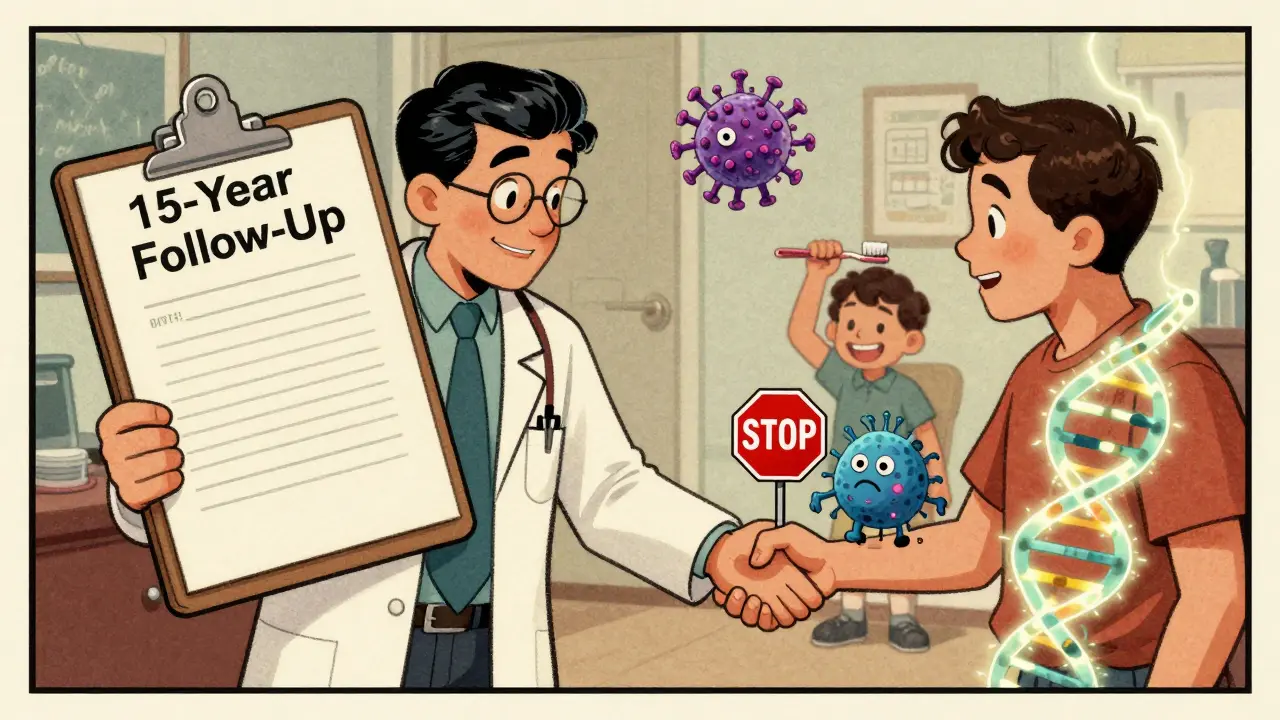
Off-Target Effects and Hidden Drug Interactions
Gene therapies are meant to target specific tissues-like the liver, retina, or muscle. But they don’t always stay there. Viral vectors can drift. A therapy meant for the eye might end up in the brain. One meant for the heart might reach the kidneys. What happens if it lands in the liver? That’s where most drugs are metabolized. If the therapy alters liver cells, even slightly, it could change how your body handles medications. A patient on warfarin might suddenly need half the dose. Someone taking antidepressants might overdose on a standard prescription. And it’s not just the liver. If gene therapy modifies immune cells, those cells could start producing proteins that bind to drugs, changing how they circulate. Or if modified cells migrate to the gut, they might interfere with drug absorption. These aren’t side effects you can predict from a lab test. They show up only in real patients, over time.Transmission Risks: Therapy Spreading to Others
Here’s something most people don’t realize: gene therapy can sometimes spread to other people. Some viral vectors are shed in saliva, urine, or semen. In clinical trials, researchers have detected gene therapy material in the feces of treated patients for weeks after injection. That means a caregiver changing a diaper, a partner during intimacy, or even a child sharing a toothbrush could be exposed to the therapy-without knowing it. No one asked for consent. No one was monitored. And if that person has a weakened immune system, or is taking immunosuppressants, the consequences could be severe. Imagine a transplant patient getting a gene therapy vector from their spouse. Their body might reject it. Or worse-it might react violently. Regulators now require companies to prove their vectors won’t transmit. But testing this is hard. Real-world exposure is messy. And we still don’t know what happens when someone without a genetic disease gets a therapeutic gene.AAV Therapies: The New Frontier With Hidden Risks
Today, most gene therapies use adeno-associated viruses, or AAVs. They’re smaller, less inflammatory, and don’t integrate into DNA as often. That’s why they’re popular. But they’re not risk-free. There are over 100 types of AAVs. Each one targets different tissues. Some prefer the liver. Others go to the brain or muscles. And each one triggers a different immune response. If you’ve been exposed to a natural AAV before-through a cold or infection-you might already have antibodies. That means your body will destroy the therapy before it works. Worse, if you’re on a drug that suppresses your immune system-like steroids or biologics for autoimmune disease-it could let the AAV slip through. That might sound good. But it could also let the virus spread further than intended. Or trigger a delayed reaction months later. And we don’t have good data on how AAVs interact with common drugs. No large studies exist. No guidelines tell doctors what to avoid. Patients are flying blind.
Why We’re Still Guessing
The biggest problem? We don’t have a system to track these interactions. Drug companies test gene therapies in small groups. Usually, they exclude patients on other medications. That means we have no idea how a gene therapy works with blood pressure pills, diabetes drugs, or even over-the-counter supplements like St. John’s Wort. We also don’t account for genetic differences. Two people with the same disease might respond completely differently to the same therapy-because of their DNA. One might metabolize drugs slowly. The other might clear them fast. That changes everything. Right now, we’re relying on case reports. One patient had a stroke after gene therapy and started taking aspirin. Another developed pancreatitis after combining therapy with a cholesterol drug. These are red flags. But they’re isolated. We need a national database. We need mandatory reporting. We need long-term tracking.What Patients Need to Know
If you’re considering gene therapy-or already had it-here’s what you must do:- Keep a full list of every medication, supplement, and herb you take. Include dosages and start dates.
- Tell every doctor you see-even your dentist-that you’ve had gene therapy. Don’t assume they know what it means.
- Don’t start or stop any drug without consulting your gene therapy team.
- Ask: "Could this affect how the therapy works? Could the therapy affect how this drug works?"
- Sign up for long-term follow-up programs. Even if they seem boring. Even if you feel fine.
The Future: Building a Safety Net
The science is moving faster than the safety rules. But change is coming. Researchers are building predictive models that look at a patient’s genetics, immune profile, and current meds to forecast interaction risks. Some labs are testing AAVs alongside hundreds of common drugs in organoids-miniature human tissues grown in labs. Others are tracking patients for 20 years, recording every drug they take, every lab result, every hospital visit. It’s expensive. It’s slow. But it’s necessary. Gene therapy isn’t the future. It’s here. And with it comes a new kind of responsibility-not just for scientists and regulators, but for patients and doctors too. We can’t treat it like just another drug. It’s a permanent change to your biology. And that means every pill you take from now on could have consequences you never expected.Can gene therapy interact with over-the-counter drugs like ibuprofen or vitamin supplements?
Yes. Even common painkillers like ibuprofen or supplements like fish oil can interact with gene therapy. The immune response triggered by the therapy can alter how your liver processes these substances. Some may become more potent, increasing bleeding risk. Others may be broken down too quickly, losing their effect. Always check with your treatment team before taking anything new.
How long should I avoid other medications after gene therapy?
There’s no universal timeline. For some therapies, doctors recommend avoiding non-essential drugs for at least 30 days to let the immune system settle. But because gene therapy effects can last years-or be permanent-drug interactions can emerge at any time. Long-term monitoring is required, especially for therapies using integrating vectors. Never assume it’s safe to restart a medication just because a few months have passed.
Why do I need 15 years of follow-up after gene therapy?
Some gene therapies can cause delayed side effects that don’t appear for years. The most serious include cancer from unintended gene insertion, chronic inflammation, or immune reactions that build slowly. The FDA requires 15-year monitoring for therapies using vectors that integrate into DNA or can remain dormant. This isn’t just precaution-it’s based on past tragedies where patients developed leukemia five to seven years after treatment.
Can my family members be affected if I get gene therapy?
Yes. Some viral vectors can be shed in bodily fluids like saliva, urine, or semen. While rare, there have been cases where household members tested positive for gene therapy material after close contact. This raises ethical and safety concerns-especially for pregnant women, children, or people with weakened immune systems. Always follow your care team’s instructions on hygiene and contact precautions.
Are there any drugs I should never take with gene therapy?
There’s no official list yet, because research is still emerging. But drugs that suppress the immune system-like corticosteroids, tacrolimus, or biologics-can interfere with the therapy’s effectiveness or increase the risk of uncontrolled spread. Chemotherapy, antivirals, and certain antibiotics may also interact unpredictably. Always disclose all medications to your gene therapy provider before starting treatment.


Chris Urdilas
January 27, 2026 AT 06:19So let me get this straight-we’re putting permanent genetic code into people and then acting like it’s just another prescription? 🤦♂️ I took ibuprofen yesterday and now I’m scared I’m gonna turn into a human lab rat. Someone get me a T-shirt that says ‘I survived gene therapy and all I got was this lousy anxiety.’
Linda O'neil
January 29, 2026 AT 02:05This is why we need mandatory registries. I work in clinical genetics and I’ve seen patients get hit with unexpected drug interactions months after therapy. One guy on warfarin got a liver-targeted AAV, stopped taking his blood thinner ‘because he felt fine,’ and ended up in the ER with a pulmonary embolism. No one told him the therapy changed his CYP enzyme activity. We’re flying blind because no one’s tracking this systematically.
Doctors need to treat gene therapy like a transplant-not a pill. Every med, every supplement, every OTC drug needs to be logged. And patients? You can’t just ‘forget’ to mention it at your annual checkup. This isn’t optional. It’s life-or-death.
Also, if your therapist is using steroids? That’s a red flag. Immunosuppression might help the vector take hold, but it also increases risk of off-target spread. We’ve got case reports of patients developing autoimmunity a year later because the vector drifted and triggered chronic inflammation. We’re not talking about rare edge cases anymore. This is systemic.
And don’t get me started on the shedding. I had a mom come in last month because her toddler got sick after sharing a toothbrush with his sibling who had gene therapy. The kid had a low-grade fever for three weeks. No one warned them. No one even asked if the sibling had been exposed. We’re not ready for this.
Regulators are behind. Pharma companies are rushing. And patients? They’re being sold a miracle without the fine print. We need a national database. We need standardized interaction screening. We need mandatory 15-year follow-ups enforced-not just ‘recommended.’
And if you’re thinking, ‘I’m fine, I don’t need to report anything’-you’re wrong. Your silence could kill someone else down the line.
Jess Bevis
January 30, 2026 AT 01:01Gene therapy = permanent. Pills = temporary. Don’t mix.
Jeffrey Carroll
January 30, 2026 AT 14:21The complexity of gene therapy’s interaction profile underscores a critical gap in pharmacovigilance infrastructure. While the therapeutic potential is undeniably transformative, the absence of standardized, longitudinal monitoring protocols for concurrent medication use represents a significant clinical vulnerability. It is imperative that healthcare institutions implement multidisciplinary review boards to evaluate polypharmacy risks in gene therapy recipients, particularly given the irreversible nature of genomic modification.
Furthermore, the current exclusion of patients on concomitant medications from clinical trials creates a profound evidence deficit. Future research must prioritize real-world evidence collection through structured registries that capture not only therapeutic outcomes but also pharmacokinetic and immunological shifts over time. Without this, we risk repeating historical tragedies under the guise of innovation.
Rose Palmer
January 31, 2026 AT 16:10As a patient advocate with over a decade in bioethics, I must emphasize: this is not speculative. The data is already here. The FDA’s 15-year follow-up requirement exists for a reason-because we have seen children die from insertional mutagenesis. We have seen adults develop unexplained liver failure after taking NSAIDs post-therapy. We have seen caregivers unknowingly exposed to viral vectors through intimate contact.
This is not science fiction. This is clinical reality. And yet, patients are still being discharged with a brochure and a smile. That is unacceptable.
Every clinician treating gene therapy patients must be trained in pharmacogenomic interactions. Every pharmacy must flag these patients in their systems. Every electronic health record must include mandatory fields for gene therapy history and concurrent medications.
And patients? You are not being paranoid. You are being responsible. Document everything. Tell every provider. Even your dentist. Even your acupuncturist. This is not a suggestion. It is your right to safety-and your duty to protect others.
Howard Esakov
February 2, 2026 AT 08:59Look, if you’re dumb enough to let a virus rewrite your DNA, you deserve whatever happens next. 😏 I mean, come on-people are getting ‘cured’ of blindness and then popping Advil like candy. You think your liver gives a damn about your ‘quality of life’? It’s busy trying not to turn into a cancer factory. You want to live forever? Fine. But stop acting like you’re entitled to ibuprofen like it’s a human right. You’re a walking biohazard now. Act like it.
Lexi Karuzis
February 3, 2026 AT 09:05THIS IS A GOVERNMENT EXPERIMENT!!! They’ve been using AAVs to alter DNA since the 90s-remember the flu vaccine trials? They’re testing gene therapy on unsuspecting people to see how drugs interact with modified cells-so they can control the population’s response to pharmaceuticals!!! The CDC knows this. The FDA is in on it. They don’t want you to know that your vitamin D supplement could trigger a latent vector to activate and rewrite your immune cells!!! I’ve read the leaked documents-there’s a secret database called ‘Project PermaGene’-they’re tracking everyone who’s had therapy to see if they become ‘compliant’ after taking certain meds!!!
And the shedding? That’s how they’re spreading it to unvaccinated people-through saliva, semen, even sweat!!! Your partner could be getting gene therapy without consent!!! And the 15-year follow-up? That’s not for safety-it’s to monitor if you become a ‘biological slave’ to Big Pharma!!!
STOP TAKING ANYTHING!!! NO DRUGS!!! NO SUPPLEMENTS!!! NO ASPIRIN!!! JUST WATER AND SALT!!!
Amber Daugs
February 4, 2026 AT 22:55Wow. Just… wow. You people are so careless. You think gene therapy is like getting a new phone? You just ‘update’ your body and keep scrolling? You have no idea what you’re doing. You’re not just risking your own life-you’re risking your kids’, your spouse’s, your neighbor’s. You think it’s okay to take ibuprofen after this? You’re not just being irresponsible-you’re selfish. You don’t even know what you’re exposing others to. And you call yourselves ‘patients’? You’re lab rats with smartphones. You don’t deserve to be treated. You deserve to be quarantined.
And don’t even get me started on the ‘I feel fine’ crowd. Fine? You’re fine until your liver explodes. You’re fine until your DNA starts rewriting itself because you took a supplement you found on Reddit. You’re fine until your child gets sick from your toothbrush. You’re fine until you’re dead-and then someone else has to clean up your mess.
Wake up. This isn’t science. It’s negligence dressed up as hope.
Robert Cardoso
February 5, 2026 AT 09:43Let’s deconstruct this. The core assumption here is that gene therapy is a binary intervention-either it works or it doesn’t. But biology is not binary. It’s a dynamic, adaptive system. The immune response to AAV isn’t a bug-it’s a feature of evolutionary defense mechanisms. The liver’s cytochrome P450 system didn’t evolve to handle synthetic viral vectors-it evolved to handle plant alkaloids and fungal toxins. So when you introduce a persistent, non-native genetic payload, you’re not just altering gene expression-you’re triggering a system-wide stress response that cascades across metabolic pathways.
What’s being ignored is the epigenetic layer. Even if the vector doesn’t integrate, the presence of foreign DNA can induce chromatin remodeling. That means gene expression changes in neighboring loci-some of which regulate drug transporters like P-glycoprotein. That’s why warfarin sensitivity shifts. That’s why antidepressants stop working. It’s not just enzyme inhibition-it’s transcriptional noise.
And the shedding? Of course it happens. Viruses don’t respect boundaries. The real question is: why are we still using non-engineered capsids? We’ve had modular AAV designs for years. We could engineer tissue-specific promoters that silence expression outside target organs. We could add suicide genes that trigger apoptosis after 18 months. But we don’t. Why? Because it’s cheaper to test on humans than to engineer safer vectors.
This isn’t a safety issue. It’s an ethical failure disguised as innovation.
James Dwyer
February 6, 2026 AT 06:50I got gene therapy last year for a rare metabolic disorder. I was scared too. But honestly? The biggest help has been talking to other patients. I keep a log of every pill, every supplement, every cold medicine. I told my dentist. I told my yoga instructor. I even told my barista when he asked why I was drinking so much water. (Turns out hydration helps with immune calm-down.)
It’s not scary if you’re prepared. You’re not alone. There are support groups. There are registries. There are doctors who actually listen. I’m alive because I asked questions. Don’t be afraid to be the annoying patient. You’re saving your own life.
Kevin Kennett
February 7, 2026 AT 05:53Look, I’m not a scientist. I’m just a guy who got a gene therapy shot last year. But I’ve read the damn article. And I’ve talked to my care team. And here’s the truth: this isn’t magic. It’s medicine. Hard, complicated, messy medicine. And if you treat it like it’s a one-time fix, you’re gonna get burned.
Don’t let anyone make you feel dumb for asking, ‘Is this safe?’ Even your doctor might not know. That’s why we need to talk to each other. Join the patient registry. Tell your story. Keep a list. Ask every new provider. Even the one who says, ‘Oh, that’s not relevant.’ It is. It’s always relevant.
And yeah, ibuprofen? Maybe skip it for a while. Maybe check with your team. Maybe take Tylenol instead. It’s not a big deal. It’s just being smart.
We’re not guinea pigs. We’re pioneers. And pioneers don’t just charge ahead-they look before they leap.
Chris Urdilas
February 8, 2026 AT 12:21Wait, so if I take Advil and my liver turns into a conspiracy theory, does that mean I owe the FDA an apology? 😂