Category: Medical Topics - Page 5

Nutrition During Chemotherapy: How to Manage Nausea and Maintain Weight
- 11 Comments
- Jan, 7 2026
Learn how to manage nausea and prevent weight loss during chemotherapy with science-backed nutrition tips. Discover what to eat, what to avoid, and how to get enough protein when your appetite is gone.
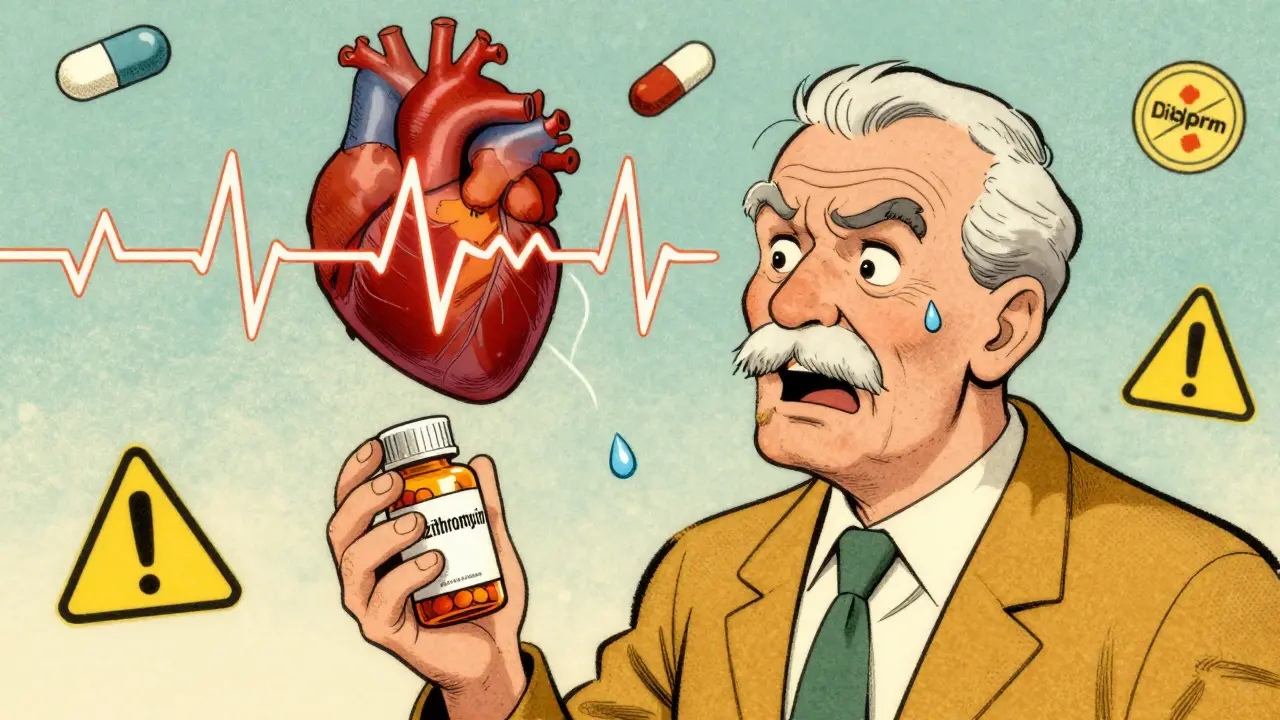
Heart Arrhythmias from Medications: Warning Signs and How to Manage Them
- 9 Comments
- Jan, 3 2026
Many common medications can trigger dangerous heart rhythm problems. Learn the warning signs, which drugs are most likely to cause arrhythmias, and how to prevent or manage them before it's too late.
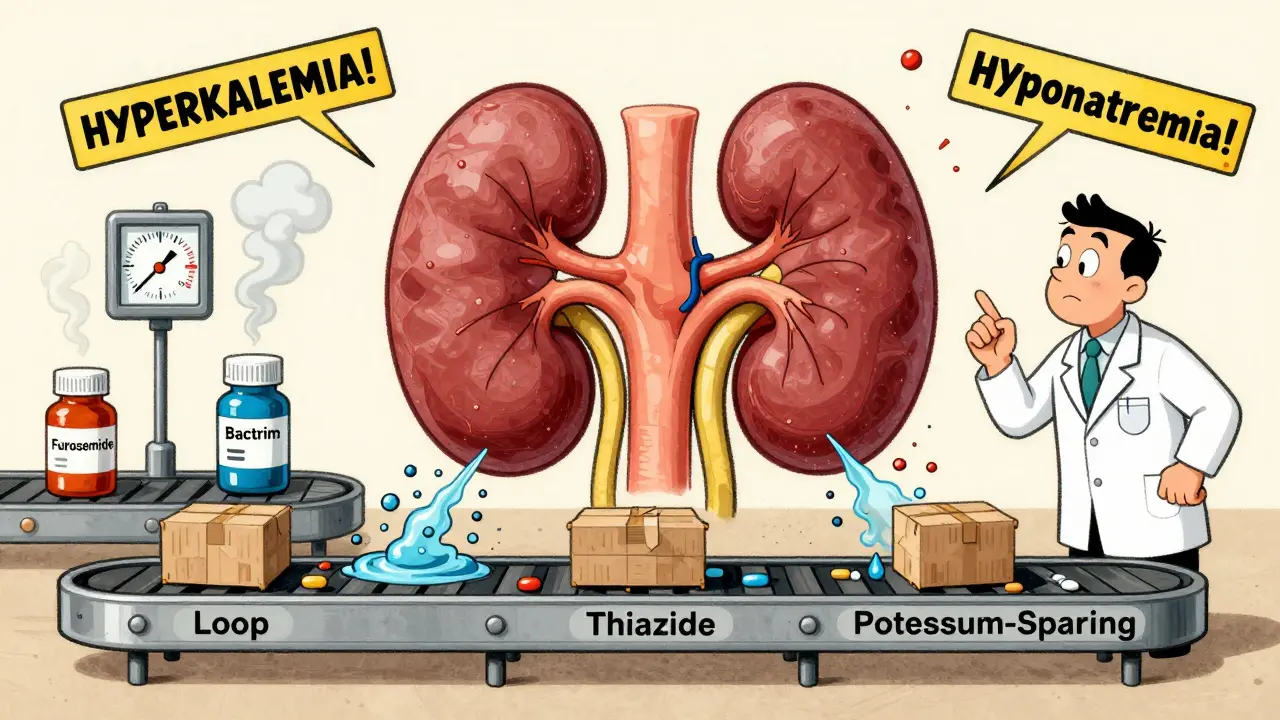
Diuretics: Understanding Electrolyte Changes and Dangerous Drug Interactions
- 15 Comments
- Jan, 1 2026
Diuretics help manage fluid overload and high blood pressure, but they can cause dangerous electrolyte shifts and harmful drug interactions. Learn how different types affect potassium, sodium, and kidney function-and what you need to watch for.
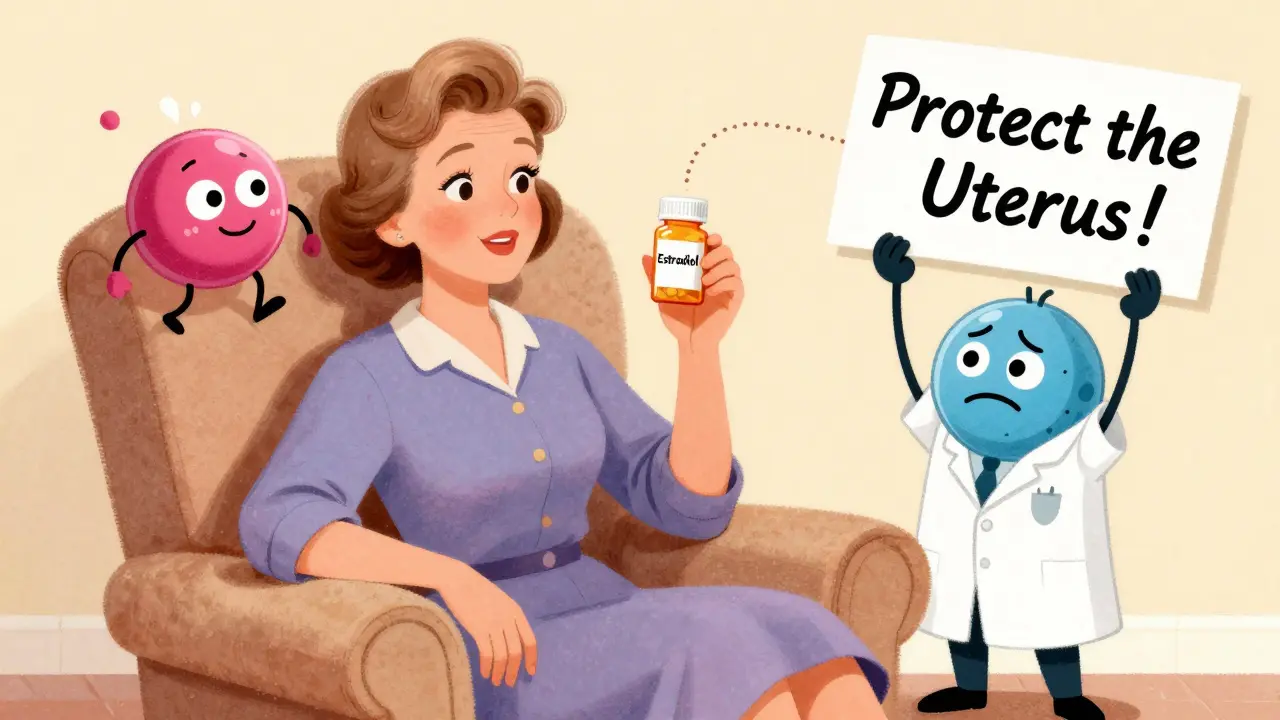
Hormone Therapy Combinations: Generic Choices and Considerations
- 13 Comments
- Dec, 30 2025
Hormone therapy combinations help manage menopause symptoms, but choosing the right one depends on your uterus status, age, and delivery method. Learn about generic options, risks, and safer alternatives like transdermal patches and micronized progesterone.
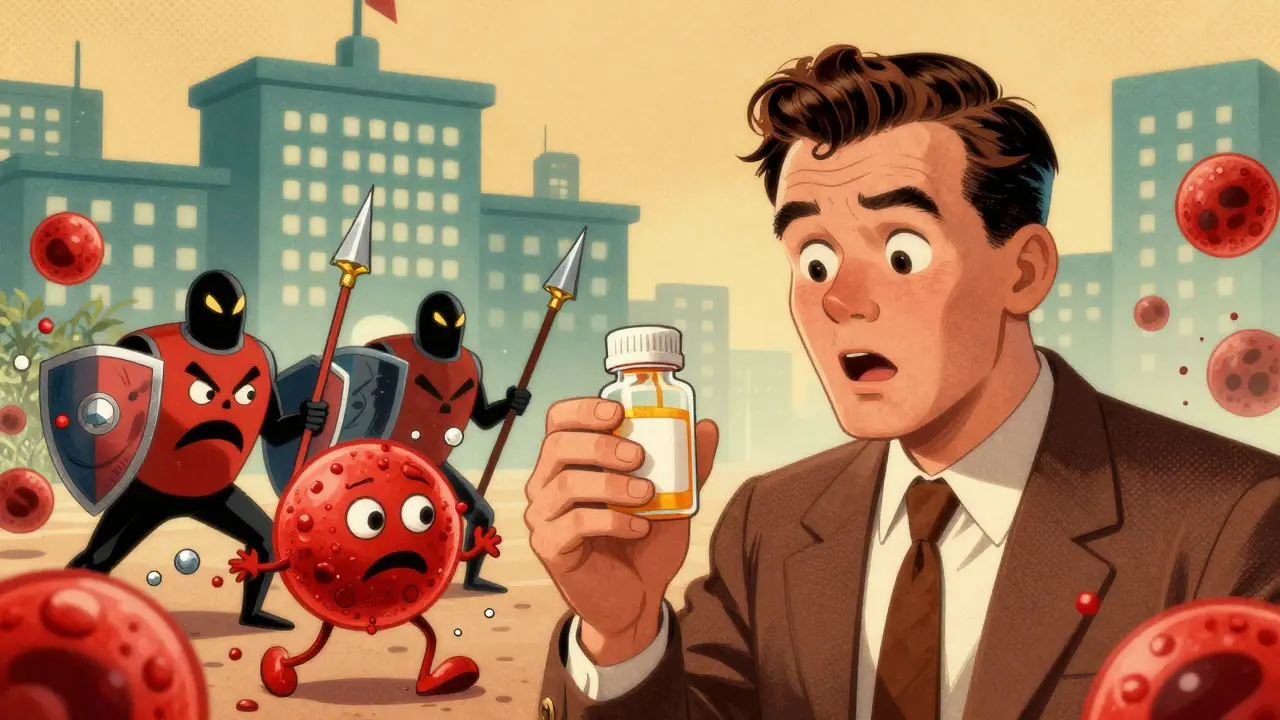
Hemolytic Anemia from Medications: Recognizing Red Blood Cell Destruction
- 13 Comments
- Dec, 29 2025
Drug-induced hemolytic anemia is a rare but serious reaction where medications trigger the immune system to destroy red blood cells. Learn the signs, top culprits, and what to do if you suspect this condition.
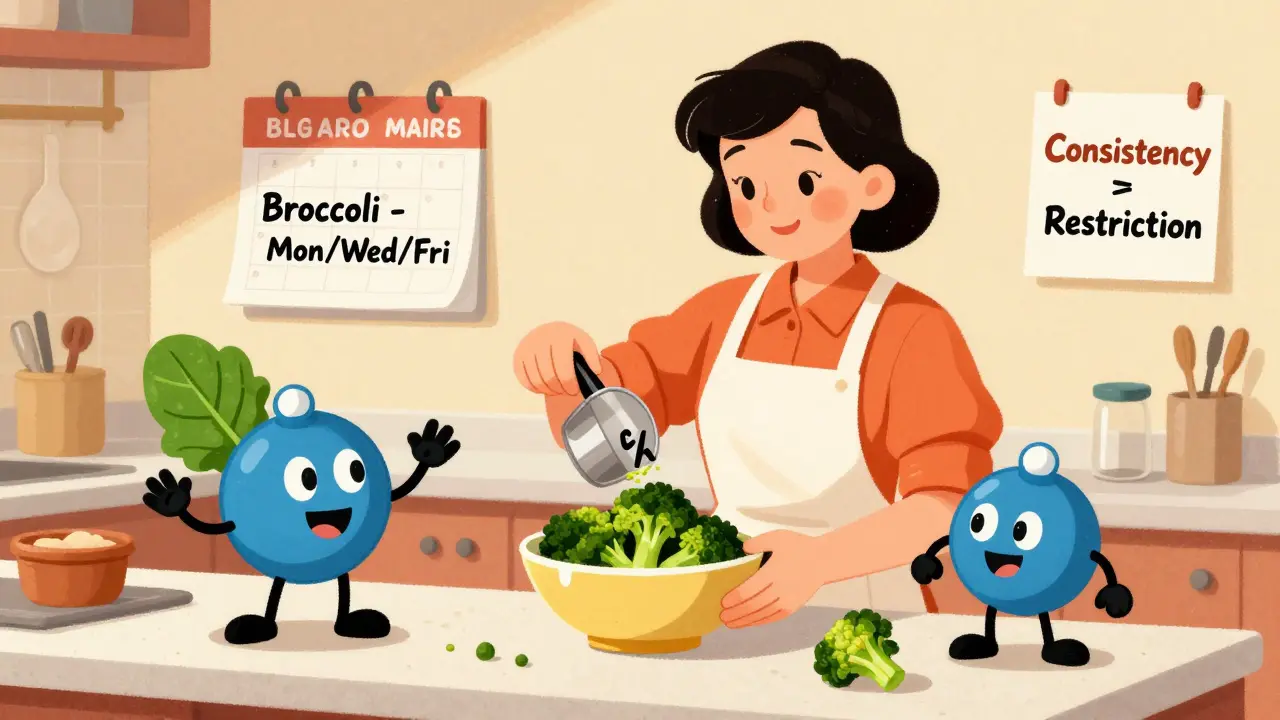
Warfarin and Vitamin K: How to Eat Consistently for Stable INR Levels
- 13 Comments
- Dec, 25 2025
Learn how to manage your diet with warfarin by keeping vitamin K intake consistent-not low-for stable INR levels. No need to avoid greens; just eat them the same way every week.
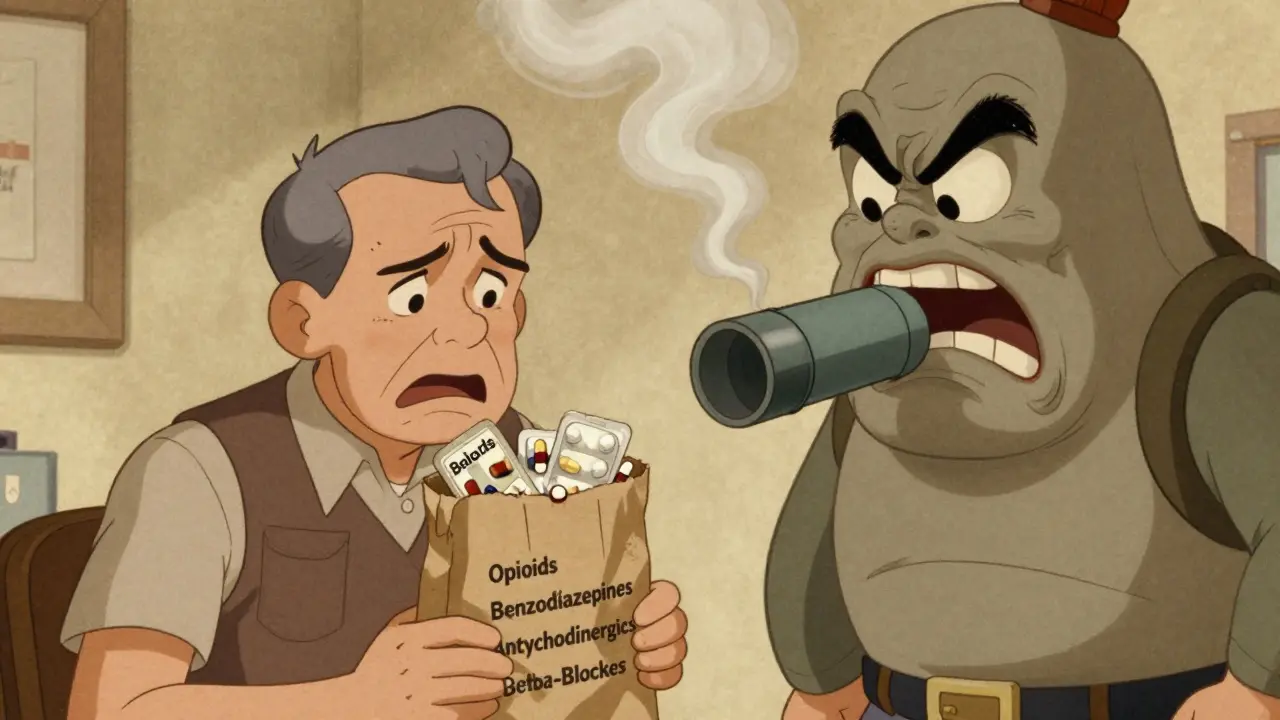
Medications to Avoid with COPD: Preventing Respiratory Compromise
- 9 Comments
- Dec, 22 2025
Certain medications can worsen COPD by suppressing breathing, thickening mucus, or causing dangerous interactions. Learn which drugs to avoid and safer alternatives to protect your lungs and prevent hospitalization.
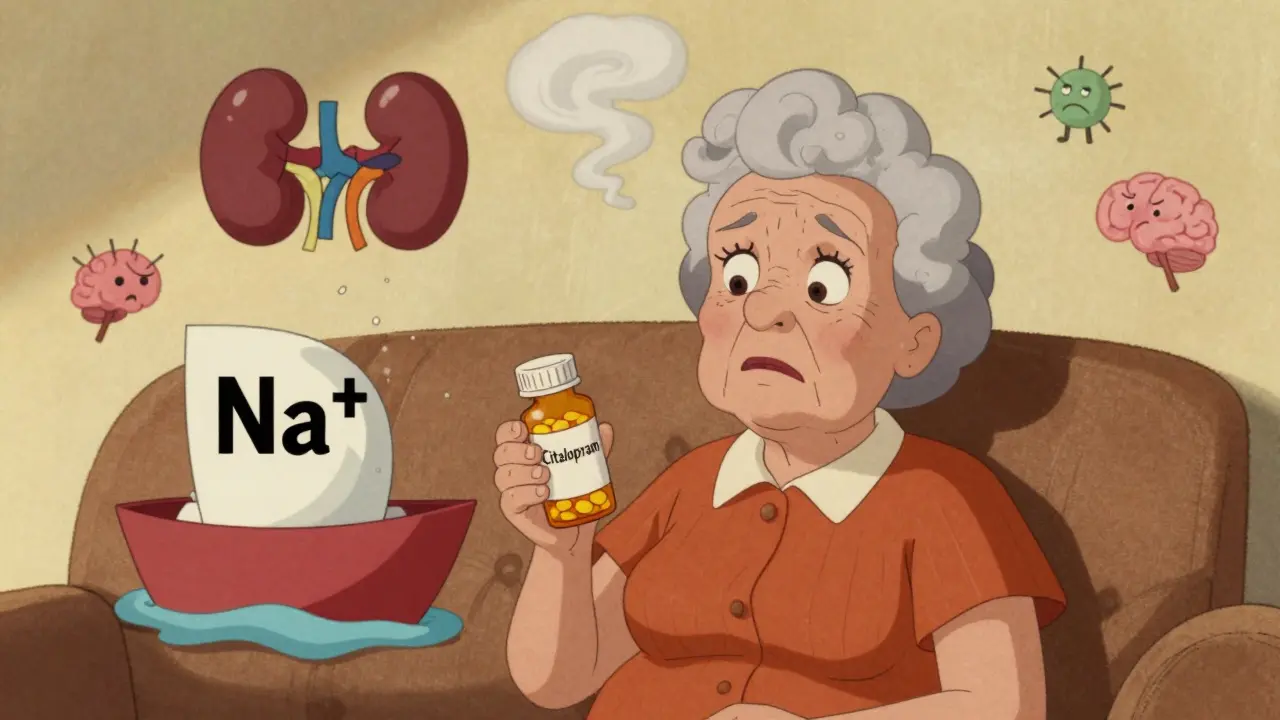
Hyponatremia from SSRIs: How Low Sodium and Confusion Risk Affect Antidepressant Use
- 15 Comments
- Dec, 17 2025
SSRIs can cause dangerously low sodium levels, especially in older adults, leading to confusion, falls, and hospitalization. Learn who’s at risk, which antidepressants are safest, and how to prevent this silent but serious side effect.

Floaters and Flashes: What They Mean and When to See a Doctor
- 11 Comments
- Dec, 15 2025
Floaters and flashes are common with age, but sudden changes can signal a retinal tear or detachment. Learn what’s normal, when to worry, and why quick action can save your vision.
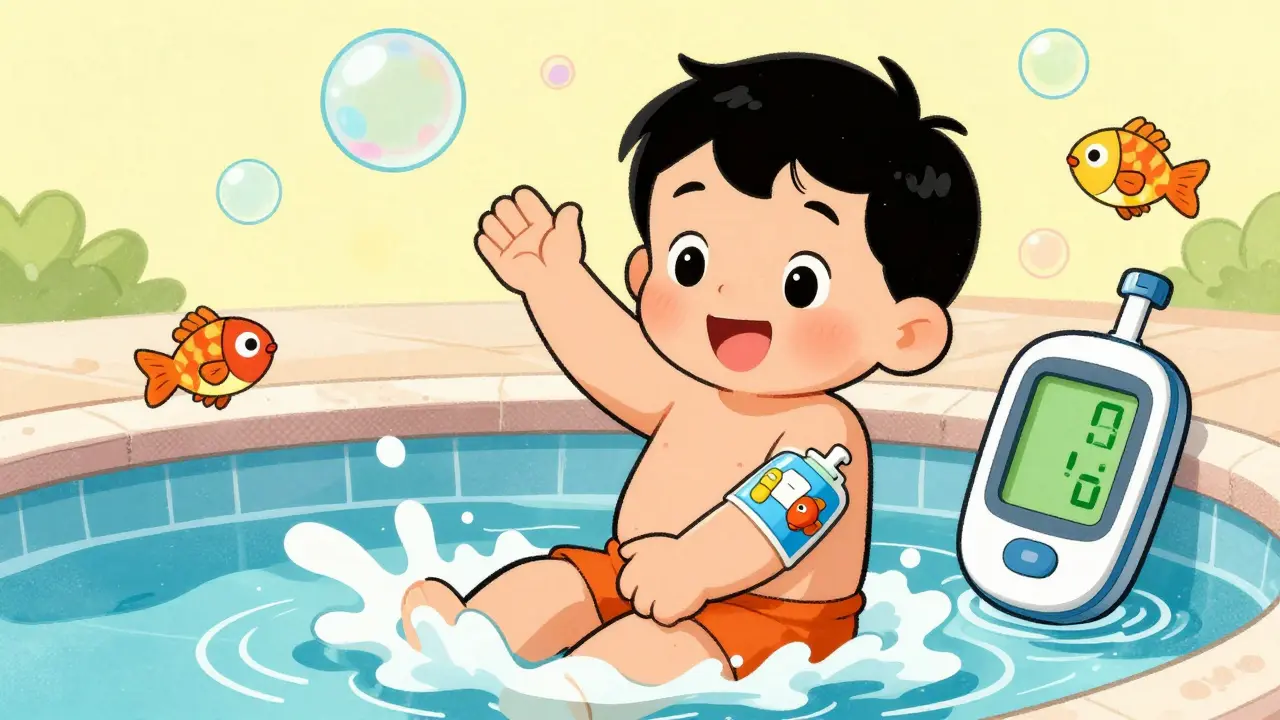
Insulin Pump Therapy for Type 1 Diabetes: Pros, Cons, and How to Start
- 10 Comments
- Dec, 15 2025
Insulin pump therapy offers better blood sugar control and more freedom for people with type 1 diabetes, but it comes with costs, risks, and a learning curve. Learn the real pros, cons, and how to get started safely.