What Narcolepsy with Cataplexy Really Feels Like
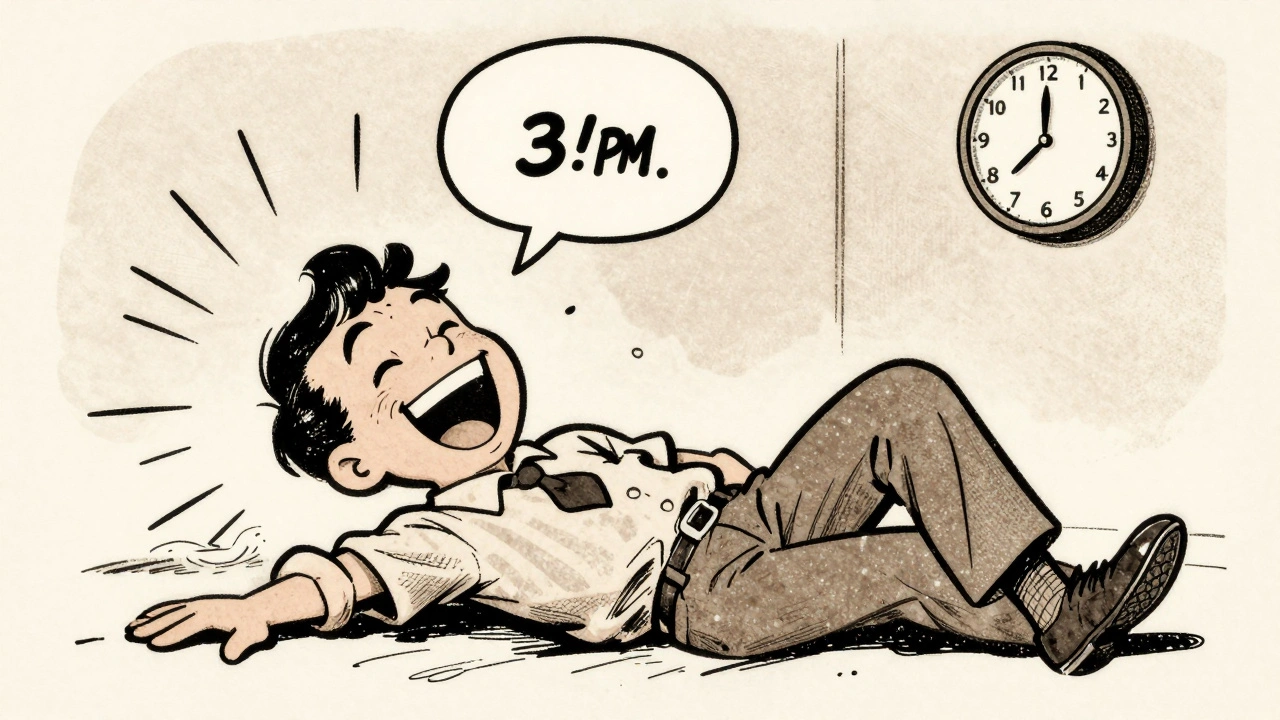
Imagine suddenly losing control of your muscles while laughing at a joke-your knees buckle, your head drops, and you can’t move for a few seconds. Then, later that day, you fall asleep in the middle of a conversation, even though you slept eight hours the night before. This isn’t fatigue. It’s narcolepsy with cataplexy, a rare neurological disorder that hijacks the brain’s sleep-wake control system. It’s not just being tired. It’s your brain losing the ability to keep wakefulness and sleep in separate lanes.
First described in 1880, this condition affects about 1 in every 2,000 people. Most people start showing symptoms between ages 10 and 30, but it often takes 6 to 10 years to get a correct diagnosis. Why? Because doctors mistake it for depression, anxiety, or even laziness. Patients report being told they’re just “stressed out” or “not trying hard enough.”
The Five Signs of Narcolepsy Type 1
Narcolepsy with cataplexy, officially called narcolepsy type 1, has five core symptoms. You don’t need all five to have it-but if you have cataplexy, you’re almost certainly dealing with this form.
- Excessive daytime sleepiness (EDS): Uncontrollable urges to sleep, no matter how much rest you get. These aren’t just yawns-they’re sudden, overwhelming lapses into sleep, even during meals, driving, or work meetings.
- Cataplexy: The defining feature. Sudden muscle weakness triggered by strong emotions like laughter, anger, or surprise. It can be as mild as a drooping eyelid or as severe as collapsing to the floor. Episodes last seconds to minutes and leave you fully aware but paralyzed.
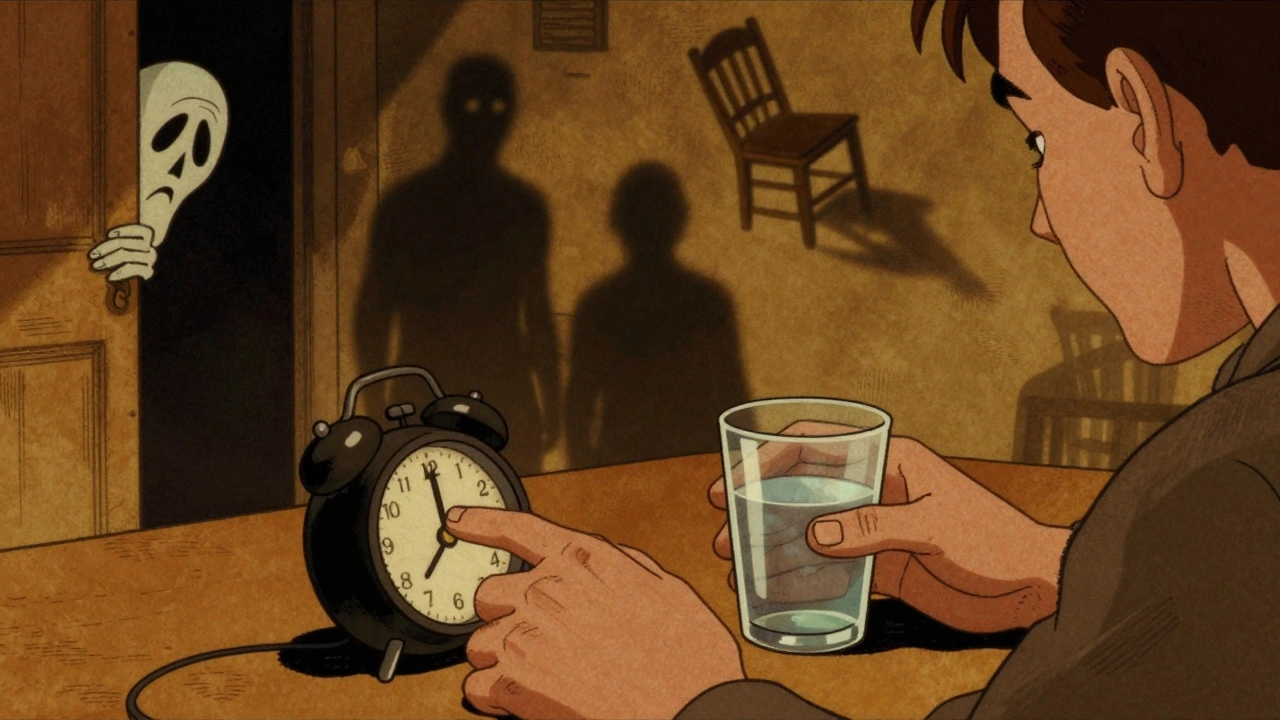
- Sleep paralysis: Waking up unable to move or speak, often with a sense of dread. This happens when REM sleep muscle paralysis spills over into wakefulness.
- Hallucinations: Vivid, often frightening images or sounds as you’re falling asleep (hypnagogic) or waking up (hypnopompic). These feel real and can last several minutes.
- Disrupted nighttime sleep: Despite sleeping all day, many wake up frequently at night, tossing and turning, even if they don’t remember it.
How Doctors Diagnose It
There’s no single blood test for narcolepsy. Diagnosis requires piecing together clinical history and objective sleep tests. Most patients go through a 4- to 12-week process.
First, your doctor will ask about your symptoms using tools like the Epworth Sleepiness Scale. A score above 10 suggests abnormal sleepiness. Then comes the sleep log-you record your sleep patterns for at least a week.
The next step is an overnight sleep study, called polysomnography (PSG). This records brain waves, breathing, heart rate, and muscle activity. It rules out sleep apnea, restless legs, or other disorders that mimic narcolepsy.
After that, you take the Multiple Sleep Latency Test (MSLT). You’re given four or five 20-minute nap opportunities every two hours during the day. The test measures how quickly you fall asleep and whether you enter REM sleep right away. If you fall asleep in under 8 minutes on average and have two or more REM periods during naps, it strongly supports a narcolepsy diagnosis.
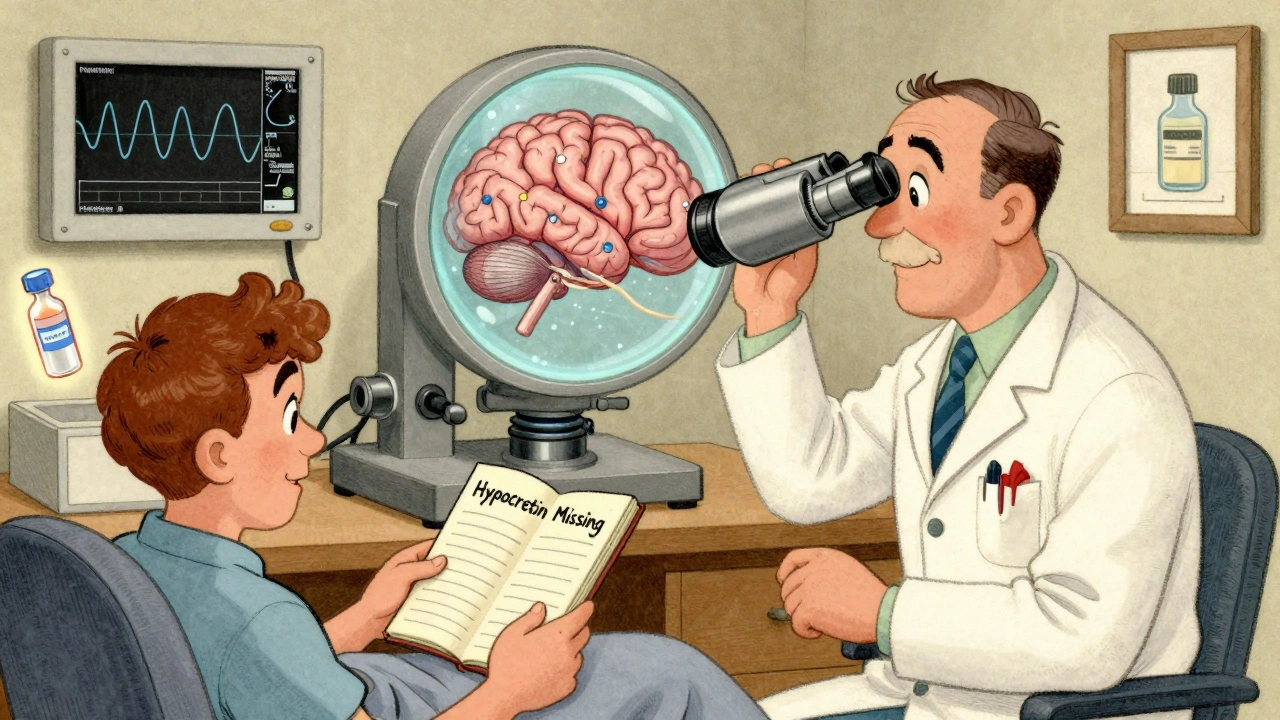
But here’s the key: the most accurate test isn’t the MSLT-it’s the cerebrospinal fluid (CSF) hypocretin-1 test. Hypocretin (also called orexin) is a brain chemical that keeps you awake. In narcolepsy type 1, the neurons that make it are destroyed. A CSF level below 110 pg/mL confirms the diagnosis with 98% accuracy. The catch? It requires a spinal tap, which can cause headaches and isn’t available everywhere.
Some experts, like Dr. Emmanuel Mignot from Stanford, say if cataplexy is classic and hypocretin levels are low, you don’t even need the MSLT. But many clinics still rely on it because CSF testing isn’t accessible to everyone. In the U.S., only about 40% of sleep centers can properly run MSLTs, creating major delays for patients.
Why Sodium Oxybate Is the Gold Standard Treatment
Before 2002, there were no FDA-approved drugs for cataplexy. Doctors used stimulants like modafinil to fight daytime sleepiness, but they did nothing for the sudden muscle collapses. Then came sodium oxybate-the first and still most effective treatment for both EDS and cataplexy.
Sodium oxybate (brand name Xyrem) is a liquid taken twice a night. It’s chemically the same as gamma-hydroxybutyrate (GHB), a substance once used recreationally and banned for abuse. That’s why it’s tightly controlled. You can’t pick it up at your local pharmacy. You must enroll in a special program called Xyrem REMS, and your doctor and pharmacy both need special certification.
How does it work? It doesn’t just sedate you. It deepens slow-wave sleep, which helps reset your sleep architecture. Patients report fewer nighttime awakenings, better sleep quality, and-most importantly-up to 90% reduction in cataplexy attacks. One study showed patients went from seven episodes a week down to just 1.2.
A newer version, Xywav, came out in 2020. It has the same active ingredient but with 92% less sodium. That’s a big deal for people with high blood pressure or heart issues. It’s also approved for kids as young as 7.
What Taking Sodium Oxybate Really Involves
It’s not a simple pill. Taking sodium oxybate means living by a strict schedule.
You take the first dose right before bed. Then, 2.5 to 4 hours later, you wake up to take the second dose. That means setting an alarm at midnight, getting out of bed, walking to the bathroom, drinking a liquid that tastes like salty water, and going back to sleep. For many, this is the hardest part. A 2021 study found 65% of patients struggle with the midnight dose. Some give up. Others switch to other medications.
Dosing starts low-4.5 grams per night-and increases by 1.5 grams every week until you hit your target. Most people need 6 to 9 grams total. It takes 2 to 3 months to find the right dose. Side effects include nausea (38%), dizziness (29%), and bedwetting (12%).
Cost is another barrier. Before insurance, Xyrem can cost $10,000 to $15,000 a month. Even with coverage, 28% of patients report prior authorization denials. Insurance companies often demand proof that other drugs failed before approving it.
But for those who stick with it, the payoff is life-changing. Patients say they can drive again, return to work, and stop hiding their symptoms. One man in his 30s told his doctor, “I haven’t collapsed laughing since I started this. I feel like I got my life back.”
What Comes Next? The Future of Narcolepsy Treatment
While sodium oxybate remains the gold standard, new options are on the horizon. Takeda’s TAK-994, an oral drug that replaces the missing hypocretin signal, showed 92% reduction in cataplexy in early trials. But development paused in late 2023 due to liver safety concerns.
Jazz Pharmaceuticals is testing FT001, a once-nightly version of sodium oxybate that doesn’t require the midnight dose. If approved, it could be a game-changer for adherence.
Also coming: updated diagnostic guidelines. The ICSD-4, expected in late 2024, may lower the CSF hypocretin threshold from 110 to 80 pg/mL and add tools to better measure cataplexy severity. This could help catch milder cases earlier.
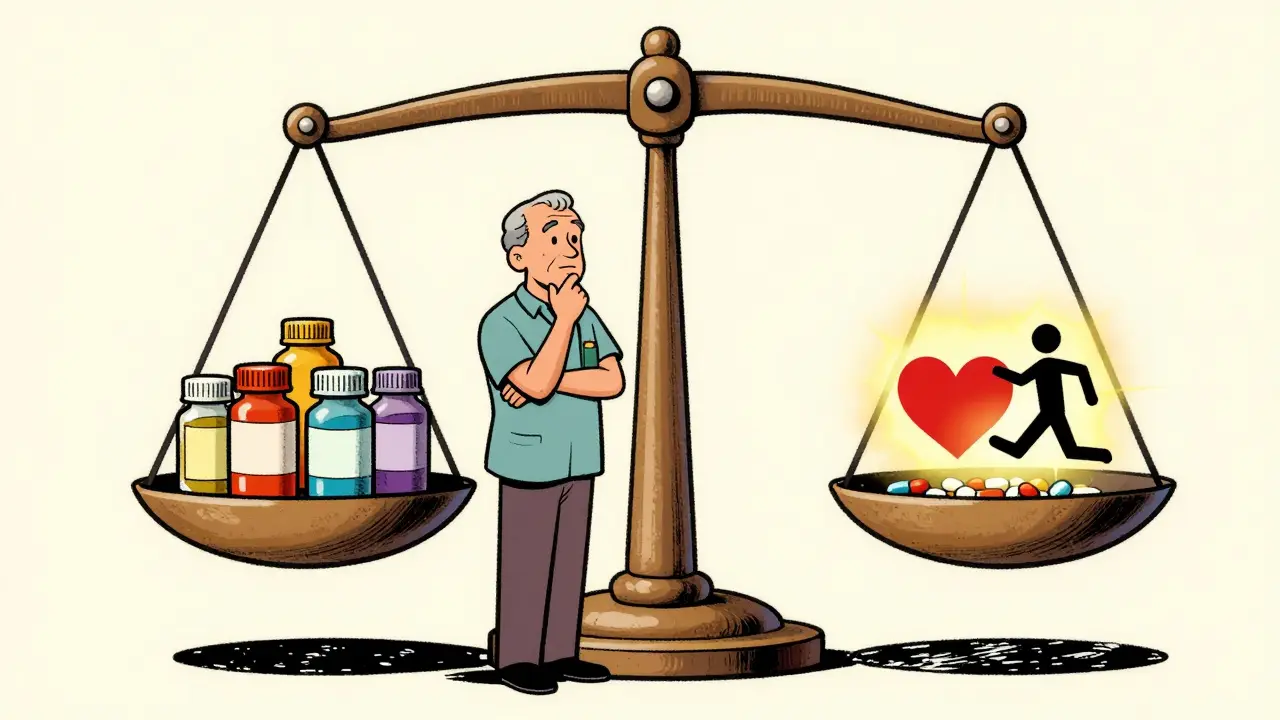
For now, sodium oxybate is still the only drug that treats both the sleepiness and the cataplexy. Other options-like pitolisant or solriamfetol-help with daytime sleepiness but don’t touch cataplexy. That’s why specialists still consider it first-line for patients with clear cataplexy.
What Patients Wish They Knew Sooner
Based on thousands of patient stories from forums and surveys, here’s what people wish they’d known:
- Cataplexy isn’t weakness. It’s a neurological event. Don’t dismiss it as “just being tired.”
- Don’t wait for the perfect test. If your symptoms match, start the diagnostic process even if you can’t get a CSF test right away.
- Find a sleep specialist. Primary care doctors rarely see narcolepsy. Sleep specialists know the signs and can push for the right tests.
- Advocate for yourself. If your doctor says it’s anxiety, ask for a sleep study. Bring a friend to document your episodes.
- It’s not your fault. This isn’t caused by stress, poor habits, or lack of willpower. It’s a biological condition tied to your immune system attacking brain cells.
Getting diagnosed is hard. Staying on treatment is harder. But for those who make it through, the difference isn’t just better sleep-it’s the ability to live without fear of collapsing in public, laughing at a joke, or crying at a movie.

John Webber
December 3, 2025 AT 16:10Shubham Pandey
December 4, 2025 AT 18:44Elizabeth Farrell
December 4, 2025 AT 20:01Sheryl Lynn
December 6, 2025 AT 18:00Paul Santos
December 7, 2025 AT 16:33John Morrow
December 8, 2025 AT 06:09ruiqing Jane
December 10, 2025 AT 00:36Fern Marder
December 10, 2025 AT 02:03Chris Wallace
December 10, 2025 AT 06:03william tao
December 11, 2025 AT 23:35