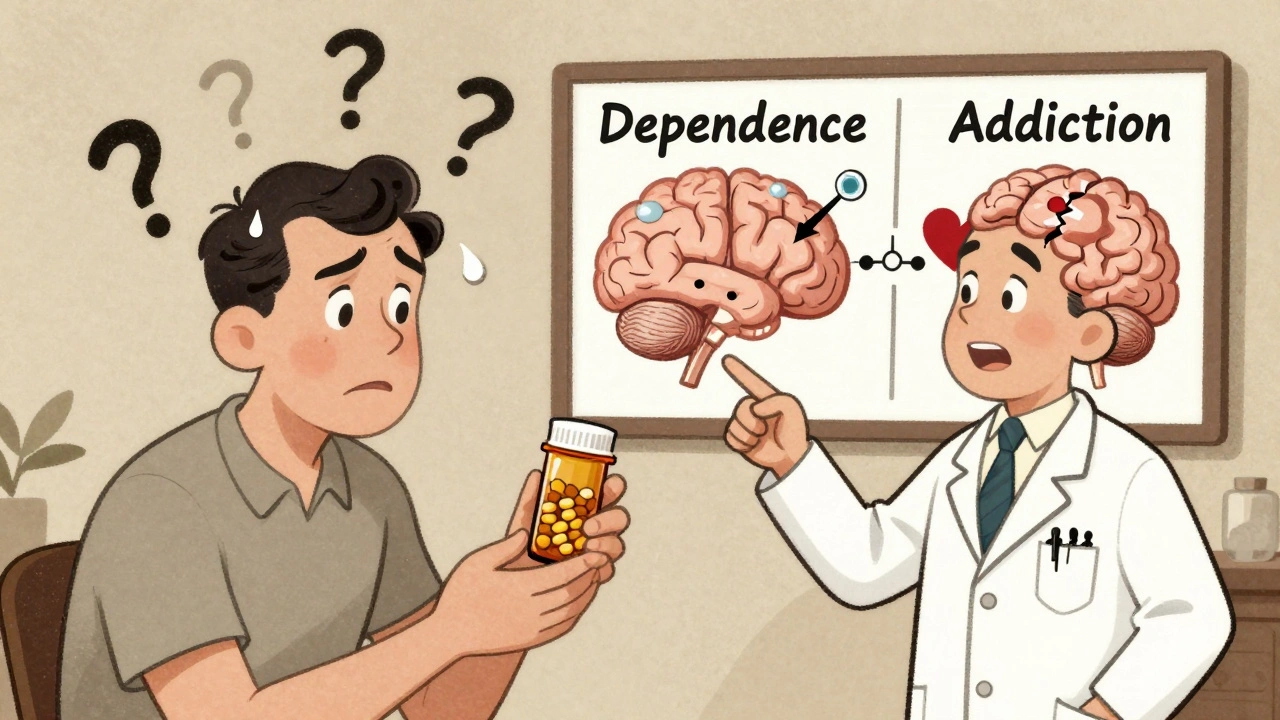
When someone takes opioids for pain - say, after surgery or for chronic back issues - they might start feeling sick if they skip a dose. Nausea. Sweating. Anxiety. Restlessness. Many panic: am I addicted? The answer isn’t simple. What they’re feeling isn’t addiction. It’s physical dependence. And confusing the two has cost people their pain relief, their dignity, and sometimes their lives.
What Is Physical Dependence?
Physical dependence is your body getting used to a drug. It’s not a choice. It’s biology. When you take opioids daily for more than a week, your brain adjusts. It starts making less of its own natural painkillers and changes how nerve cells fire. This is normal. It happens to nearly everyone who takes opioids long-term. Studies show that 90% or more of patients on daily opioid therapy for 30 days or longer develop physical dependence. When you stop taking the drug, your body doesn’t know how to function without it. That’s when withdrawal kicks in. Symptoms include vomiting (in 85% of cases), diarrhea (68%), sweating (78%), anxiety (89%), and intense yawning (76%). These aren’t signs of being a "bad person" or having weak willpower. They’re signs your nervous system is rewiring itself back to normal. The CDC says physical dependence develops at doses above 30 morphine milligram equivalents (MME) per day - that’s about two 10mg oxycodone pills daily. And it can happen in as little as 7 to 10 days. That’s faster than most people realize.What Is Addiction?
Addiction - now called Opioid Use Disorder (OUD) - is different. It’s not about physical symptoms. It’s about behavior. It’s when someone keeps using opioids even when it destroys their job, their relationships, or their health. The DSM-5, the official guide doctors use to diagnose mental health conditions, lists 11 criteria for OUD. You need at least two to be diagnosed. These include:- Craving the drug (present in 83% of severe cases)
- Loss of control over how much or how often you use
- Continuing to use despite harm - like losing custody of your kids or overdosing
- Spending most of your time getting, using, or recovering from the drug
- Giving up activities you used to love
The Big Difference: One Is Normal. One Is Dangerous.
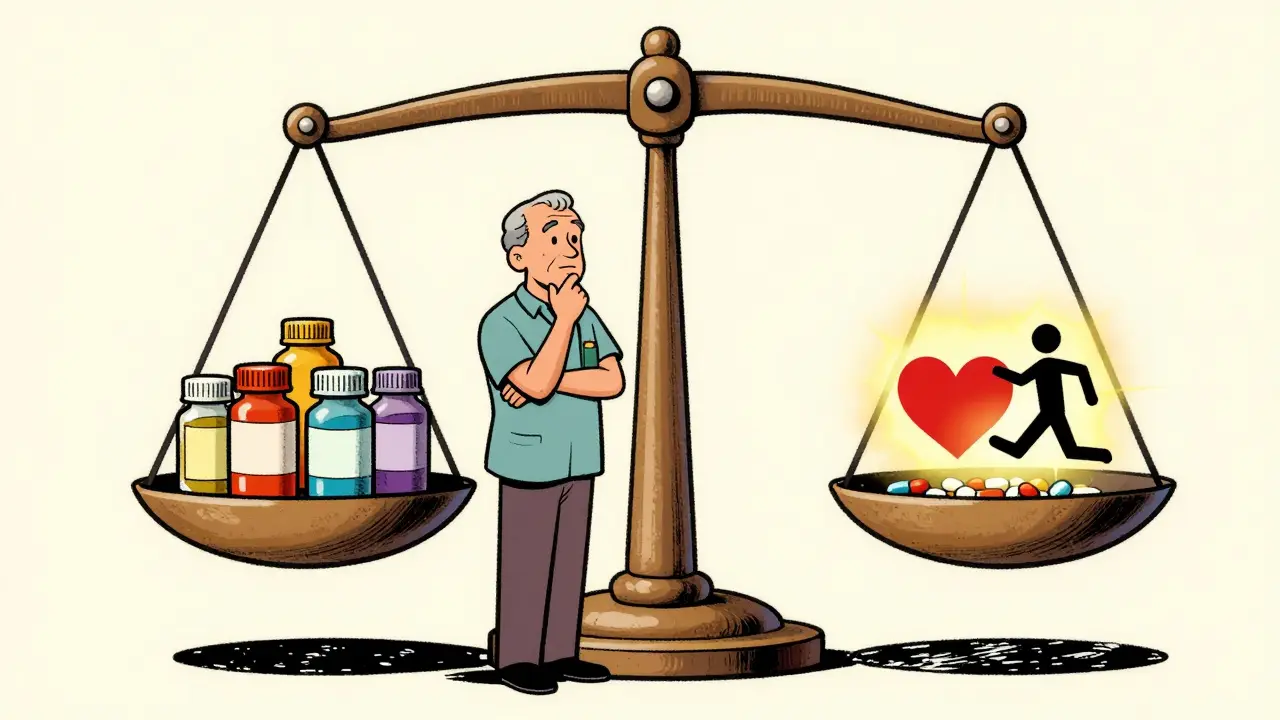
Here’s the key: you can have physical dependence without addiction. In fact, most people do. A 2017 study in Pain Medicine found that while almost everyone on long-term opioids becomes physically dependent, only about 8% develop OUD. The 2017 National Survey on Drug Use and Health backed this up: 9.9 million Americans misused prescription painkillers, but only 1.7 million met the clinical criteria for addiction. Think of it like this: if you take insulin for diabetes, your body becomes dependent on it. If you stop, you get sick. That doesn’t mean you’re addicted to insulin. Same with thyroid medication. Or blood pressure pills. Dependence doesn’t equal addiction. But addiction? That’s when you steal money to buy pills. When you lie to your doctor for refills. When you drive two hours to a clinic just to get more - even though your back pain is gone.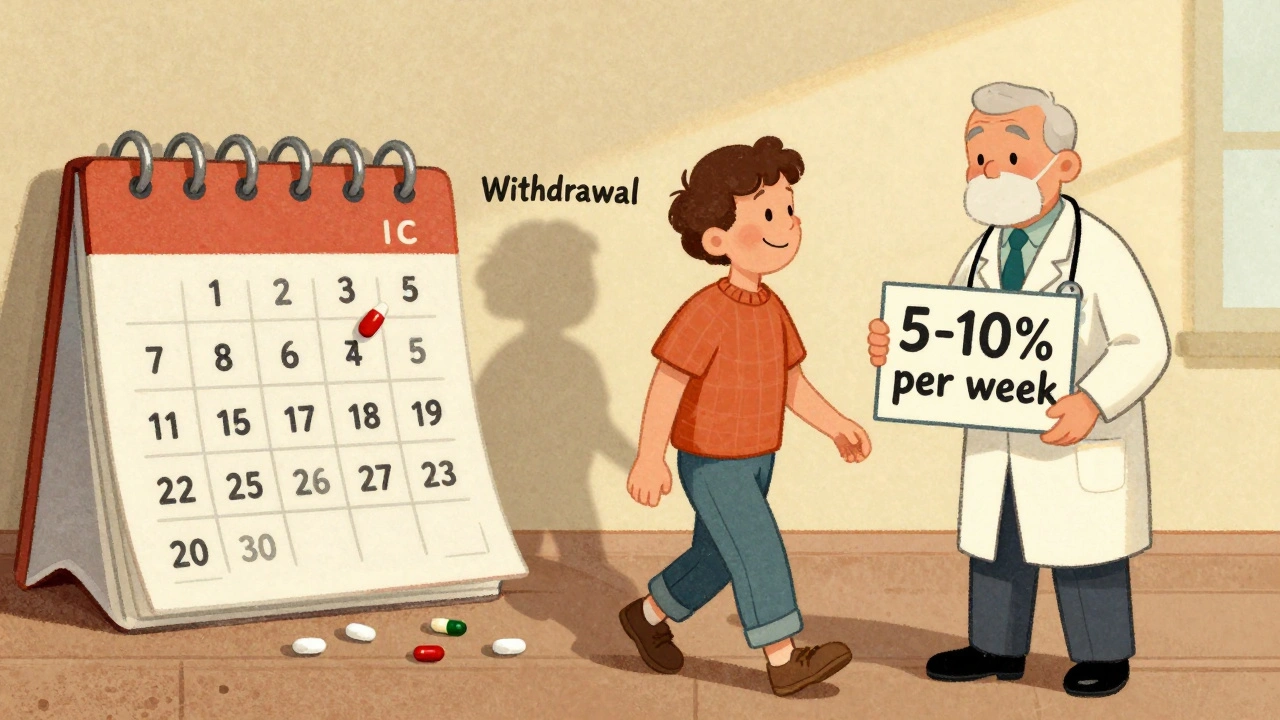
Why This Distinction Matters
For years, doctors and patients got this wrong. Because dependence looked like addiction, many people were abruptly cut off from their pain meds. No taper. No warning. Just: "You’re addicted. No more opioids." The result? Patients went into severe withdrawal. Some turned to heroin because it was cheaper and easier to get. Others stopped seeing doctors altogether. A 2020 study found that 68% of chronic pain patients believed withdrawal meant they were addicted - so they avoided treatment or hid their symptoms. The American Medical Association passed a resolution in 2021 urging doctors to stop conflating the two. The CDC’s 2022 guidelines say clearly: "Physical dependence is not a reason to discontinue opioid therapy when benefits outweigh risks." Dr. Nora Volkow, head of the National Institute on Drug Abuse, puts it bluntly: "Physical dependence is a normal physiological adaptation. Addiction reflects pathologic changes in brain circuits that govern motivation and behavior." This isn’t just academic. It’s life-or-death.How Doctors Tell Them Apart
Doctors don’t guess. They use tools. For risk assessment, they use the Opioid Risk Tool (ORT). It flags people with a history of substance abuse, mental illness, or trauma as higher risk for OUD. About 24% of patients are classified as high-risk. For withdrawal, they use the Clinical Opiate Withdrawal Scale (COWS). A score above 12 means moderate withdrawal - time to slow the taper. For addiction? They ask the DSM-5 questions. Did you lose your job? Did you lie to get prescriptions? Did you keep using even after your pain improved? Did you risk your health or relationships? If yes - that’s OUD. And here’s the newest tool: brain scans. A 2023 study in the Journal of Neuroscience showed fMRI scans could tell the difference between physical dependence and OUD with 89% accuracy by measuring activity in the prefrontal cortex during craving tasks. This isn’t routine yet - but it’s coming.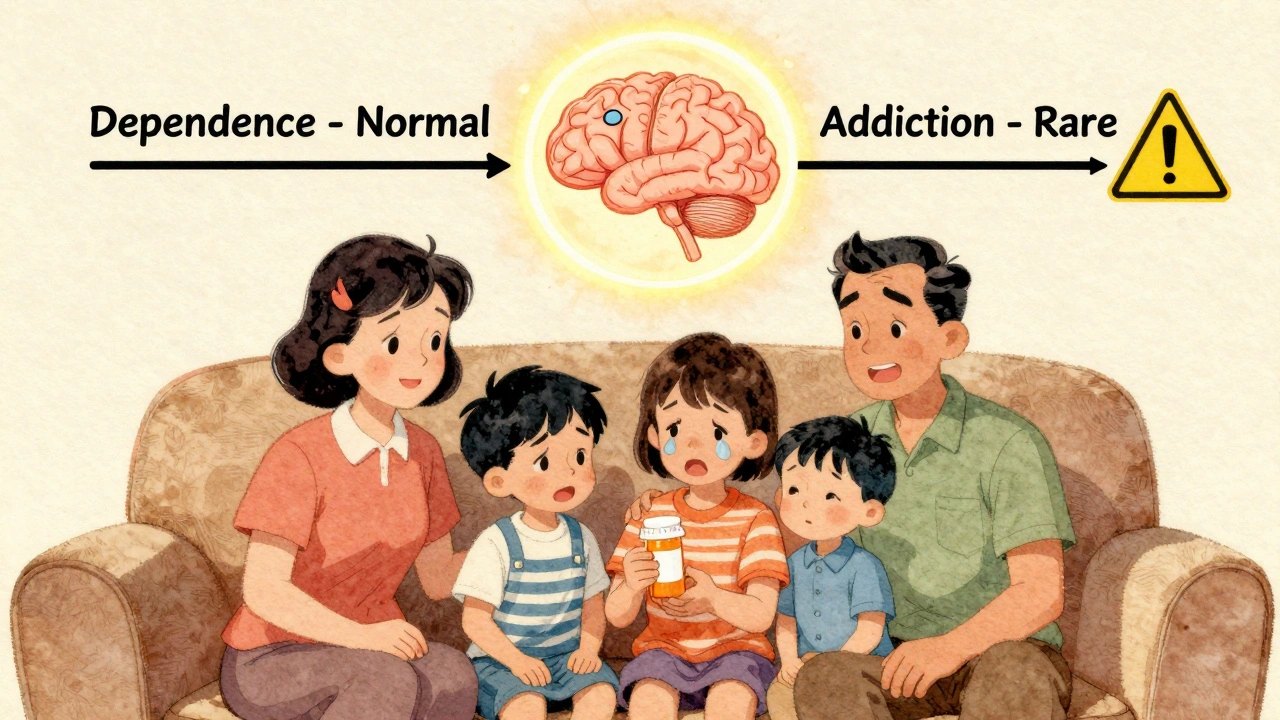
What Happens Next?
If you have physical dependence but not addiction, you don’t need rehab. You need a taper. The CDC recommends reducing your dose by 5-10% every 2-4 weeks. For people on high doses (over 100 MME/day), go slower - 5% per month. This reduces withdrawal symptoms and keeps you stable. Medications like lofexidine (approved by the FDA in 2023) can ease symptoms during this process. If you have OUD, you need Medication-Assisted Treatment (MAT). That means buprenorphine or methadone - drugs that reduce cravings and block other opioids - plus counseling. MAT cuts overdose deaths by 50-80%. Yet, only 67% of insurance plans have clear rules for managing physical dependence in pain patients. Most cover MAT, but not the slow, safe tapering that keeps people out of withdrawal.What You Should Know
If you’re on opioids for pain:- Feeling sick when you miss a dose? That’s dependence. Not addiction.
- Wanting more pills even when your pain is gone? That’s a red flag.
- Using them to feel good, not to manage pain? That’s OUD.
- Asking your doctor to taper slowly? That’s smart.
- Being afraid to talk about it? That’s the stigma talking.
- Don’t assume withdrawal means addiction.
- Don’t shame someone for needing pain meds.
- Do ask: "Are you using because you need relief - or because you can’t stop?"
Final Thought
The opioid crisis wasn’t caused by people taking their meds as prescribed. It was caused by misunderstanding what dependence meant. We punished patients for a normal bodily reaction. We treated pain like a crime. And we let addiction go untreated because we thought everyone on opioids was a junkie. The science is clear now. Physical dependence is common. Addiction is rare. And treating them the same way hurts everyone. The path forward isn’t more restrictions. It’s better education - for doctors, for patients, for families. Know the difference. Speak up. Ask questions. And never let fear take away your right to pain relief - or your chance at recovery.Can you be physically dependent on opioids without being addicted?
Yes. Nearly everyone who takes opioids daily for more than a week becomes physically dependent. That means their body adapts to the drug and will experience withdrawal if stopped suddenly. But physical dependence doesn’t mean you’re addicted. Addiction involves compulsive use despite harm, loss of control, and cravings - not just physical withdrawal symptoms.
How long does it take to become physically dependent on opioids?
Physical dependence can develop in as little as 7 to 10 days of regular opioid use, especially at doses above 30 morphine milligram equivalents (MME) per day. This is why doctors are trained to monitor patients closely after the first week of therapy.
What are the signs of opioid addiction versus withdrawal?
Withdrawal symptoms include nausea, vomiting, sweating, diarrhea, anxiety, and yawning - these are physical reactions to stopping the drug. Addiction signs are behavioral: lying to get prescriptions, stealing money, using despite job loss or relationship damage, craving the drug even when not in pain, and failing to cut down despite wanting to.
Can you taper off opioids safely without becoming addicted?
Yes. A slow, medically supervised taper - reducing dose by 5-10% every 2-4 weeks - helps manage physical dependence without triggering addiction. Many people taper successfully and never develop compulsive use. The key is working with a provider who understands the difference between dependence and addiction.
Why do some doctors cut patients off opioids suddenly?
Some doctors fear legal consequences or misunderstand the science. They confuse physical dependence with addiction and believe stopping opioids is the safest option. But abrupt discontinuation can cause severe withdrawal and push people toward illegal drugs. Guidelines from the CDC and AMA now warn against this practice and urge a patient-centered approach.
Is Medication-Assisted Treatment (MAT) just replacing one drug with another?
No. MAT uses FDA-approved medications like buprenorphine or methadone to stabilize brain chemistry, reduce cravings, and block the effects of other opioids. It’s not about replacing one high with another - it’s about restoring normal brain function so people can rebuild their lives. Studies show MAT cuts overdose deaths by 50-80% and improves retention in treatment.
What’s the risk of developing OUD if I take opioids for pain?
For opioid-naïve patients using opioids strictly for acute pain - like after surgery - the risk of developing OUD is very low: between 0.7% and 1.0%. Risk increases with longer use, higher doses, or a personal or family history of substance use disorder. But for most people taking opioids as directed, addiction is rare.
Can brain scans tell the difference between dependence and addiction?
Emerging research shows yes. A 2023 study used fMRI scans to measure activity in the prefrontal cortex during craving tasks and distinguished between physical dependence and OUD with 89% accuracy. While not yet routine in clinics, this technology is expected to help reduce misdiagnosis in the next few years.

Sean McCarthy
December 3, 2025 AT 01:59Dependence is not addiction. Period. If you take meds for pain and get sick when you stop thats biology not weakness. Stop calling people addicts because they need their pills.
Its that simple.
Jack Arscott
December 3, 2025 AT 13:47This is such an important post. I’ve seen too many people get cut off cold turkey and end up on heroin. Physical dependence is like having a cast on your arm-you don’t stop needing it because it’s there. It’s not a moral failing. 🙏
Doctors need to stop being scared and start being smart.
Matt Dean
December 4, 2025 AT 06:40Let me get this straight. You’re saying if I take painkillers for a month and feel like crap when I stop, I’m not an addict? Wow. So all those people on the news who stole from their grandmas were just… physically dependent? That’s the dumbest thing I’ve heard all week. If you’re taking opioids long term you’re already one step from the gutter. Don’t sugarcoat it.
Walker Alvey
December 5, 2025 AT 13:17Oh wow. So now we’re giving out gold stars for not being a junkie? Congrats. You took your medicine like a good little patient. You didn’t lie to your doctor or sell your TV for more pills. You deserve a cookie.
Meanwhile the rest of us are still cleaning up the mess you helped create. Thanks for the lecture on biology. Did you also write the textbook on how to be a martyr?
Dennis Jesuyon Balogun
December 6, 2025 AT 21:09The neurobiological distinction between dependence and addiction is not merely semantic-it is ontologically critical. When the dopaminergic reward circuitry is hijacked, the prefrontal executive function becomes attenuated, leading to compulsive drug-seeking behavior irrespective of negative consequences. This is pathophysiological, not moral. Physical dependence, conversely, is homeostatic adaptation-a transient recalibration of receptor sensitivity and endogenous opioid production. To conflate these is to perpetuate epistemic violence against chronic pain patients. The systemic failure lies not in pharmacology but in the hegemony of moralistic paradigms within clinical governance. We must decouple stigma from science.
And yes, this is why Nigeria’s pain management protocols are more humane than America’s.
Grant Hurley
December 8, 2025 AT 10:38Man I wish I read this 5 years ago. I was on oxycodone after my back surgery and got scared when I felt sick skipping a dose. Thought I was hooked. Went cold turkey and nearly died. My doc didn’t explain any of this. Just said ‘stop it’.
Now I’m on a slow taper with lofexidine and honestly? I feel like a human again. Thanks for making this so clear. Seriously.
Lucinda Bresnehan
December 9, 2025 AT 09:33As a nurse who’s worked in pain management for 18 years, I’ve seen this happen over and over. Patients cry because they’re being cut off. They’re not addicts-they’re scared. They think they’re bad people for needing help. We need to educate families, doctors, even the police. This isn’t just medicine-it’s humanity.
Also, typo: ‘morphine milligram equivelents’ should be ‘equivalents’ 😅
Shannon Gabrielle
December 10, 2025 AT 15:39Oh so now we’re romanticizing opioid dependence like it’s yoga and kale? You take pills for 10 days and suddenly you’re a victim of bad biology? Meanwhile your kid’s school fundraiser got canceled because you were too high to show up. Your ‘physical dependence’ is just your ego pretending it’s not addiction.
Wake up. People die because you think you’re special.
ANN JACOBS
December 11, 2025 AT 16:43It is imperative that we, as a society, recognize the profound distinction between physiological adaptation and pathological behavioral disorder. The former is a predictable, transient, and biologically inevitable consequence of prolonged pharmacological intervention; the latter is a complex neurobehavioral syndrome characterized by impaired control, social impairment, and compulsive use despite adverse outcomes. The conflation of these two phenomena has resulted in a public health catastrophe wherein patients suffering from chronic pain are subjected to punitive, non-evidence-based policies that violate the fundamental tenets of medical ethics. It is not merely a matter of clinical accuracy-it is a moral imperative to differentiate, to educate, and to advocate for patient dignity. Let us not allow fear to override science, nor stigma to supersede compassion.
Thank you for this lucid, necessary exposition.
Nnaemeka Kingsley
December 12, 2025 AT 11:55Bro this is real. I’m from Nigeria and here we don’t have the same drama with opioids. People get pain meds and taper slow. No one screams ‘addict’ if you feel sick stopping. You just see a doc. Simple.
Why is America so scared of helping people?
Kshitij Shah
December 13, 2025 AT 05:08So let me get this straight. You’re telling me if I take painkillers for a month and feel like shit when I stop, I’m not a junkie? Cool. So if I start stealing to get more? That’s the addiction part. Got it. So it’s not the pills, it’s the stealing. Gotcha. Thanks for the 101 class. I’ll be sure to tell my cousin who’s in rehab next week.
Souvik Datta
December 13, 2025 AT 19:40This is one of the most balanced and scientifically accurate explanations I’ve seen on this topic. The confusion between dependence and addiction is not just a medical error-it’s a cultural failure. We treat pain patients like criminals and addicts like pariahs. Meanwhile, MAT saves lives and tapering saves dignity. The fact that insurance doesn’t cover proper tapering is a national disgrace. We need policy change, not more stigma.
Sean McCarthy
December 15, 2025 AT 16:06Shannon Gabrielle above is the reason people die. You think calling someone a junkie stops them from using? Nah. It just makes them hide. And when they hide, they overdose alone.
Stop being a problem. Start being part of the solution.