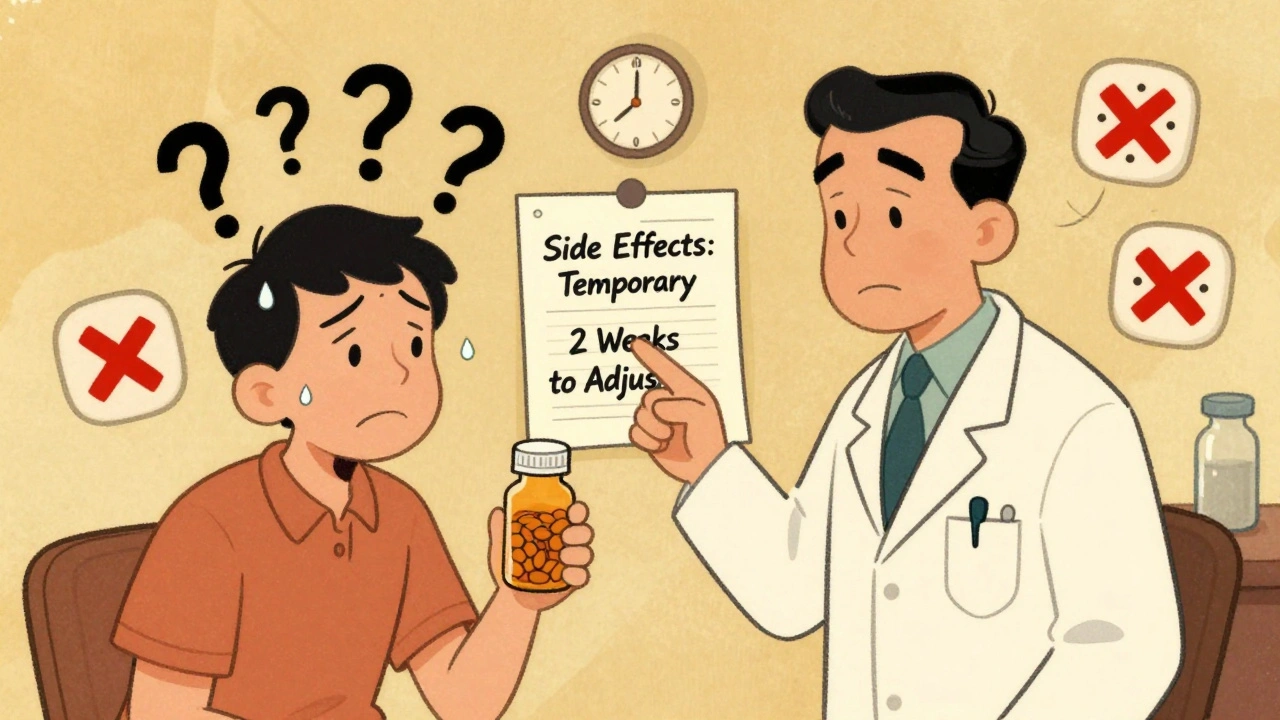
Many people believe that if they feel worse after starting a new medication, it means the drug is harmful-and that stopping it is the safest choice. But that’s not always true. In fact, acting on these misunderstandings can be more dangerous than the side effects themselves. Every year, thousands of people in the U.S. end up in the hospital not because their medication failed, but because they stopped taking it based on myths. The truth is, most side effects are temporary, manageable, or even imagined. Let’s clear up the biggest misconceptions about medication side effects-with facts, not fear.
Myth: If You Feel Bad, Stop Taking the Medication
It’s natural to want to quit when you feel nauseous, dizzy, or tired after starting a new pill. But stopping abruptly can do more harm than good. For example, antidepressants like SSRIs don’t cause withdrawal because they’re addictive-they cause withdrawal because your brain has adjusted to their presence. If you stop suddenly, 56% of users experience symptoms like dizziness, "brain zaps," or insomnia, according to a 2019 review in the Journal of Clinical Psychiatry. These aren’t signs the drug is dangerous-they’re signs your body needs time to adjust. The same goes for blood pressure medications. A 2022 Circulation study found that 28% of heart attack survivors quit beta-blockers within 90 days because they felt sluggish or had cold hands. But those patients were 3.2 times more likely to have another heart attack. The side effects? Often mild and temporary. The solution? Talk to your doctor. A simple change-like taking the pill with food, switching to a different time of day, or adjusting the dose-can cut nausea by up to 68%, as shown in a 2020 study in the Journal of Clinical Pharmacy and Therapeutics.Myth: You Can Stop Antibiotics When You Feel Better
This one is everywhere. You’ve got a cough, you start antibiotics, and by day three you’re feeling fine. So you toss the rest of the pills. It feels smart. It’s not. The CDC says this habit is one of the top reasons antibiotic resistance is rising. Every time you stop early, you leave behind the toughest bacteria. They survive, multiply, and become immune to the drug. A 2020 meta-analysis in The Lancet Infectious Diseases found that skipping just one dose increases the chance of a resistant infection by 17%. That’s not theoretical-it’s happening right now. The CDC estimates 2.8 million antibiotic-resistant infections happen in the U.S. each year, leading to 35,000 deaths. Doctors don’t prescribe 7 to 14 days of antibiotics just to make you take more pills. It’s to kill 99.9% of the bacteria. Even if you feel fine, a few lingering bugs can cause a relapse-or worse, create superbugs. The Infectious Diseases Society of America is clear: symptom relief doesn’t mean infection eradication. Finish the course. Always.Myth: Statins Always Cause Muscle Pain
If you’ve ever heard someone say, "I can’t take statins-they wreck your muscles," you’re hearing a myth that’s costing lives. Statins lower cholesterol and prevent heart attacks. Yet a 2021 study in the American Journal of Cardiology found that 74% of patients quit statins within the first year because they thought they caused muscle pain. Here’s the data: The Cholesterol Treatment Trialists’ Collaboration analyzed 174,000 people across 27 trials and found that only 0.9% more statin users reported muscle symptoms than those on a placebo. That’s less than 1% difference. In fact, a 2018 New England Journal of Medicine study showed that 90% of people who believe they have statin-related myopathy can tolerate statins when tested in blind trials. Why? Often, it’s the nocebo effect-expecting side effects makes you feel them. There are also better options. Hydrophilic statins like rosuvastatin and pravastatin penetrate muscle tissue 70% less than older lipophilic ones, reducing muscle side effects by 32%, according to a 2020 Journal of the American College of Cardiology meta-analysis. If you’re struggling, don’t quit-ask your doctor about switching.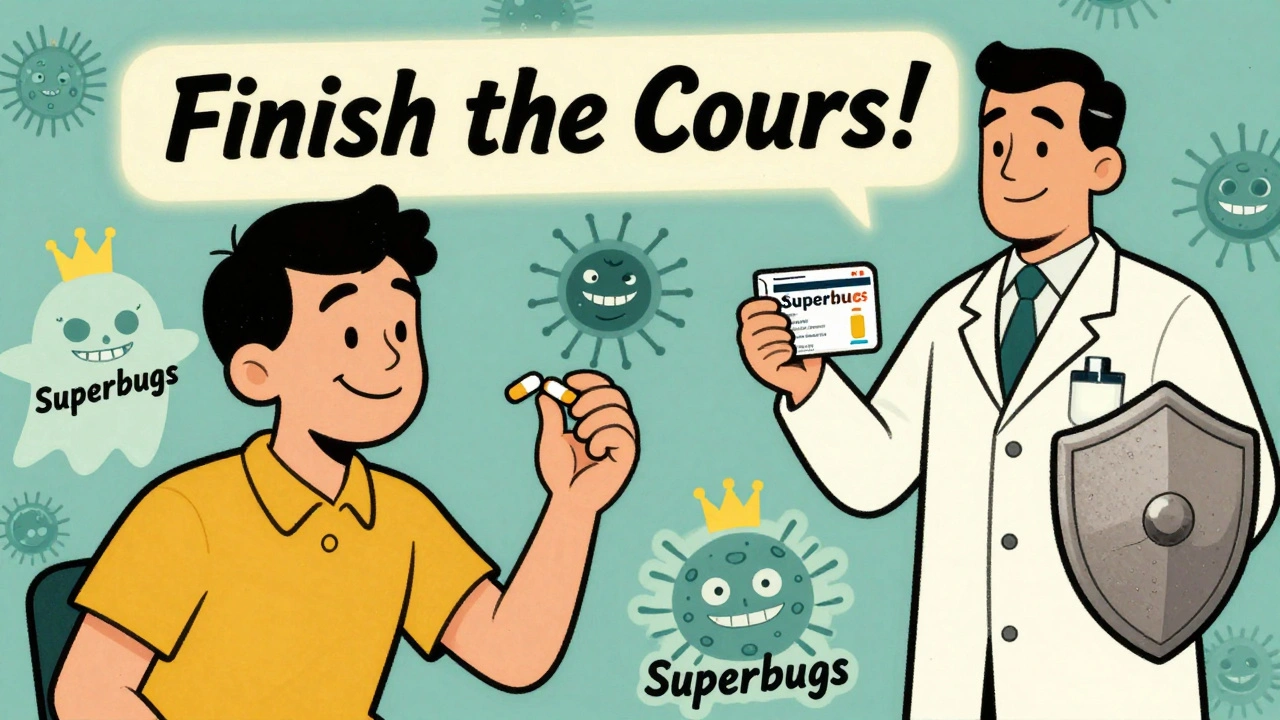
Myth: OTC Pain Relievers Are Just as Good as Prescription Ones
You’ve got chronic back pain? Pop an ibuprofen. Aching joints? Take acetaminophen. Sounds harmless, right? But for moderate to severe chronic pain, OTC doses often don’t cut it. A 2022 Journal of Pain Research analysis found that 68% of patients with persistent pain get inadequate relief from maximum daily doses of OTC painkillers (1,200mg ibuprofen, 3,000mg acetaminophen). That’s why 41% of chronic pain patients delay seeing a doctor for an average of 14.7 months, according to the American Academy of Pain Medicine. By then, the condition worsens, and treatment becomes harder. Worse, long-term OTC use has real risks. Acetaminophen causes 56,000 emergency room visits each year in the U.S. from liver damage-often because people take multiple products (cold meds, sleep aids) that all contain it. The safe limit? 4,000mg per day. Many unknowingly cross it. Ibuprofen isn’t safer. Exceeding the recommended dose causes 10,000 hospitalizations annually for gastrointestinal bleeding, per the American Gastroenterological Association. OTC doesn’t mean risk-free. If your pain isn’t controlled by OTC meds after a few weeks, it’s time to talk to a specialist-not to double up on pills.Myth: Prescription Drugs Are Safer Than Illegal Ones
This myth is deadly. Many people think if a doctor prescribed it, it’s automatically safe. But prescription opioids, when misused, are just as dangerous as heroin or fentanyl. In 2022, prescription opioids were involved in 18,000 overdose deaths in the U.S., and 30% of those cases involved pills taken by someone other than the person they were prescribed to. The National Institute on Drug Abuse found that 53% of new opioid misuse cases started with pills from a friend or family member. Even short-term use carries risk: a 2021 study by the American Society of Addiction Medicine showed a 23% chance of developing opioid use disorder after just 30 days of use. And mixing prescription meds with alcohol? That’s a recipe for disaster. A 2022 Journal of Clinical Medicine study found this combo increases death risk by 47%. Acetaminophen plus alcohol causes 450 liver failure deaths per year, according to the American Liver Foundation. Prescription drugs aren’t toys. They’re powerful chemicals. Always take them exactly as directed. Never share them. Never mix them with alcohol or other substances without checking with your pharmacist.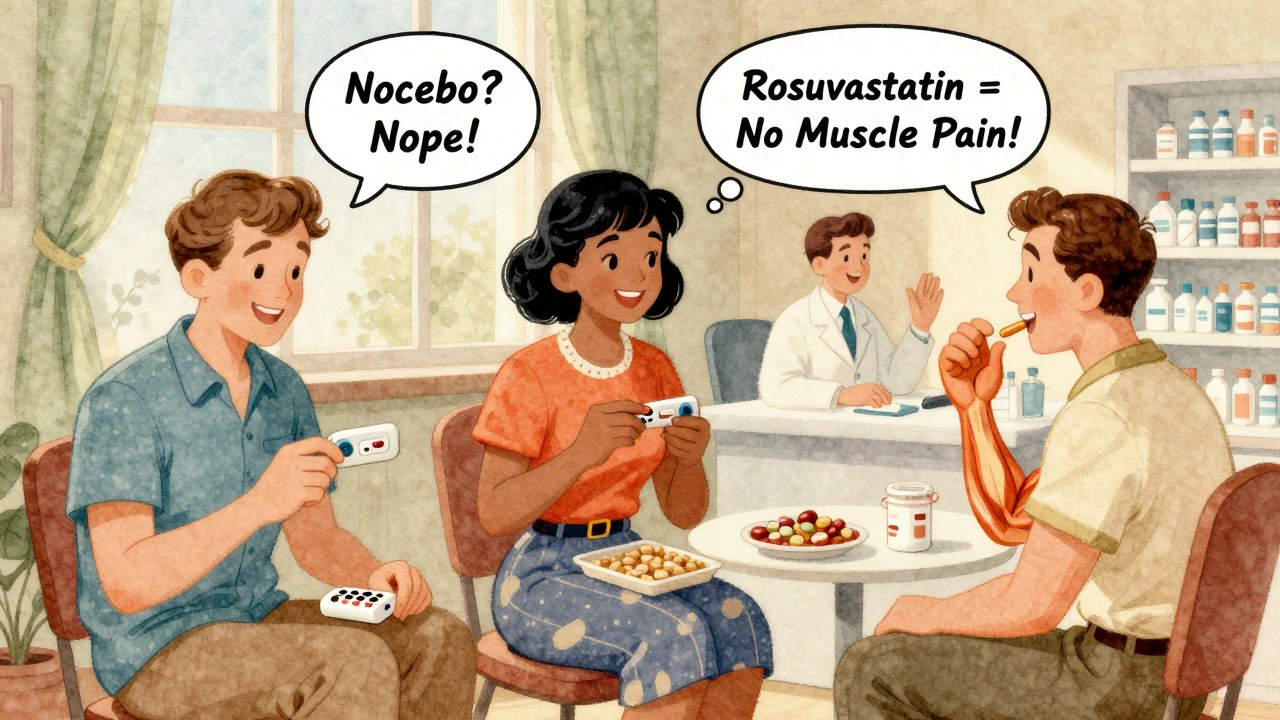
What Actually Works: Managing Side Effects the Right Way
The good news? Most side effects can be managed without quitting. A 2023 study in the Annals of Family Medicine showed that when doctors use the "teach-back" method-asking patients to repeat instructions in their own words-adherence improves by 32%. Pharmacists also play a huge role. Their medication therapy management programs reduce side effect-related discontinuations by 41%, according to the American Pharmacists Association. Patients who used digital tools like adherence apps or visual schedules cut unnecessary stops by 39%, per the Stepping Stone Center’s 2022 survey. And on Reddit’s r/Pharmacy, 47% of users said their side effects disappeared once they realized they were nocebo effects-symptoms caused by fear, not the drug. Real people have turned things around. One user on PatientsLikeMe stopped her antidepressant after feeling dizzy. After talking to her doctor, she switched to a different time of day and added a snack with her pill. The dizziness vanished. Another man thought his statin was wrecking his legs. His pharmacist switched him to rosuvastatin. Within two weeks, the pain was gone.When to Really Worry
Not every side effect is harmless. Some need immediate attention. Call your doctor or go to the ER if you experience:- Swelling of the face, lips, or throat
- Difficulty breathing
- Severe rash or blistering skin
- Yellowing of the skin or eyes (jaundice)
- Unexplained bruising or bleeding
- Sudden chest pain or irregular heartbeat
What to Do Next
If you’re on medication and worried about side effects:- Don’t stop. Not without talking to your doctor or pharmacist.
- Write down exactly what you’re feeling, when, and how bad.
- Ask: "Could this be a side effect-or is it my condition?"
- Ask: "Are there ways to reduce this?" (Food? Timing? Dose? Different drug?)
- Use a pill tracker app or calendar. Seeing your routine helps you spot real patterns.
Can side effects mean the medication isn’t working?
No. Side effects and effectiveness are separate. You can feel nauseous from an antibiotic and still be killing the infection. Or you can feel fine on a blood pressure pill and still be lowering your risk of stroke. Side effects don’t tell you if the drug is working-only your doctor can confirm that with tests or symptom tracking.
How long do medication side effects usually last?
Most common side effects-like nausea, dizziness, or fatigue-last a few days to two weeks as your body adjusts. If they persist beyond that, or get worse, talk to your provider. Rarely, some side effects appear after months, especially with long-term drugs like statins or antidepressants. Always report ongoing symptoms, even if you think they’re "normal."
Is it safe to take OTC painkillers with prescription meds?
Not always. Many prescription drugs interact with common OTC pain relievers. For example, mixing ibuprofen with blood thinners can increase bleeding risk. Acetaminophen with certain antidepressants can harm your liver. Always check with your pharmacist before combining any medications-even if they’re sold over the counter.
Can anxiety make side effects worse?
Yes. The nocebo effect is real. If you expect to feel sick from a pill, your brain can trigger real physical symptoms-even if the drug doesn’t cause them. Studies show people who believe they’ll get headaches from a placebo report headaches. That’s why understanding what’s normal-and what’s fear-matters so much.
What should I ask my pharmacist about side effects?
Ask: "What are the most common side effects?" "Are there ways to reduce them?" "What should I do if I miss a dose?" "Is there a different version of this drug that might be easier to tolerate?" Pharmacists are trained to help you manage side effects-not just hand out pills.

ashlie perry
December 5, 2025 AT 22:17So now the government and Big Pharma are telling us what to think about our own bodies? I stopped my statin because my legs felt like lead. Now you say it’s all in my head? I’ve seen too many people disappear after taking these pills. Don’t lie to me about nocebo effects. I know what I felt.
And don’t even get me started on antibiotics. My cousin died after finishing her course. They said it was ‘complications.’ I say it was the pills.
They don’t want you to question. They want you to obey.
Juliet Morgan
December 6, 2025 AT 08:31hey. i just wanted to say i read this and cried a little. last year i quit my antidepressant because i felt ‘zappy’ and tired. turned out i was just scared. my dr helped me switch the time i took it and added a snack. within a week, i felt like me again.
you’re not alone. and you don’t have to suffer in silence. talk to someone. even if it’s just a pharmacist. they’re the real heroes.
Norene Fulwiler
December 7, 2025 AT 11:28As a nurse in a rural clinic, I’ve seen this exact pattern repeat for 18 years. People stop meds because they’re scared. Then they come back worse. The myth that side effects = danger is killing people. Not the drugs. The fear.
We need more community education-not more fear-mongering. Pharmacists are trained to explain this stuff. But no one asks. They just Google and panic.
Let’s stop treating medication like witchcraft.
William Chin
December 8, 2025 AT 16:19It is imperative that the public be apprised of the fact that the cessation of pharmacological regimens without medical supervision constitutes a gross dereliction of personal responsibility. The statistical data presented herein are not merely suggestive-they are definitive. The notion that subjective discomfort supersedes evidence-based therapeutic protocols is not only scientifically unsound-it is morally indefensible.
One must ask: if individuals are permitted to self-diagnose and self-discontinue based on anecdotal sensation, what prevents them from rejecting vaccines, insulin, or anticoagulants? The erosion of medical authority is not a trend-it is a catastrophe.
Ada Maklagina
December 9, 2025 AT 09:39been on blood pressure meds for 3 years. first week felt like a zombie. now i barely notice them. the dizziness went away. turns out i just needed to take it at night with a banana.
weird how your body just… adjusts. if you’re scared, talk to someone. don’t just quit.
Harry Nguyen
December 11, 2025 AT 08:00Oh wow. Another ‘trust your doctor’ sermon from the pharmaceutical propaganda wing. Next you’ll tell me the moon landing was real and that the earth isn’t flat. My uncle took statins for five years. He got rhabdomyolysis. Now he’s on dialysis. You call that ‘0.9% difference’? I call it a death sentence wrapped in a clinical trial.
And don’t even get me started on the CDC. They told us masks worked. They told us ivermectin was useless. Now they’re telling us to swallow pills like obedient sheep. No thanks.
Katie Allan
December 12, 2025 AT 21:46This is exactly the kind of clarity we need. Too many people are told to ‘tough it out’ when they’re suffering, or to ‘just quit’ when they’re scared. But the truth is somewhere in between: listen to your body, but don’t let fear write your treatment plan.
Pharmacists aren’t just pill dispensers-they’re guides. Ask them. Write down your symptoms. Try small changes. You don’t have to suffer. And you don’t have to quit. There’s almost always a better way.
Thank you for this.
Deborah Jacobs
December 12, 2025 AT 21:59I used to think my antidepressant was making me feel like a ghost. Heavy eyelids, weird buzzing in my skull, zero motivation. I almost quit. Then I talked to my pharmacist-she asked me if I’d been drinking more coffee. Turns out I’d doubled my caffeine because I was ‘trying to stay awake.’ The meds weren’t the problem. The coffee was. Switched to decaf, took my pill with breakfast, and boom-my brain came back.
It’s not magic. It’s chemistry. And sometimes, the fix is dumb simple. Don’t assume the worst. Ask. Tweak. Try again.
Also, statins? I had muscle cramps. Switched to pravastatin. Zero issues. My legs didn’t hate me anymore. Who knew?
James Moore
December 14, 2025 AT 06:52It is an undeniable, irrefutable, and statistically verifiable fact-based on peer-reviewed meta-analyses, longitudinal cohort studies, and controlled randomized trials-that the nocebo effect, while often dismissed as ‘psychological,’ is in fact a neurophysiological phenomenon mediated by the anterior cingulate cortex and the amygdala’s heightened reactivity to perceived threat stimuli. In layman’s terms: if you think you’re gonna feel bad, your brain will manufacture the symptoms-even if the pill is sugar.
And yet, the public, steeped in the cult of ‘natural wellness’ and the romanticized myth of ‘listening to your body,’ refuses to accept that the body is not a mystical oracle-it is a biological machine, subject to chemical influence, cognitive bias, and environmental conditioning.
Therefore, to say ‘I feel bad, so I stop’ is not autonomy-it is ignorance dressed as empowerment. And the consequences? A 3.2x increase in recurrent cardiac events. A 17% rise in antimicrobial resistance. 35,000 preventable deaths per year.
It is not just irresponsible-it is a public health emergency of the highest order.
Kylee Gregory
December 15, 2025 AT 08:58It’s interesting how we treat medicine like it’s supposed to be perfect. But nothing in life is. Even the best treatments come with trade-offs. The goal isn’t to feel zero discomfort-it’s to feel better than before. Sometimes that means a few rough days. Sometimes it means switching pills. Sometimes it means just changing when you take it.
What matters is staying in the conversation-with your doctor, your pharmacist, your body. Not running away because it’s uncomfortable.
And honestly? The fact that we’re even having this conversation is a good sign. People are starting to care enough to question. That’s progress.
Lucy Kavanagh
December 16, 2025 AT 08:00Did you know the FDA approves drugs based on corporate-funded studies? And that the same companies that make the pills also pay the doctors who write the guidelines? I read a whistleblower report last year-90% of the ‘evidence’ behind statin safety was cherry-picked.
They call it ‘side effects’ to make it sound small. But what if your muscles just… melt? What if your liver gives out? What if you’re one of the 1%? Why should I be the guinea pig for their profit?
I’m not scared of pills. I’m scared of the system.
Chris Brown
December 16, 2025 AT 20:10It is morally reprehensible to suggest that individuals who suffer legitimate adverse reactions to pharmaceutical agents are merely victims of ‘the nocebo effect.’ This is not science-it is a euphemism for silencing dissent. I have seen families torn apart because a loved one was pressured to continue taking a drug that was slowly destroying them.
And now you want us to trust institutions that have lied about opioids, asbestos, and tobacco? No. I will not be complicit in this charade.
Real courage is walking away from a pill that makes you feel like death. Not obeying.
Stephanie Fiero
December 18, 2025 AT 16:01ok so i was skeptical too. took my anxiety med for 3 days and felt like i was gonna pass out. wanted to chuck it. but my dr said ‘try for 2 more weeks, and write down every time you feel off.’ i did. turns out i felt worst on days i skipped breakfast. i started eating toast with it. boom. no more nausea.
also, i used a pill tracker app. it showed me i was taking it at 2am. switched to 8am. life changed.
don’t quit. tweak. ask. try again. you got this.
Laura Saye
December 18, 2025 AT 16:44The phenomenological experience of pharmacological intervention is often conflated with therapeutic efficacy, yet they exist along distinct epistemic axes. The somatic sensations elicited by neurochemical modulation are not indicative of pathological deviation per se, but rather represent homeostatic recalibration-a transient dysregulation within the autonomic nervous system’s adaptive framework.
When patients conflate discomfort with failure, they inadvertently reinforce a binary paradigm of ‘safe’ versus ‘dangerous,’ which fails to account for the dynamic, non-linear nature of physiological adaptation. The therapeutic window is not a fixed point, but a trajectory shaped by individual pharmacokinetics, psychological expectancy, and temporal tolerance.
Therefore, discontinuation based on early somatic feedback constitutes a misinterpretation of the body’s language-a linguistic error, if you will, in the dialect of physiological signaling.
Engagement with clinical professionals, particularly pharmacists trained in medication therapy management, facilitates semantic clarification and restores alignment between patient perception and biological reality.