Triple-Negative Breast Cancer: What It Is, How It’s Treated, and What’s Next
When someone is diagnosed with triple-negative breast cancer, a subtype of breast cancer that lacks estrogen receptors, progesterone receptors, and HER2 protein. Also known as TNBC, it doesn’t respond to hormone therapy or drugs that target HER2, which makes treatment harder and often more aggressive. This form of breast cancer makes up about 10-15% of all cases, but it’s more common in younger women, Black women, and those with BRCA1 gene mutations.
Because it grows fast and spreads early, chemotherapy is usually the first line of defense. Unlike other breast cancers, you can’t rely on tamoxifen or Herceptin here—those just don’t work. Instead, doctors turn to drugs like doxorubicin, paclitaxel, or carboplatin. Recent studies show that adding immunotherapy, like pembrolizumab, can help some patients live longer, especially if their tumors have high levels of PD-L1. The BRCA mutations, genetic changes that increase cancer risk, especially in breast and ovarian tissue. Also known as BRCA1/BRCA2, these mutations are found in up to 20% of triple-negative cases and can guide treatment choices like PARP inhibitors. If you have a BRCA mutation, drugs like olaparib or talazoparib may be an option after chemotherapy.
Prognosis for triple-negative breast cancer is often worse in the first few years after diagnosis, but if you make it past five years without recurrence, your risk drops sharply. That’s why follow-up care and monitoring are so important. Research is moving fast: new targeted therapies, antibody-drug conjugates like sacituzumab govitecan, and personalized vaccine trials are giving hope to people who used to have few options. Even though this type of cancer is tough, it’s not a dead end—treatment is evolving, and survival rates are improving.
What you’ll find below are real, practical guides on how chemotherapy works for TNBC, what side effects to expect, how genetic testing changes your path, and what newer drugs are showing promise. These aren’t theory pieces—they’re clear, no-fluff breakdowns from people who’ve been there, doctors who treat it, and studies that actually moved the needle.
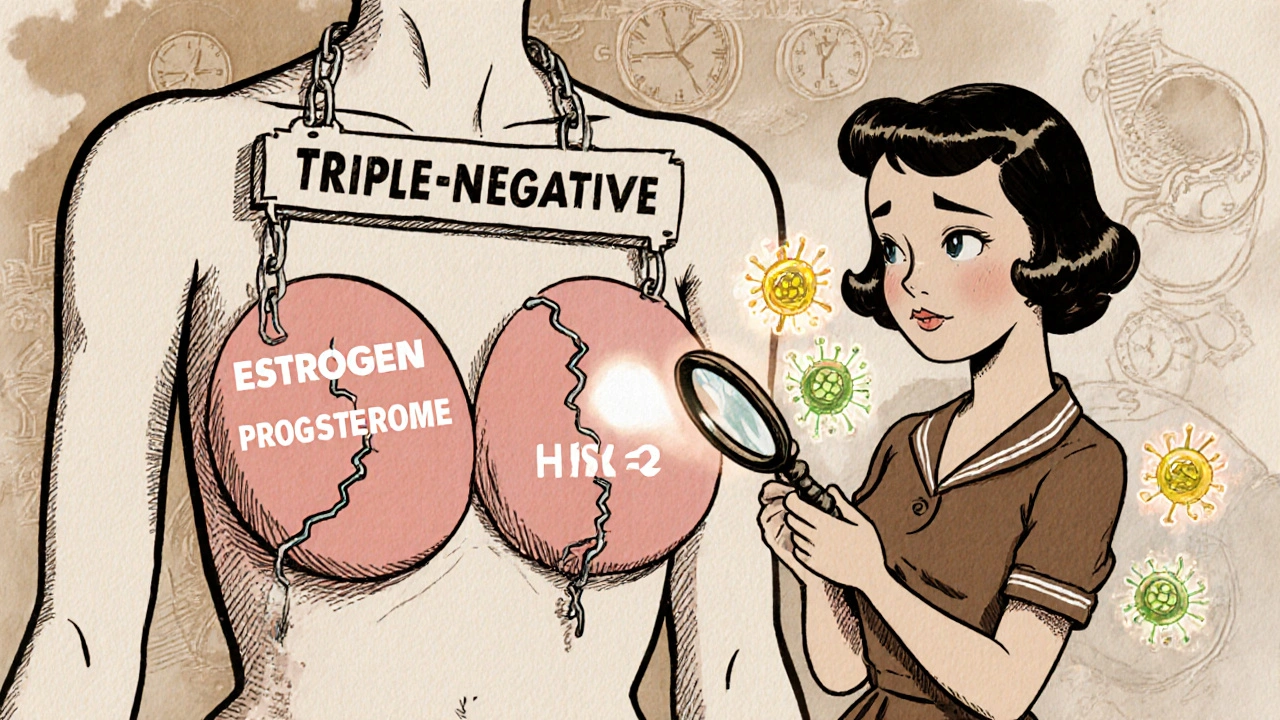
Triple-Negative Breast Cancer: Modern Treatment Strategies and Latest Clinical Trials
- 15 Comments
- Nov, 14 2025
Triple-negative breast cancer (TNBC) is an aggressive subtype with limited treatment options. In 2025, immunotherapy, PARP inhibitors, and antibody-drug conjugates are transforming care. New protocols reduce toxicity while improving outcomes, and personalized vaccines are showing promise in early trials.