Track and Trace in Pharmaceuticals: How It Keeps Your Medicines Safe
When you pick up a prescription, you expect it to be the right medicine, in the right dose, from a trusted source. That’s not just luck—it’s thanks to track and trace, a system that follows every pill from manufacturer to pharmacy using unique identifiers and digital records. Also known as pharmaceutical serialization, it’s now required in the U.S., EU, and many other countries to stop fake drugs from reaching patients. Without it, counterfeit medications—some laced with poison, others empty—could slip through the system unnoticed.
Track and trace isn’t just about barcodes on bottles. It’s a chain of digital checkpoints: the maker logs each batch, the distributor scans it at every transfer, and the pharmacy verifies it before handing it to you. This system links directly to drug supply chain, the network of manufacturers, wholesalers, and pharmacies that move medicines across the globe. If something looks off—like a package that’s been tampered with or a serial number that doesn’t match—the system flags it before it reaches your hands. That’s why carrying medications in original containers while traveling matters: those labels aren’t just for show—they’re part of this safety net.
This tech also helps when recalls happen. If a batch of blood pressure pills is found to contain a harmful contaminant, track and trace lets regulators find every single bottle fast—instead of guessing who might be affected. It cuts down waste, prevents panic, and saves lives. And it’s not just for prescription drugs. Even over-the-counter pain relievers and supplements are starting to use these systems as consumer demand for transparency grows.
Behind the scenes, this system relies on medication authenticity, the ability to prove a drug is genuine and hasn’t been altered or replaced. That’s why pharmacies now check licenses through state boards and why you should never buy pills from websites that don’t ask for a prescription. Fake meds often look perfect—but they lack the digital fingerprint that real ones carry.
What you’ll find in the posts below are real-world examples of how this system affects your health. From how to spot expired drugs that may have degraded during poor storage, to why carrying pills in original containers matters when flying, to how counterfeit drugs can slip through without proper tracking—these stories show why track and trace isn’t just a government rule. It’s your personal safety layer.
Lot Numbers and Serial Codes: How Track-and-Trace Stops Counterfeit Drugs
- 15 Comments
- Dec, 5 2025
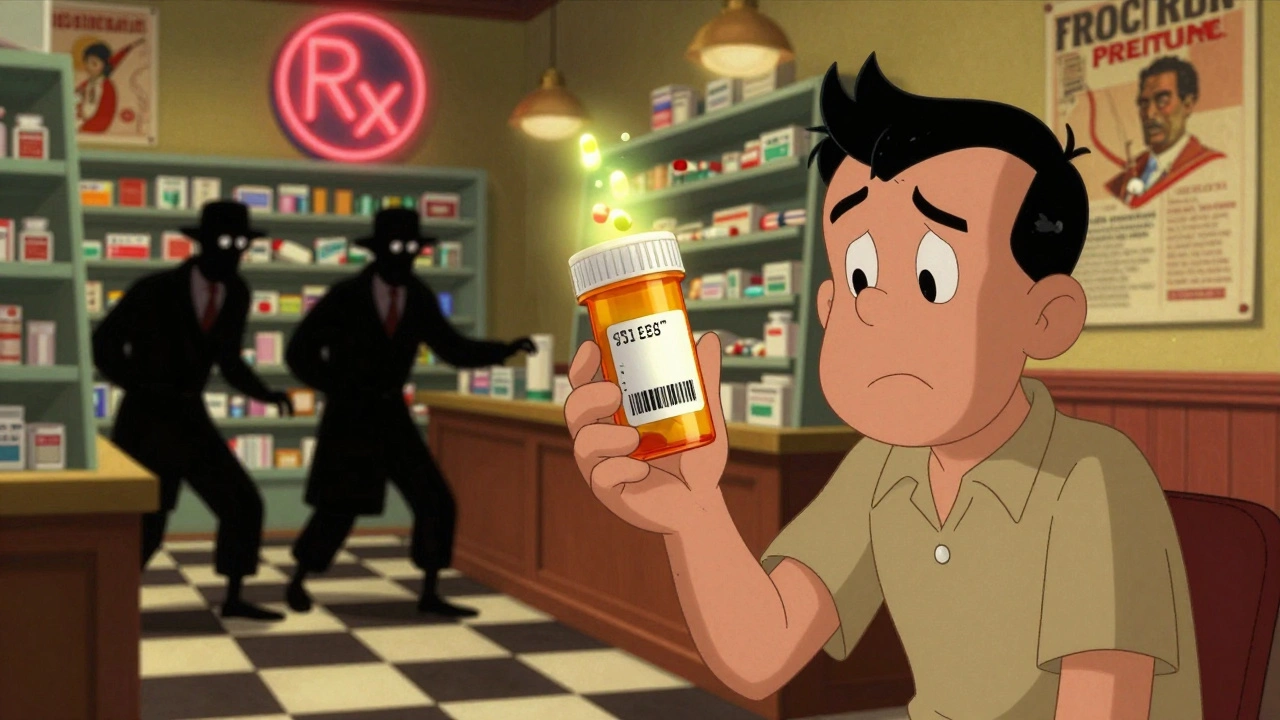
Lot numbers and serial codes are critical tools in stopping counterfeit drugs. Learn how track-and-trace systems work, why they’re legally required, and what you can do to protect yourself from fake medicine.