TNBC Treatment: What Works, What’s New, and Where to Find Help
When someone hears TNBC treatment, Triple-negative breast cancer is an aggressive form of breast cancer that doesn’t respond to hormone therapies or HER2-targeted drugs, making it harder to treat than other types. Also known as triple-negative breast cancer, it accounts for about 10-15% of all breast cancers and often hits younger women harder, with fewer treatment options at first glance. That doesn’t mean hope is gone—it just means the approach is different.
TNBC treatment relies heavily on chemotherapy, A systemic drug treatment that kills fast-growing cells, often the first line of defense for TNBC because it doesn’t depend on hormone receptors. Also known as chemo, it’s the backbone of most treatment plans, especially before surgery to shrink tumors or after to lower recurrence risk. But it’s not the only tool anymore. immunotherapy, A treatment that helps the body’s own immune system recognize and attack cancer cells, now approved for certain TNBC patients with PD-L1 positive tumors. Also known as checkpoint inhibitors, it’s changed the game for those who respond, offering longer survival in some cases. Drugs like pembrolizumab are now used alongside chemo in early-stage and metastatic TNBC, and clinical trials are testing combinations that could work even better.
What you won’t find in TNBC treatment are the usual hormone blockers like tamoxifen or aromatase inhibitors—they just don’t work here. And while targeted drugs like PARP inhibitors (olaparib, talazoparib) help some patients with BRCA gene mutations, they’re only for a subset. That’s why knowing your tumor’s genetic profile matters. Testing for BRCA1/2, PD-L1, and other markers isn’t optional—it’s essential to pick the right path.
Side effects from chemo and immunotherapy can be rough—fatigue, nausea, nerve pain, lowered immunity—but they’re often manageable. Many patients also turn to supportive care: nutrition, gentle exercise, mental health support. These aren’t alternatives to treatment, but they’re part of the fight. The goal isn’t just to kill cancer—it’s to keep you living well while you do it.
You’ll find posts here that break down exactly how chemo regimens like AC-T or TC work for TNBC, how immunotherapy fits into the timeline, what new drugs are in the pipeline, and how real patients are managing side effects. There’s no fluff, no vague promises—just clear, practical info on what’s working today and what’s coming next. If you’re facing TNBC treatment, or supporting someone who is, this collection gives you the facts you need to ask better questions and make smarter choices.
Triple-Negative Breast Cancer: Modern Treatment Strategies and Latest Clinical Trials
- 15 Comments
- Nov, 14 2025
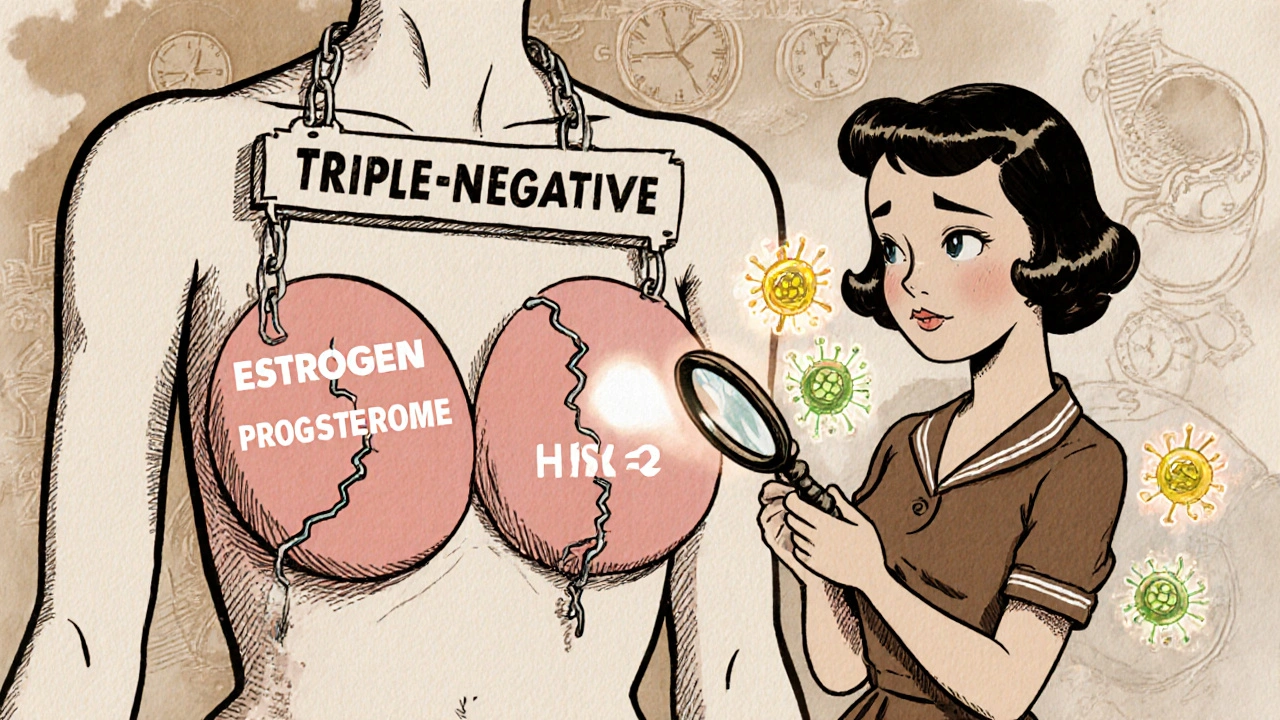
Triple-negative breast cancer (TNBC) is an aggressive subtype with limited treatment options. In 2025, immunotherapy, PARP inhibitors, and antibody-drug conjugates are transforming care. New protocols reduce toxicity while improving outcomes, and personalized vaccines are showing promise in early trials.