Statin Side Effects: What You Need to Know Before Taking Cholesterol Drugs
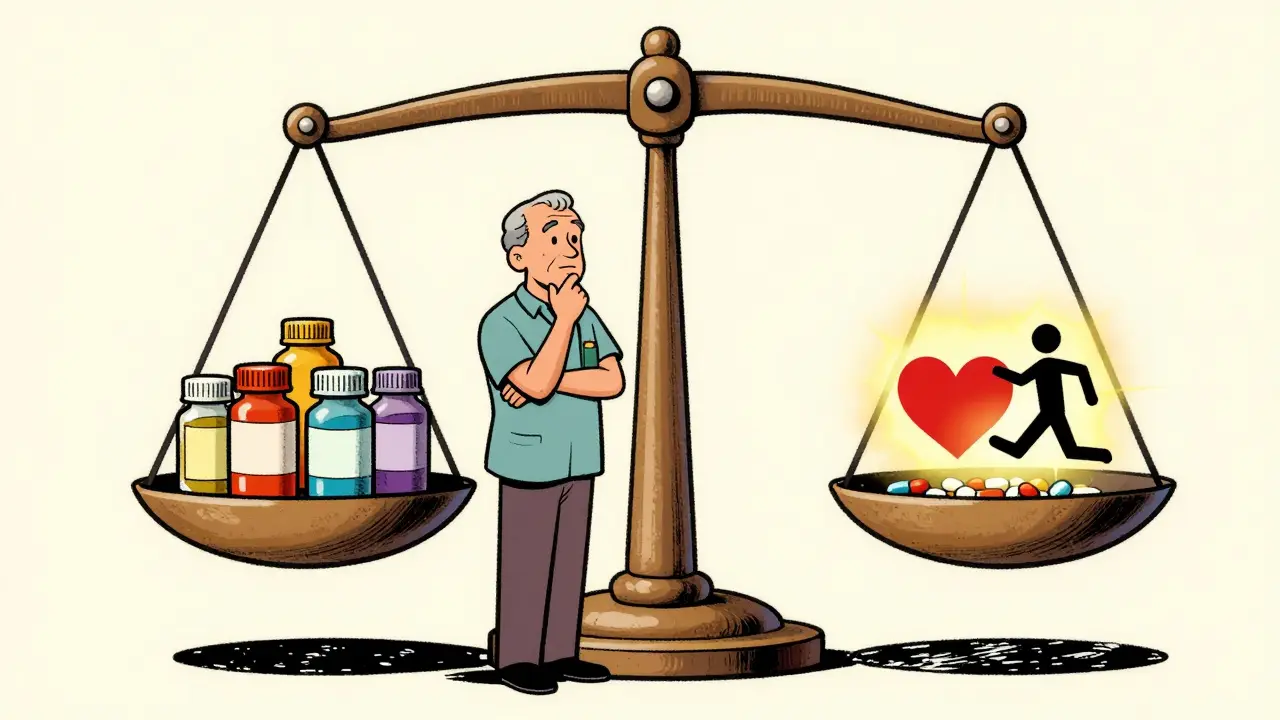
When you take a statin, a class of drugs used to lower LDL cholesterol by blocking liver enzyme activity. Also known as HMG-CoA reductase inhibitors, they’re among the most prescribed medications in the world because they cut heart attack risk by up to 30% in high-risk people. But for every person who benefits, another deals with side effects that make them question whether the trade-off is worth it.
Most people think statin side effects mean muscle pain — and they’re right. About 10% of users report muscle aches, weakness, or cramps, especially in the thighs or shoulders. But here’s what most don’t know: true muscle damage (rhabdomyolysis) is extremely rare — less than 1 in 10,000. More often, the pain is mild, gets worse with activity, and improves when you stop the drug. It’s not always the statin. Low vitamin D, thyroid issues, or even just aging can mimic the same symptoms. Your doctor should check your CK levels and thyroid function before blaming the medication.
Another big concern is liver damage, a potential side effect where statins cause elevated liver enzymes. This shows up on blood tests, but it rarely means real harm. Most of the time, enzyme levels rise slightly, then go back to normal without stopping the drug. Only if they climb above three times the normal level — and you have symptoms like yellow skin or dark urine — should you worry. Many doctors now skip routine liver tests unless you have existing liver disease or drink heavily.
Then there’s diabetes risk, a small but real increase in new-onset type 2 diabetes with long-term statin use. Studies show it’s about a 9-12% higher chance over five years — mostly in people already at risk due to obesity, prediabetes, or metabolic syndrome. But here’s the catch: the heart benefits still far outweigh this risk. If you’re on a statin for high cholesterol and have other risk factors for heart disease, skipping it because of this small chance of diabetes is like refusing a seatbelt because you might get a bruise.
Some people also report brain fog or memory issues. The FDA added a warning about this in 2012 after a few case reports. But large studies haven’t found a clear link. If you notice trouble remembering names or focusing after starting a statin, try switching brands — some people react differently to atorvastatin vs. rosuvastatin vs. simvastatin. Often, the problem goes away.
And don’t forget drug interactions, when statins mix dangerously with other meds like certain antibiotics, antifungals, or grapefruit juice. For example, taking simvastatin with clarithromycin can spike statin levels and increase muscle damage risk. Always tell your pharmacist every pill you take — even over-the-counter ones. Grapefruit juice? It’s not just a myth. One glass a day can double the amount of some statins in your blood.
What you won’t find in most doctor’s office brochures? Many side effects are psychological. People hear about muscle pain from a friend, then start feeling it themselves — even if they’re on a placebo. That’s the nocebo effect. But that doesn’t make the pain any less real. The key is to work with your doctor to test, adjust, or switch — not just quit.
Below, you’ll find real stories and science-backed advice on how to handle statin side effects without giving up on heart protection. From natural alternatives that help lower cholesterol to what to do when your muscles hurt, these posts give you the tools to make smart, personal choices — not just follow a script.
Common Myths About Medication Side Effects Debunked
- 14 Comments
- Dec, 4 2025
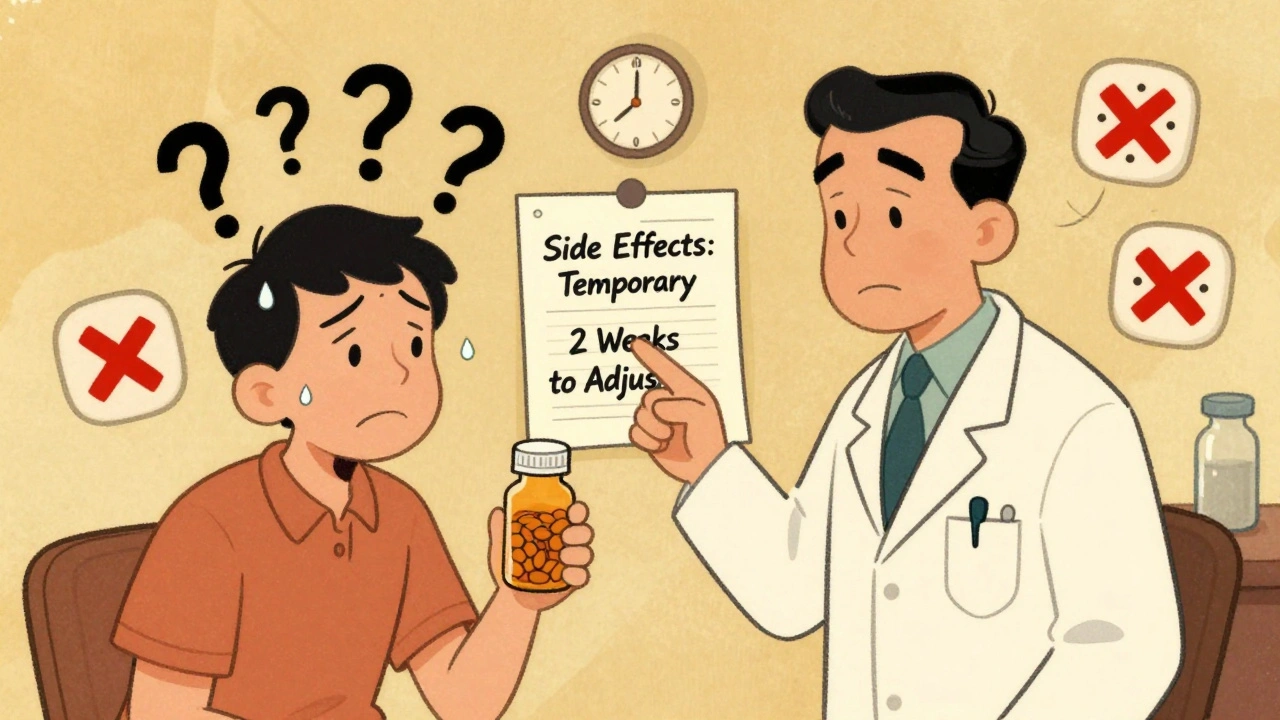
Many people stop taking medications because of myths about side effects-but most are manageable. Learn the truth about antibiotics, statins, OTC painkillers, and more, backed by science and real patient data.