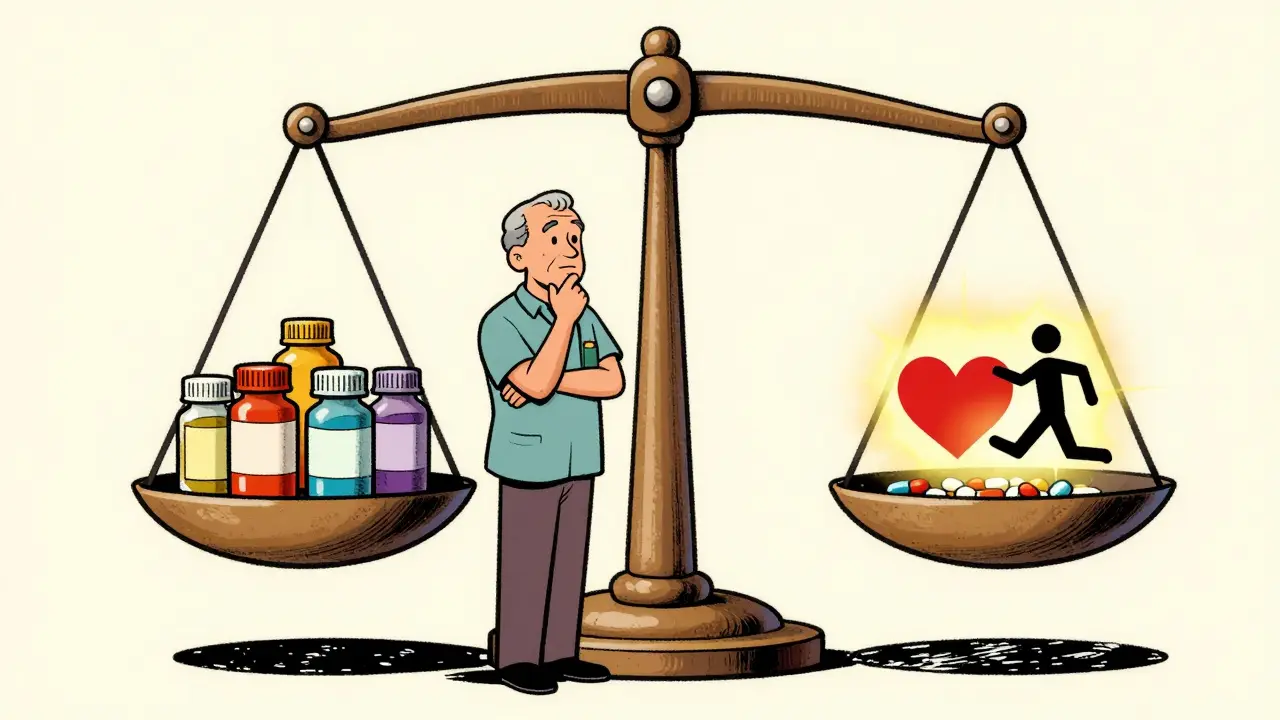
Rifampin Side Effects: What You Need to Know Before Taking It
When you take rifampin, a powerful antibiotic used to treat tuberculosis and prevent meningitis exposure. Also known as Rifadin, it’s one of the few drugs that can kill TB bacteria quickly—but it doesn’t come without risks. Many people don’t realize how deeply rifampin affects their body, not just as an antibiotic, but as a major player in liver metabolism. It forces your liver to work harder, which can lead to serious problems if you’re already on other meds.
One of the most common side effects is harmless but startling: your urine, sweat, tears, and even contact lenses turn orange or red. It’s not a sign something’s wrong—it’s just how rifampin leaves your body. But other signs aren’t so easy to ignore. Yellow skin or eyes, dark urine, or constant nausea could mean your liver is under stress. Studies show up to 1 in 10 people on long-term rifampin develop elevated liver enzymes, and a small number end up with drug-induced hepatitis. If you’re also taking isoniazid, birth control, or blood thinners, the risk goes up fast. Rifampin speeds up how your body breaks down other drugs, making them less effective—or sometimes more toxic.
It’s not just about the liver. Some people get rashes, joint pain, or flu-like symptoms. Rarely, it triggers a severe immune reaction called drug fever or even anaphylaxis. And if you’ve ever been told you’re allergic to penicillin, don’t assume that means you’re safe with rifampin—they’re completely different drugs, but both can cause unexpected reactions. The key is knowing your own body and tracking changes. If you start feeling off after starting rifampin, don’t wait. Call your doctor. Don’t stop the drug on your own—TB can come back stronger if you do.
What you’ll find below are real stories and facts from people who’ve taken rifampin, what went wrong, what didn’t, and how to avoid the most common mistakes. From how to spot early signs of liver trouble to which meds you absolutely shouldn’t mix with it, these posts give you the practical, no-fluff advice you need to stay safe while treating serious infections.
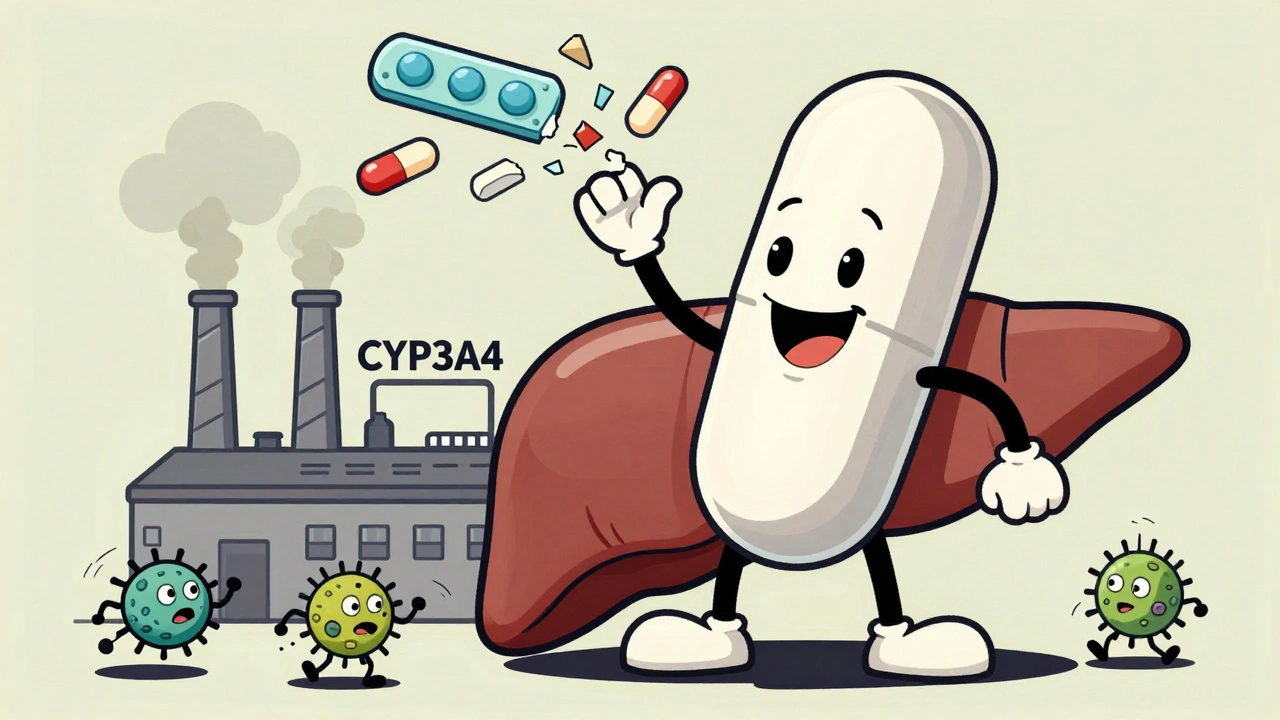
Tuberculosis Medications: Rifampin Induction and Multiple Drug Interactions
- 9 Comments
- Dec, 7 2025
Rifampin is essential for treating tuberculosis, but its powerful effect on liver enzymes can reduce the effectiveness of many common medications. Learn how to avoid dangerous interactions and why treatment must last six months.