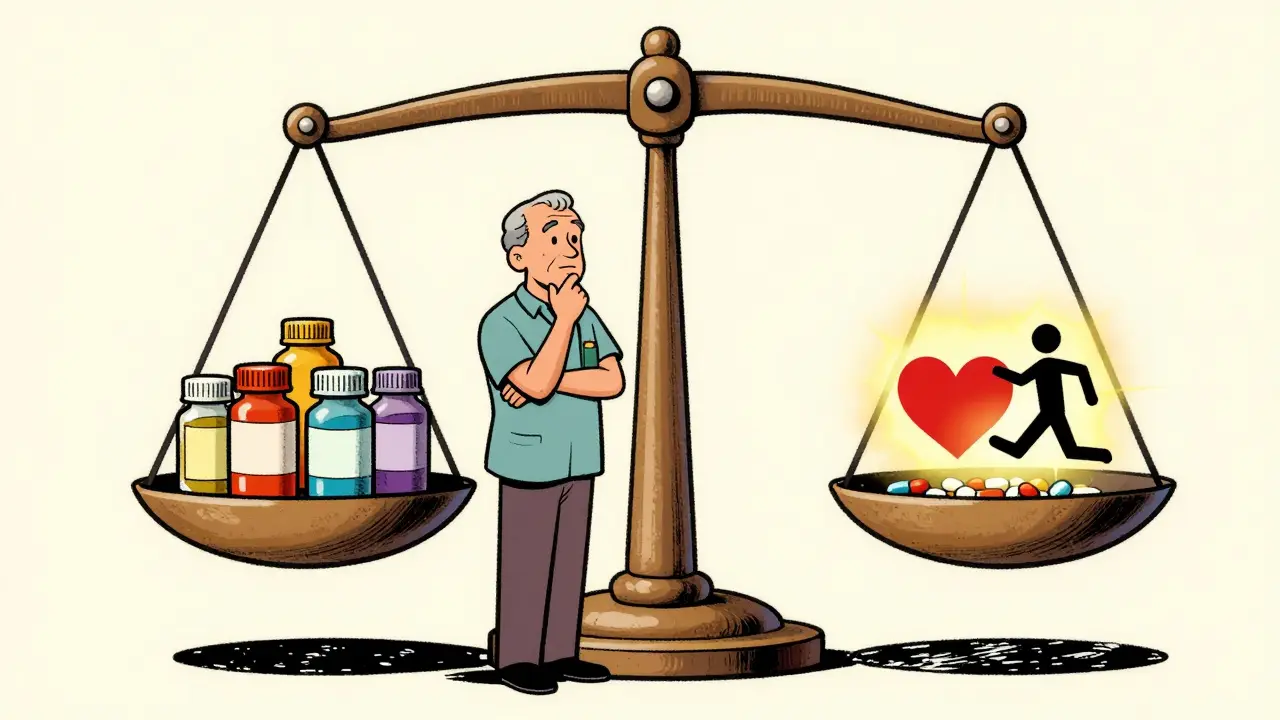
Rifampin and CYP3A4: How This Antibiotic Affects Your Other Medications
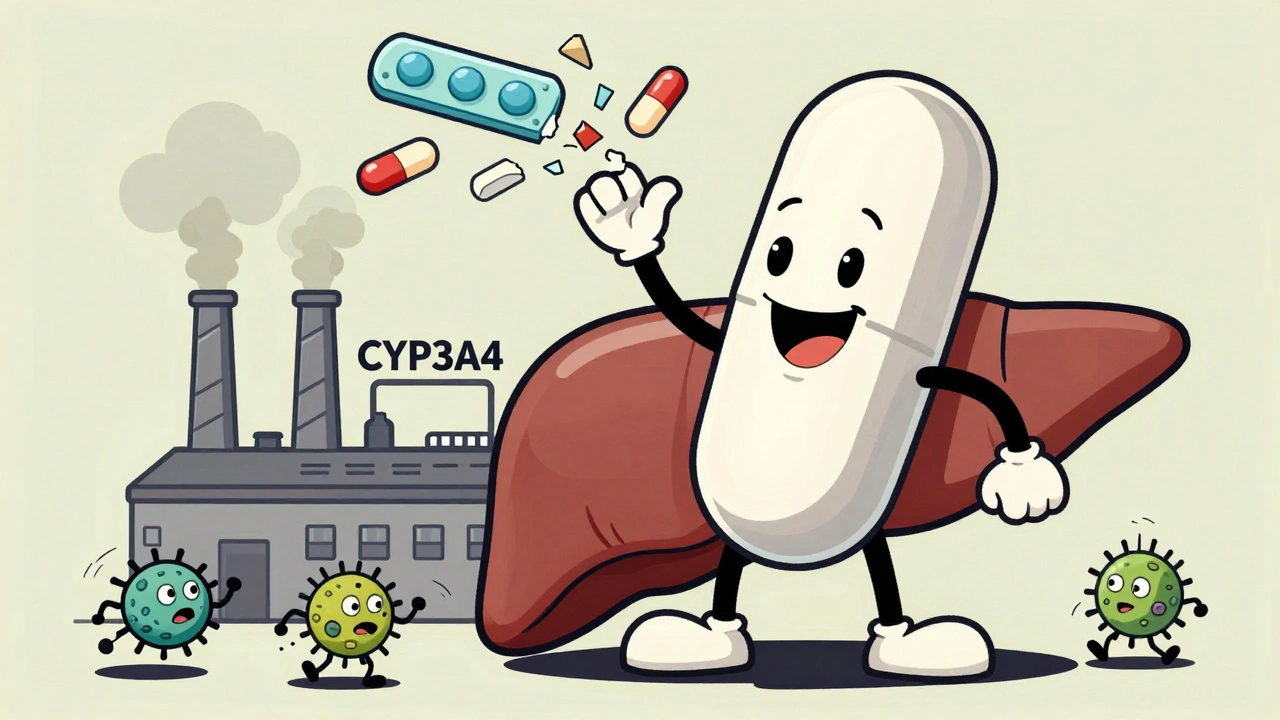
When you take rifampin, a powerful antibiotic used to treat tuberculosis and prevent meningitis exposure. Also known as Rifadin, it works by killing bacteria—but it also forces your liver to go into overdrive. That overdrive is tied to something called CYP3A4, a key enzyme in your liver that breaks down over half of all prescription drugs. Think of CYP3A4 as a busy factory worker. Rifampin doesn’t just ask it to work faster—it hands the worker a megaphone and tells them to double their output. And that’s where things get risky.
When CYP3A4 gets overstimulated by rifampin, it starts breaking down other medications too fast. That means drugs like birth control pills, blood thinners, antivirals, statins, and even some antidepressants lose their power. A woman on birth control might get pregnant. Someone on warfarin could develop a clot. A person taking an HIV med might see their viral load spike. These aren’t rare cases—they’re predictable outcomes. Studies show rifampin can slash blood levels of some drugs by 80% or more. It’s not a side effect. It’s a system-wide reset.
And it’s not just about what you’re taking now. Rifampin’s effects last days after you stop. If you’re switching from rifampin to another drug, your doctor needs to know you were on it—even if it was weeks ago. That’s why pharmacists flag rifampin in your profile. That’s why your doctor checks every medication you’re on before prescribing it. This isn’t just about avoiding bad reactions. It’s about keeping your treatment plan from falling apart.
Some people think if a drug works fine for a few days, rifampin isn’t a problem. But the damage builds quietly. You might feel fine while your cholesterol climbs, your blood sugar spikes, or your seizure control slips. By the time you notice something’s wrong, it’s often too late to fix it easily.
That’s why the posts below cover real-world cases: how rifampin interferes with common prescriptions, what safer alternatives exist, how to spot when your meds aren’t working like they should, and what to ask your pharmacist before you start or stop any drug. You’ll find stories from people who thought they were safe—until their birth control failed, their pain meds stopped working, or their cholesterol shot up. These aren’t hypotheticals. They’re lessons learned the hard way. And they’re the kind of info you won’t get from a quick Google search. You need to know this before you take another pill.
Tuberculosis Medications: Rifampin Induction and Multiple Drug Interactions
- 9 Comments
- Dec, 7 2025
Rifampin is essential for treating tuberculosis, but its powerful effect on liver enzymes can reduce the effectiveness of many common medications. Learn how to avoid dangerous interactions and why treatment must last six months.