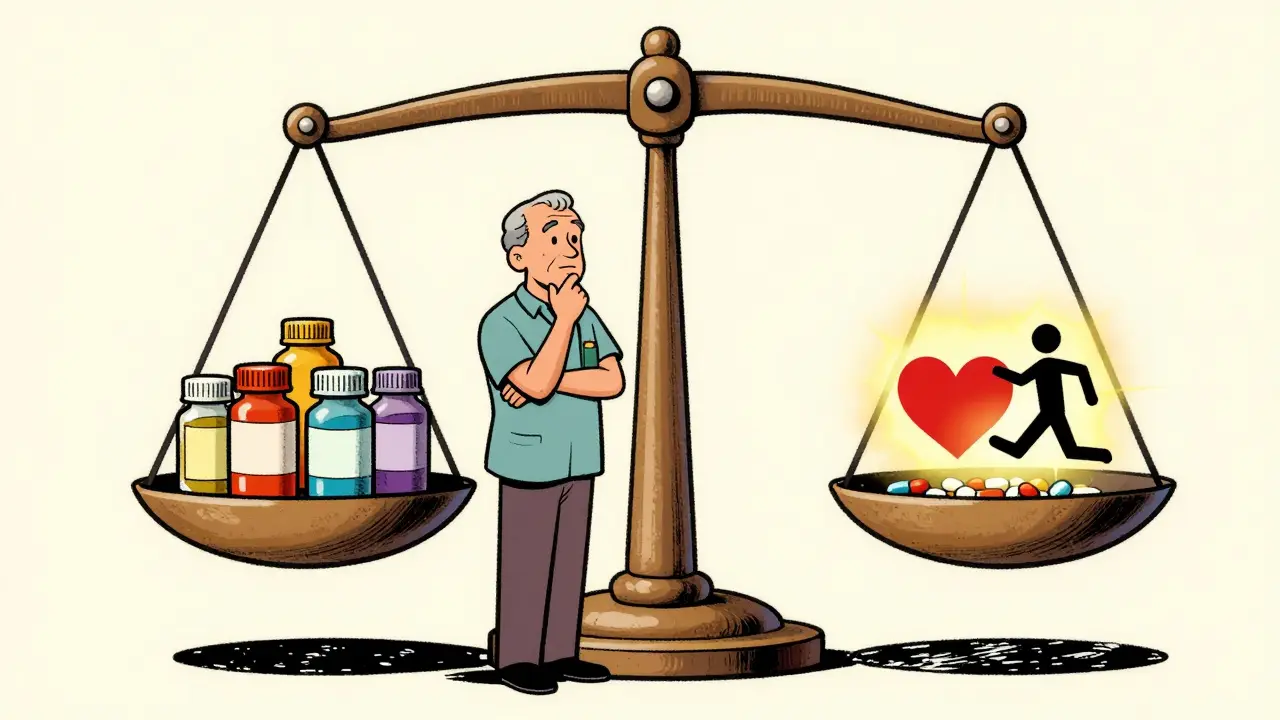
NSAIDs and Pregnancy: Risks, Alternatives, and What You Need to Know
When you're pregnant, even a simple headache or sore back can make you question every medication you reach for. NSAIDs, nonsteroidal anti-inflammatory drugs like ibuprofen and naproxen used for pain and inflammation. Also known as non-opioid painkillers, they’re common in medicine cabinets—but not always safe during pregnancy. Many women take them without thinking, especially in early pregnancy, but the risks change as your body changes. The FDA and major medical groups warn against using NSAIDs after 20 weeks because they can cause serious problems in the developing baby’s kidneys and heart.
Here’s the thing: ibuprofen, a widely used NSAID sold under brands like Advil and Motrin, isn’t just a painkiller—it’s a drug that affects blood flow to the fetus. Around week 20, it can reduce amniotic fluid, lead to premature closure of a fetal heart vessel, and even delay labor. Even if you took it before you knew you were pregnant, don’t panic—but do talk to your doctor. acetaminophen, the most commonly recommended pain reliever during pregnancy, is still the go-to for most mild to moderate discomfort. It doesn’t carry the same risks as NSAIDs, and studies show it’s safe when used as directed.
What about back pain, migraines, or arthritis flare-ups? You’re not alone in needing relief. But swapping NSAIDs doesn’t mean you have to suffer. Physical therapy, heat packs, prenatal yoga, and even acupuncture can help manage pain without drugs. If you’re on long-term NSAIDs for a condition like rheumatoid arthritis, your doctor can adjust your treatment plan to keep you and your baby safe. The key is planning, not guessing.
The posts below cover everything from how NSAIDs affect fetal development to real stories from moms who had to switch pain relief strategies. You’ll find clear comparisons between acetaminophen and NSAIDs, warnings about timing and dosage, and what to do if you’ve already taken them. No fluff. No scare tactics. Just facts you can use—whether you’re trying to conceive, in your second trimester, or just worried about a pill you took last week.
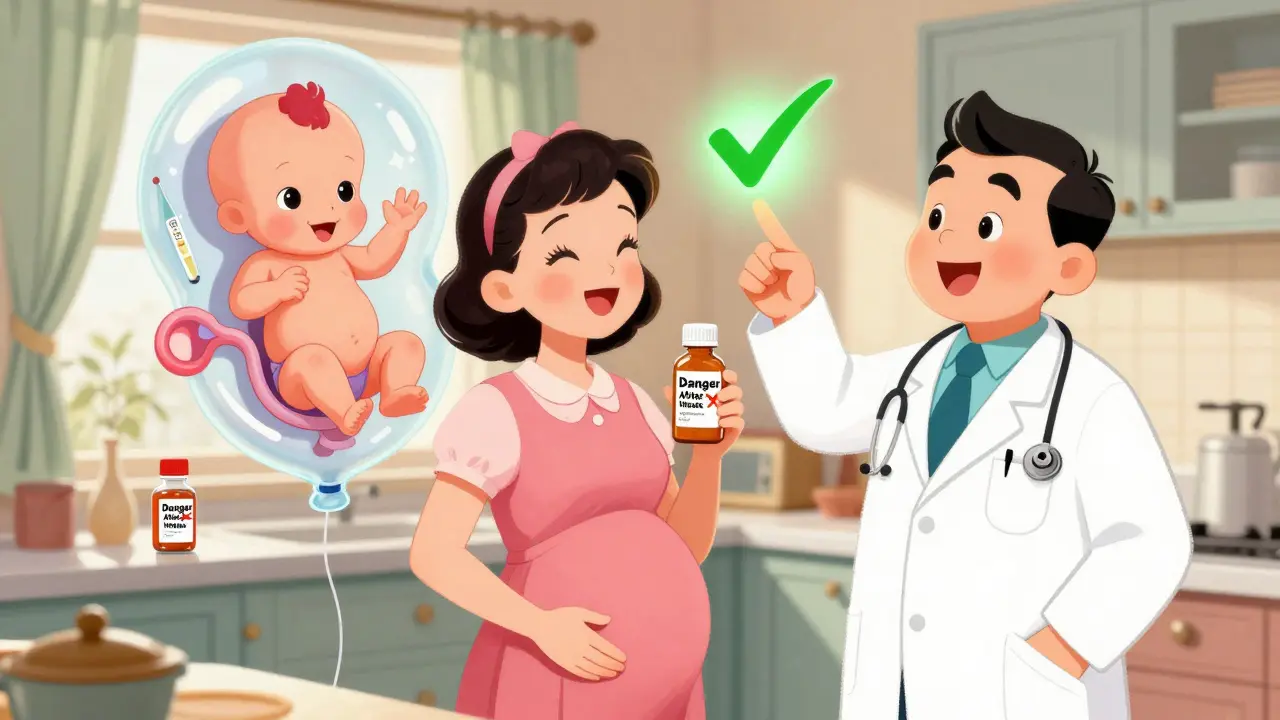
Acetaminophen and NSAIDs in Pregnancy: What You Need to Know by Trimester
- 10 Comments
- Jan, 14 2026
Learn the safest pain relief options during pregnancy by trimester. Acetaminophen is safe throughout; NSAIDs like ibuprofen must be avoided after 20 weeks. Know the risks, benefits, and what to do if you’ve taken the wrong medicine.
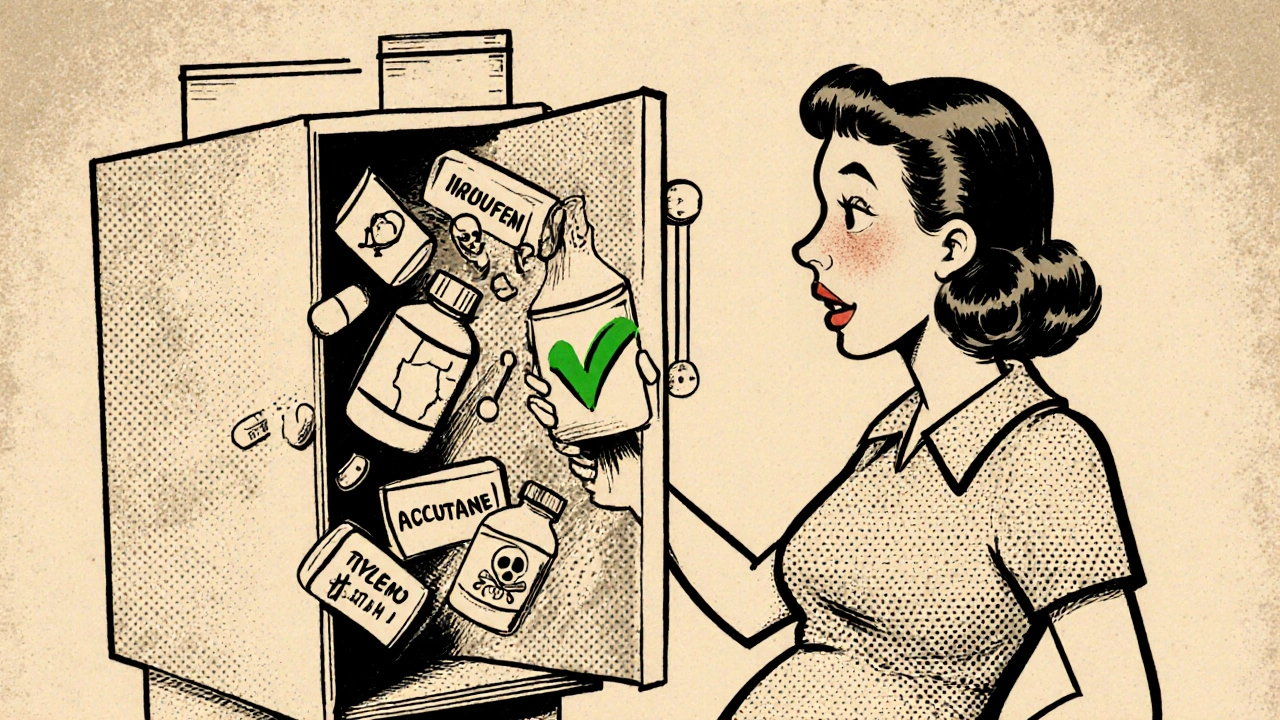
Medications to Avoid While Pregnant: Safety Warnings and Safe Alternatives
- 11 Comments
- Nov, 23 2025
Learn which medications to avoid during pregnancy, including NSAIDs, acetaminophen risks, and unsafe antibiotics. Discover safe alternatives for pain, allergies, and chronic conditions backed by 2025 guidelines.