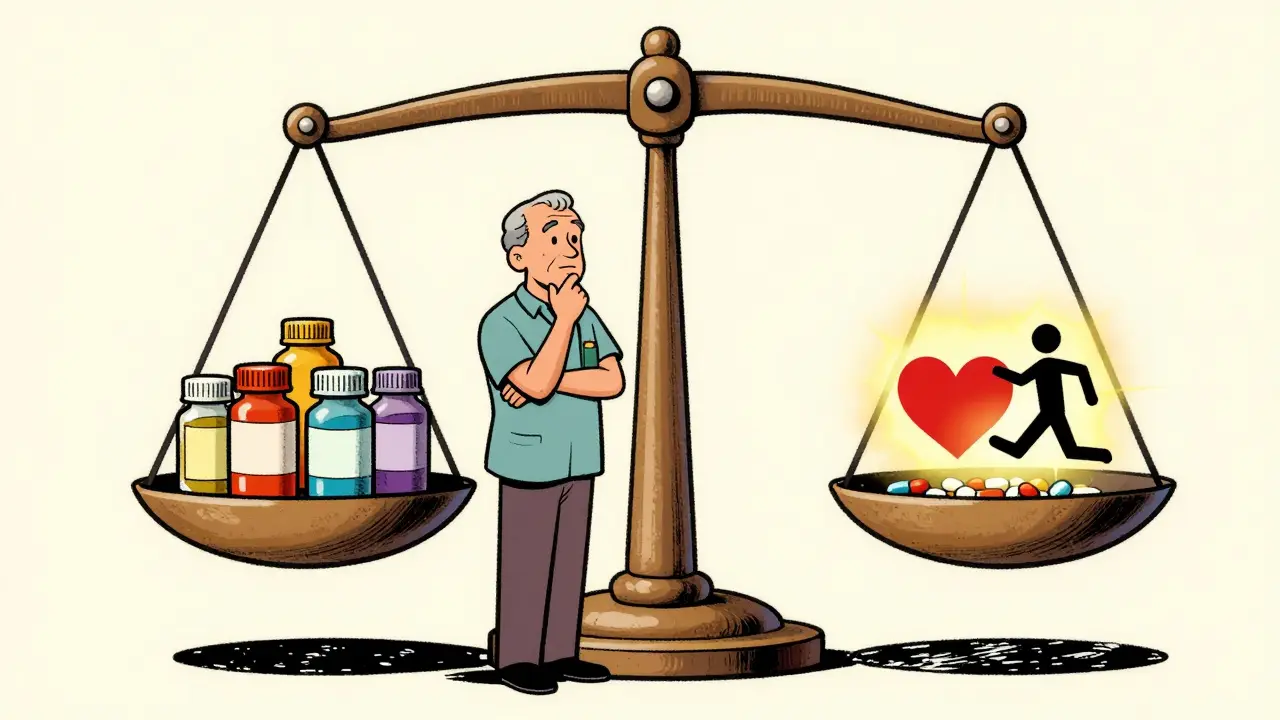
Lot Numbers: What They Are and Why They Matter for Your Medications
When you pick up a prescription or buy an over-the-counter pill, the lot number, a unique identifier assigned to a specific batch of medication during manufacturing. Also known as batch code, it’s not just a random string—it’s your medication’s fingerprint. If something goes wrong—like a recall, contamination, or unexpected side effect—this number lets regulators and pharmacies trace exactly which pills came from which factory, when, and where. Without it, a single bad batch could hurt hundreds or thousands of people before anyone even knows.
Lot numbers appear on the bottle, box, or blister pack, usually near the expiration date. They’re not meant for you to memorize, but they’re critical to check if your drug is part of a recall. In 2022, the FDA recalled over 1,200 medication lots due to contamination, incorrect dosing, or degraded ingredients. Most of those recalls happened because someone noticed a problem—and the lot number made it possible to act fast. If you’re on a chronic medication like blood pressure pills or insulin, knowing how to find and record your lot number could save your life. It’s also why carrying meds in original containers matters: that’s where the lot number lives, along with the pharmacy label and expiration date.
Related to lot numbers are drug expiration, the date after which a medication may lose potency or become unsafe, and pharmacy traceability, the system that links prescriptions to manufacturing records. These aren’t just bureaucratic terms—they’re safety nets. A lot number that’s faded or missing? That’s a red flag. A pill that looks discolored, smells odd, or feels crumbly? Check the lot number against recall lists. You can’t always tell a bad pill by sight, but the lot number gives you a direct line to the manufacturer’s records. And if you ever need to report a bad reaction, having that number ready helps the FDA connect the dots faster.
Below, you’ll find real-world stories and guides on how lot numbers tie into everything from expired drugs and medication safety to recalls and travel rules. Whether you’re managing a chronic condition, caring for a child, or just trying to avoid a bad batch, knowing how to use this simple code makes you a smarter, safer patient.
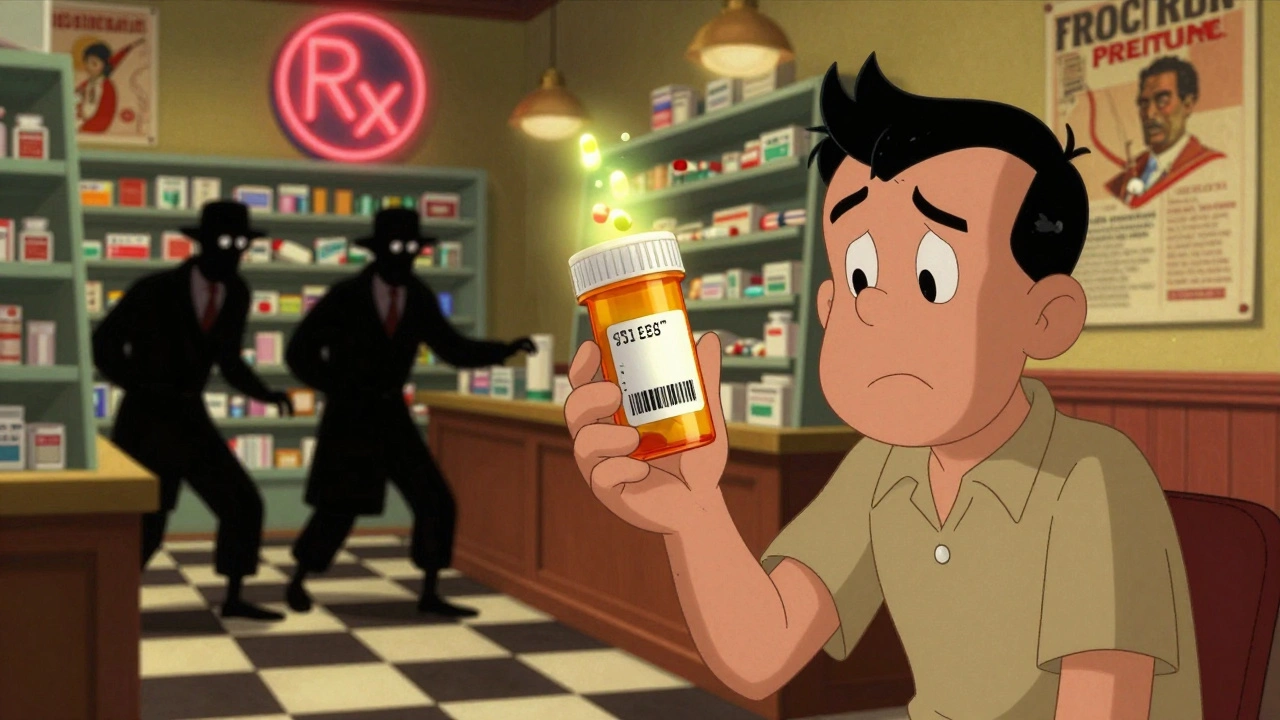
Lot Numbers and Serial Codes: How Track-and-Trace Stops Counterfeit Drugs
- 15 Comments
- Dec, 5 2025
Lot numbers and serial codes are critical tools in stopping counterfeit drugs. Learn how track-and-trace systems work, why they’re legally required, and what you can do to protect yourself from fake medicine.