Immunotherapy for TNBC: What Works, What’s New, and What to Expect
When it comes to immunotherapy for TNBC, a treatment that helps the body’s own immune system fight triple-negative breast cancer. Also known as cancer immunotherapy, it’s one of the few options that actually targets the disease’s biology instead of just killing fast-growing cells. Unlike hormone therapies or chemo, immunotherapy doesn’t attack cancer directly—it removes the brakes on your immune system so it can find and destroy tumor cells on its own.
This approach works best in triple-negative breast cancer, a subtype that lacks estrogen, progesterone, and HER2 receptors, making it resistant to common targeted treatments. Because it doesn’t respond to standard hormone blockers, doctors turned to immunotherapy as a lifeline. The most common drugs used are PD-1 inhibitors, a class of checkpoint inhibitors that block proteins cancer cells use to hide from immune cells. Drugs like pembrolizumab and nivolumab have shown real results in clinical trials, especially when paired with chemotherapy before surgery.
Not everyone with TNBC benefits from this treatment. Doctors now test tumors for PD-L1 protein levels—a biomarker that helps predict who’s more likely to respond. If the test is positive, immunotherapy can extend survival and even lead to complete remission in some cases. But it’s not magic. Side effects like fatigue, skin rashes, and autoimmune reactions can happen because the immune system gets overactive. That’s why monitoring is key.
What’s exciting is how fast this field is moving. New combinations are being tested—like pairing PD-1 inhibitors with other immune boosters or targeted drugs. Clinical trials are also exploring whether immunotherapy can be used earlier, even before surgery, to shrink tumors and reduce recurrence risk. For patients who’ve tried chemo and seen it fail, this is more than hope—it’s a new path forward.
Below, you’ll find real-world insights from studies and patient experiences that show how immunotherapy for TNBC is being used today. You’ll see what works, what doesn’t, and what’s on the horizon—no fluff, just clear facts from the latest research and practical guides.
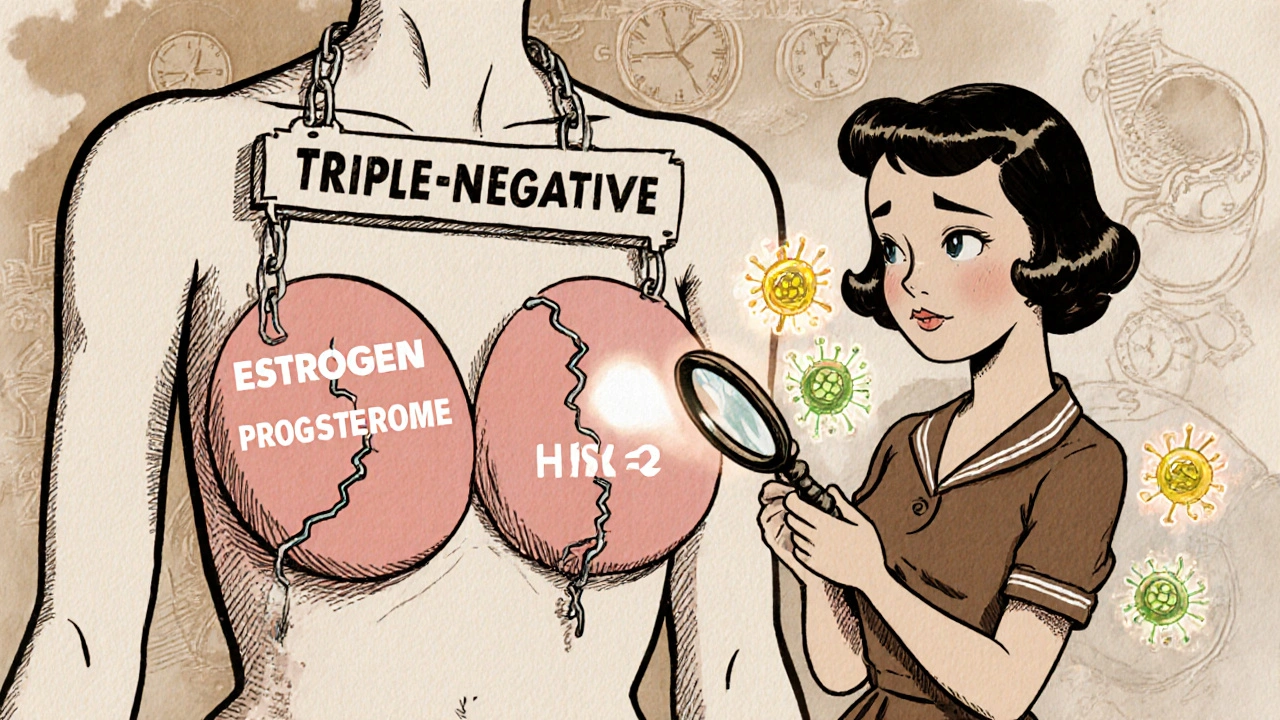
Triple-Negative Breast Cancer: Modern Treatment Strategies and Latest Clinical Trials
- 15 Comments
- Nov, 14 2025
Triple-negative breast cancer (TNBC) is an aggressive subtype with limited treatment options. In 2025, immunotherapy, PARP inhibitors, and antibody-drug conjugates are transforming care. New protocols reduce toxicity while improving outcomes, and personalized vaccines are showing promise in early trials.