Cataplexy Diagnosis: What It Is, How It's Confirmed, and What Comes Next
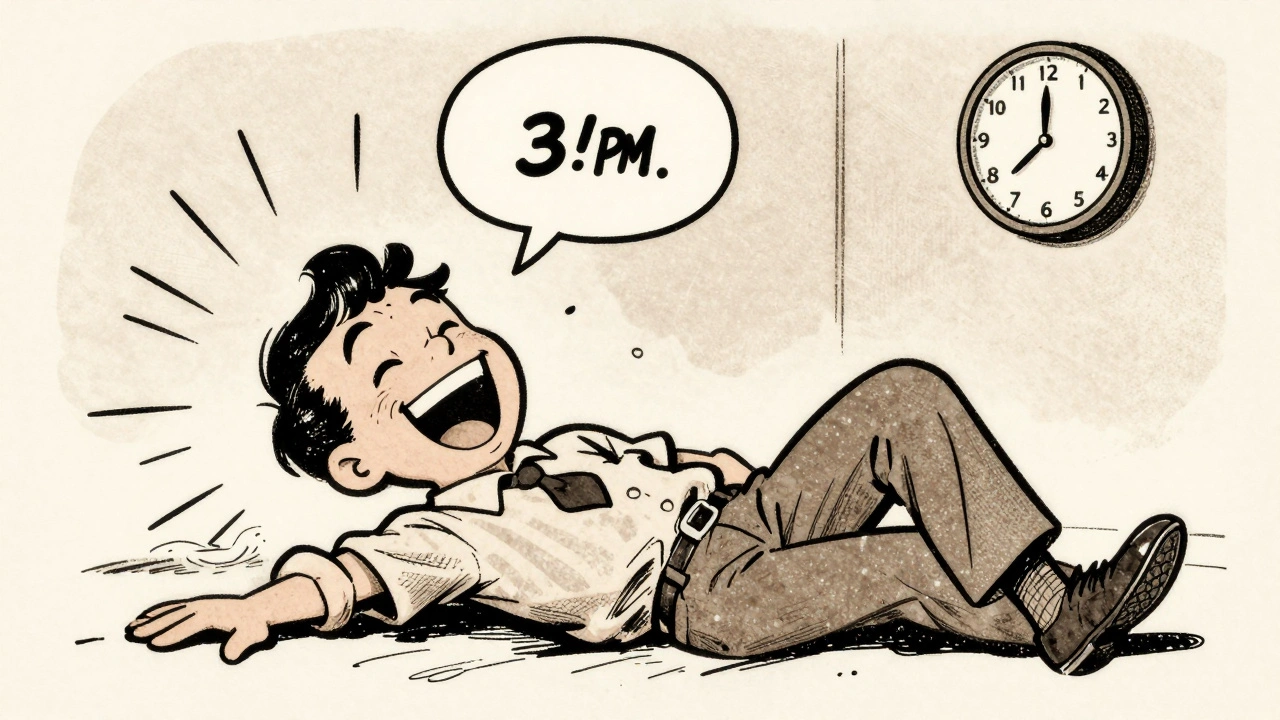
When someone suddenly loses muscle control—like their knees buckling or their head dropping—during strong emotions, they might be experiencing cataplexy, a sudden loss of muscle tone triggered by emotions, often linked to narcolepsy. Also known as emotional-induced paralysis, it’s not a seizure or fainting spell. It’s a neurological glitch tied to how the brain regulates sleep and wakefulness, especially during REM sleep, the stage of sleep where dreaming occurs and muscles are normally paralyzed. This is why cataplexy feels like being awake but stuck in a dream state.
Cataplexy doesn’t happen randomly. It’s tied to intense feelings: laughter, anger, surprise, or even excitement. A person might drop their coffee cup mid-laugh, slump in their chair during a funny story, or struggle to hold their head up after hearing bad news. The episode lasts seconds to a few minutes, and the person stays fully aware the whole time. That’s a key difference from seizures or strokes. Doctors look for this pattern: emotion triggers, clear muscle weakness, no loss of consciousness, and quick recovery. If someone reports this, especially with daytime sleepiness, narcolepsy is likely. And narcolepsy? It’s often caused by a lack of hypocretin, a brain chemical that helps stabilize sleep-wake cycles. In most cases, the immune system accidentally destroys the cells that make it.
Diagnosing cataplexy isn’t just about listening. Doctors use a sleep study called a polysomnogram, an overnight test that records brain waves, muscle activity, eye movement, and breathing, followed by a multiple sleep latency test, a daytime test that measures how fast someone falls asleep and if they enter REM sleep too quickly. But the gold standard? A spinal tap to measure hypocretin levels in cerebrospinal fluid. Low levels confirm narcolepsy type 1, which almost always includes cataplexy. Blood tests and MRIs won’t show it—this is a chemical imbalance, not a structural problem.
Many people live for years without a diagnosis because cataplexy is mistaken for fainting, seizures, or even laziness. Others are told it’s stress or anxiety. But untreated cataplexy can be dangerous—falling while walking, driving, or climbing stairs carries real risk. The good news? Once diagnosed, treatments exist. Medications like sodium oxybate or antidepressants can reduce episodes. Lifestyle changes help too: scheduled naps, avoiding emotional triggers when possible, and staying active. And knowing what you’re dealing with? That alone cuts the fear in half.
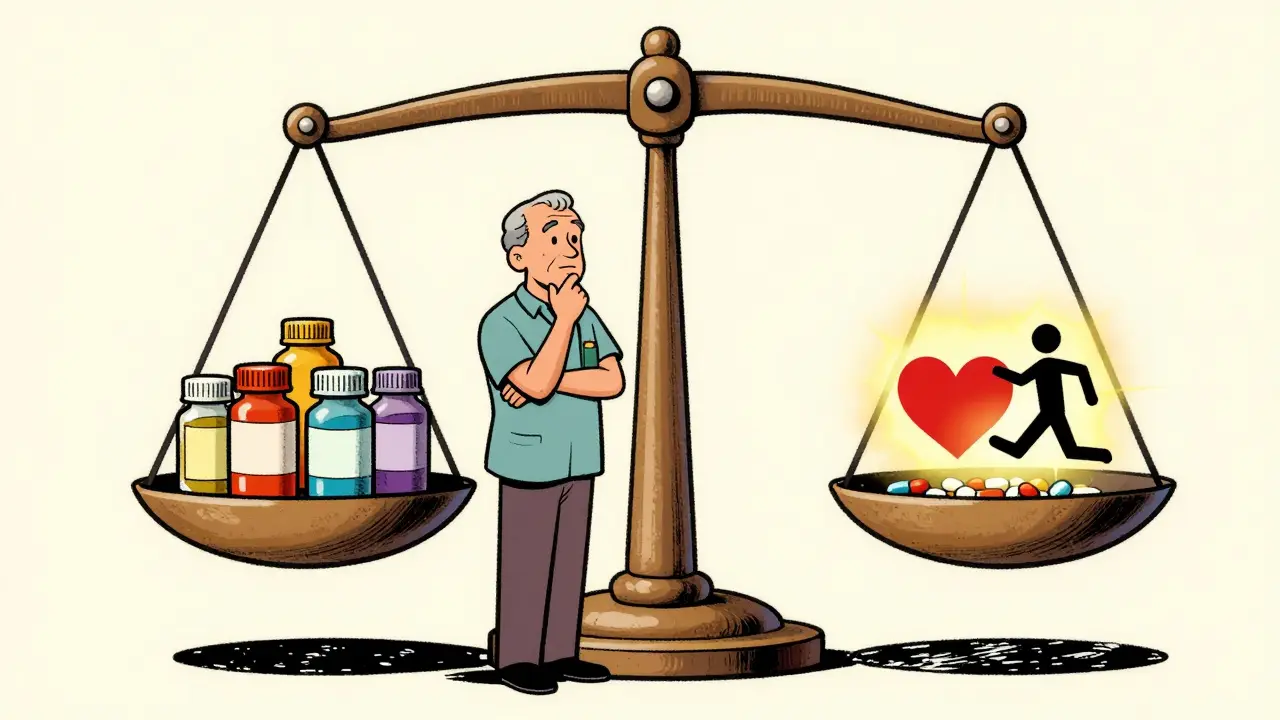
Below, you’ll find real-world guides on how medications, sleep patterns, and even over-the-counter remedies interact with conditions like cataplexy and narcolepsy. Some posts cover drug side effects that mimic cataplexy. Others explain how sleep disorders are misdiagnosed—or how to tell the difference between a seizure and a cataplectic attack. You’ll also see how common drugs like antihistamines or sedatives can worsen symptoms. This isn’t theory. These are stories from people who’ve been there, and the science that backs up what actually works.
Narcolepsy with Cataplexy: How It’s Diagnosed and Treated with Sodium Oxybate
- 10 Comments
- Dec, 1 2025
Narcolepsy with cataplexy is a rare neurological disorder causing uncontrollable sleepiness and sudden muscle weakness triggered by emotion. Diagnosis relies on sleep studies and CSF hypocretin testing. Sodium oxybate (Xyrem/Xywav) is the only FDA-approved treatment that effectively reduces both cataplexy and daytime sleepiness.