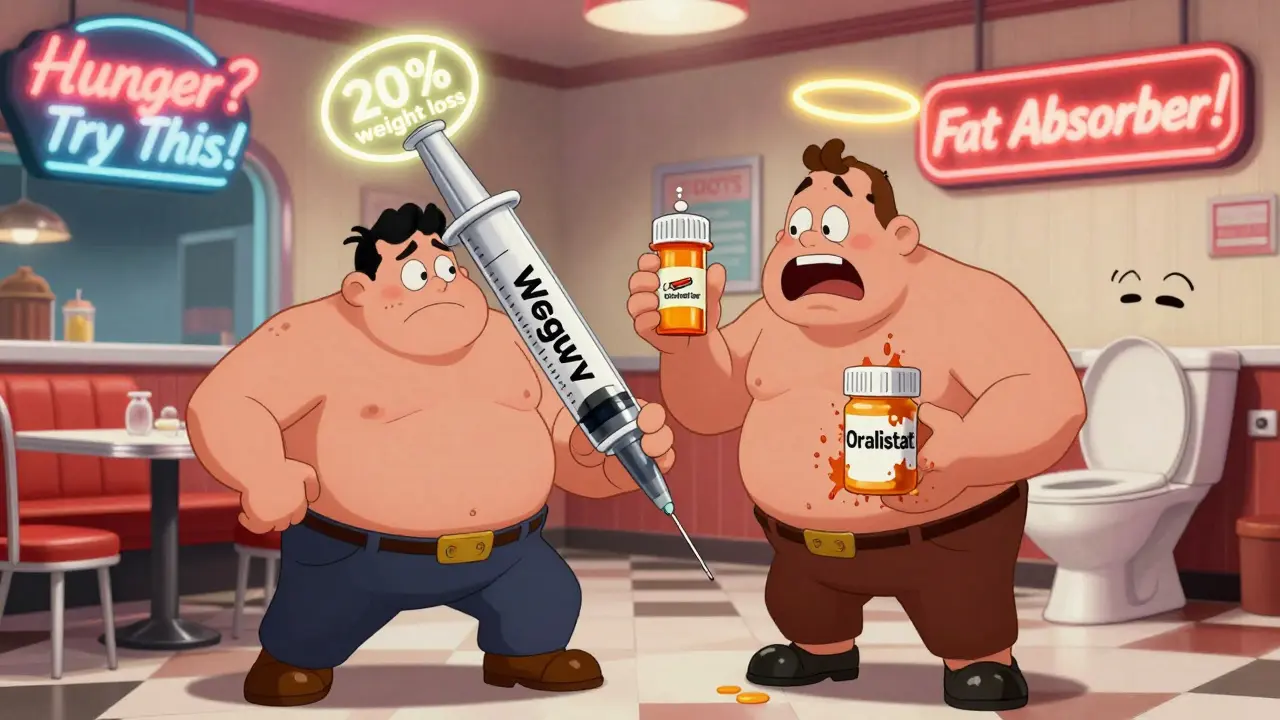
When it comes to losing weight, not all medications are created equal. In the last few years, a new wave of drugs has taken over the weight loss conversation - GLP-1 agonists like Wegovy, Zepbound, and Saxenda. They promise dramatic results: 15%, 20%, even more than 20% of body weight lost. But they come with a price tag that can hit $1,300 a month. Meanwhile, older options like orlistat, Qsymia, and Contrave are still out there - cheaper, easier to take, but far less powerful. So which one actually works better for you? And is the hype worth the cost?
How GLP-1 Agonists Actually Work
GLP-1 agonists mimic a natural hormone your body makes after eating. This hormone, called glucagon-like peptide-1, tells your brain you’re full and slows down how fast your stomach empties. It also helps your pancreas release insulin when blood sugar rises. That’s why these drugs were first made for type 2 diabetes. But doctors quickly noticed something else: patients lost weight - a lot of it.
Drugs like semaglutide (Wegovy) and tirzepatide (Zepbound) are injected once a week. They don’t burn fat directly. Instead, they quiet your hunger signals. You stop craving snacks. You feel satisfied after smaller meals. In clinical trials, people on Wegovy lost around 15% of their body weight. Zepbound, a newer dual-action drug that also targets GIP, pushed that number to nearly 21% in some studies. That’s not just a few pounds - it’s 30, 40, even 70 pounds off for many.
Older Weight Loss Drugs: What’s Still Available
Before GLP-1s, the options were limited. Orlistat (Xenical, Alli) blocks fat absorption in your gut. Whatever fat you eat that isn’t absorbed just... exits your body. It’s messy. People report oily stools, frequent bathroom trips, and embarrassing leaks. It works - but only if you’re strict about low-fat diets. On average, users lose 5-10% of their weight.
Phentermine-topiramate (Qsymia) combines a stimulant with an anti-seizure drug. It suppresses appetite and may change how your brain processes food cues. People typically lose around 10% of their weight. But it can raise heart rate and blood pressure. Not safe for everyone.
Naltrexone-bupropion (Contrave) targets the brain’s reward system. It’s meant to reduce cravings and make food feel less rewarding. Results? About 5-8% weight loss. It’s not flashy, but it’s been around for over a decade. And it’s usually covered by insurance.
Phentermine alone? It’s a short-term stimulant. Used for a few weeks at a time. Effective for quick starts, but not for long-term change. Many doctors won’t prescribe it for more than 12 weeks.
Efficacy: The Real Numbers
Let’s cut through the noise. Clinical trials show GLP-1 agonists crush older drugs in weight loss.
- Wegovy (semaglutide): 14.7% weight loss at 36 weeks
- Zepbound (tirzepatide): Up to 20.9% over 72 weeks
- Saxenda (liraglutide): Around 8% - still a GLP-1, but weaker
- Qsymia: About 10%
- Contrave: 5-8%
- Orlistat: 5-10%
A direct head-to-head study found Wegovy users lost 16% of their weight - while those on Saxenda lost only 6%. That’s a huge gap, even between two drugs in the same class.
But here’s the catch: real life isn’t a clinical trial. A 2024 study from NYU Langone tracked people actually using these drugs outside the lab. After six months, the average weight loss was just 4.7%. After a full year? Only 7%. Why? Side effects. Cost. Stopping treatment. Many people can’t stick with it.
Cost and Insurance: The Biggest Hurdle
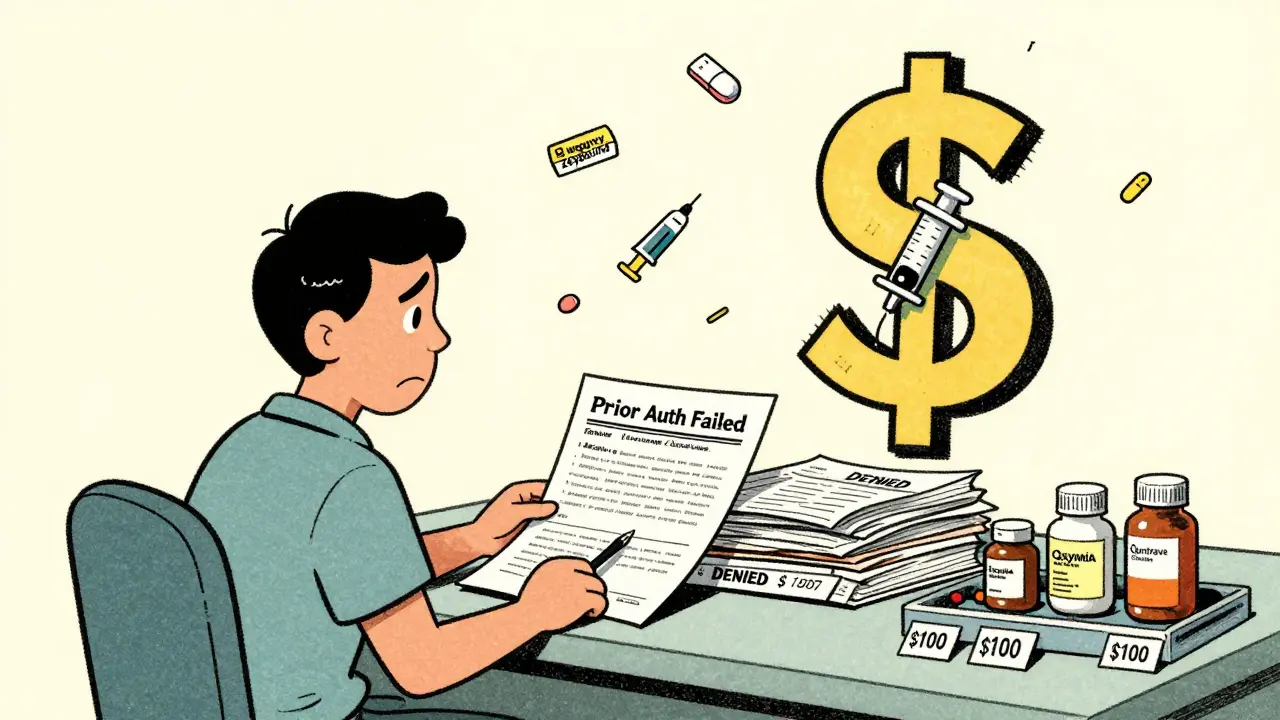
GLP-1 agonists are expensive. Without insurance, you’re looking at $1,000 to $1,400 a month. Even with coupons, the savings cap out at $500-$1,000 per year. That’s still hundreds of dollars a month.
Older drugs? Orlistat can cost under $50 a month. Qsymia and Contrave run $50-$150. Most insurance plans cover them - sometimes with low copays.
Insurance for GLP-1s? It’s a nightmare. Only about 28% of commercial plans cover them for weight loss without strict rules. You often need a BMI over 35 with a health condition like high blood pressure or diabetes. Even then, prior authorizations get denied. One survey found 45% of users got rejected at least once.
And if you lose your job or switch plans? You’re out of luck. Many people stop taking the drug because they can’t afford it - not because it doesn’t work.
Side Effects: Not Just Nausea
GLP-1 agonists don’t just make you feel full - they make your stomach slow down. That’s good for weight loss. But it’s also why so many people feel sick.
Nausea? Affects 20-50% of users, especially when starting or increasing the dose. Vomiting, diarrhea, constipation - common. Some report gastroparesis-like symptoms: bloating, pain, food sitting in the stomach for hours.
Older drugs have side effects too. Orlistat = oily leaks. Qsymia = dry mouth, tingling, mood changes. Contrave = headaches, insomnia, increased blood pressure. Phentermine = jitteriness, fast heartbeat.
But here’s the difference: GLP-1 side effects are often temporary. Most people get used to them after 4-8 weeks if they go slow with the dose. Doctors recommend starting at 0.25 mg weekly and increasing every 4 weeks. Rushing it? You’ll feel awful. Going slow? Many tolerate it fine.
Who Gets the Best Results?
GLP-1s aren’t for everyone. But they’re ideal for:
- People with obesity (BMI ≥30) who want serious, sustained weight loss
- Those with type 2 diabetes - you get weight loss and better blood sugar control
- People willing to inject weekly and manage side effects
- Those who can afford the cost or have good insurance coverage
Older drugs might be better if:
- You can’t afford injections or monthly costs over $1,000
- You’re needle-averse
- You have heart issues - phentermine isn’t safe for you
- You want something with proven long-term safety
And let’s be honest: even GLP-1s aren’t magic. A 2024 JAMA Surgery study showed people who had bariatric surgery lost 24% of their weight in two years - more than double what most GLP-1 users achieve. And surgery costs less over time. Many people who get surgery later use GLP-1s to maintain their weight - not replace it.
What’s Next? The Future of Weight Loss Drugs
The next wave is already here. Retatrutide, a triple agonist (GLP-1, GIP, glucagon), showed 24.2% weight loss in early trials. MariTide, a new antibody from Amgen, is now in Phase 3 testing. These drugs could push weight loss past 25%.
But they’ll be even pricier. And patents on semaglutide expire around 2030. Generic versions could drop prices dramatically - but not until then.
For now, GLP-1 agonists dominate the market. They account for 78% of new weight loss prescriptions. Older drugs? Just 15%. The shift is real. But access isn’t equal.
Practical Tips: How to Make It Work
If you’re considering a GLP-1 agonist:
- Start low. Don’t jump to the full dose. Go slow to reduce nausea.
- Use manufacturer programs. Novo Nordisk has NOW, Eli Lilly has Together and Lilly Cares. They help with coupons and copay assistance.
- Work with a specialty pharmacy. They handle prior authorizations better than regular pharmacies.
- Pair it with lifestyle changes. These drugs work best with protein-rich meals, hydration, and movement. They’re not a substitute for healthy habits.
- Join a community. Reddit has r/Wegovy (10k+ members) and r/Ozempic (15k+). Real people share tips on side effects, insurance battles, and dosing.
If you’re trying an older drug:
- Stick with orlistat only if you’re okay with low-fat meals.
- Use Qsymia or Contrave if you’ve tried diet and exercise and need a boost.
- Ask your doctor about long-term use. Some older drugs are safe for years - if monitored.
Final Thoughts: It’s Not About the Drug - It’s About You
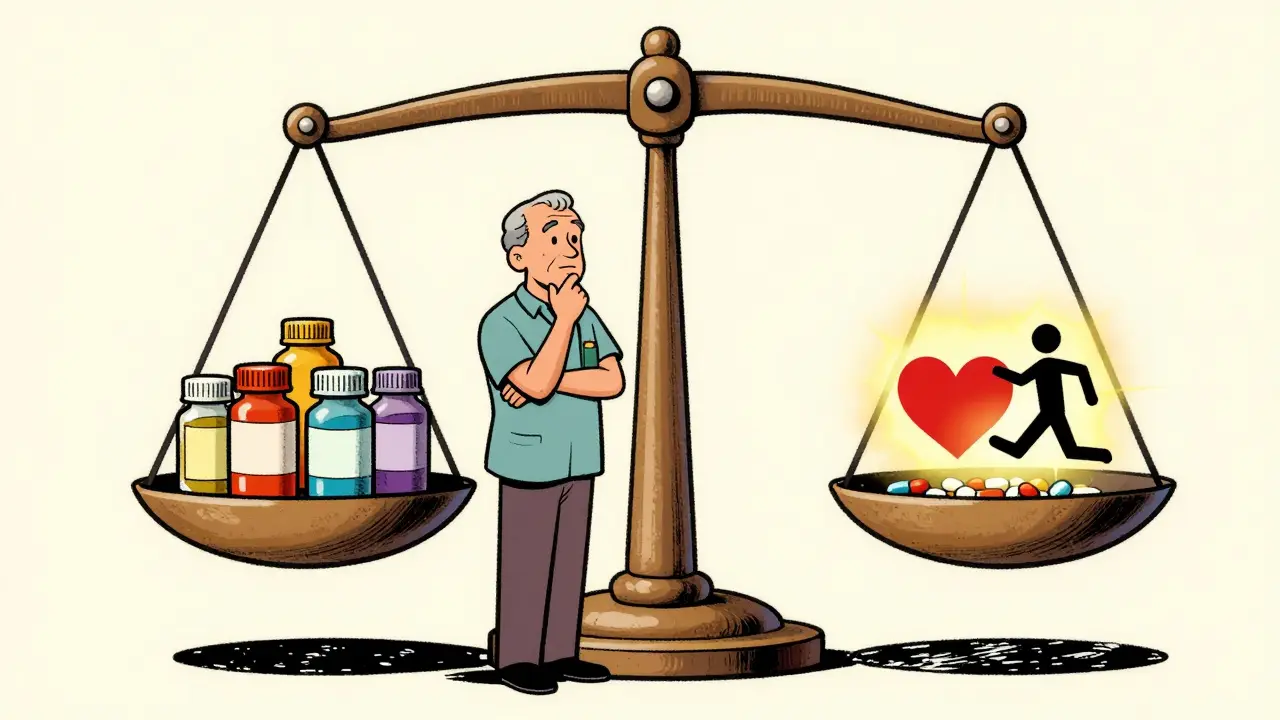
GLP-1 agonists are the most effective weight loss drugs we’ve ever had. But they’re not the right choice for everyone. Cost, side effects, and insurance hurdles make them inaccessible to many. Older drugs aren’t glamorous, but they’re reliable, affordable, and work - if you’re realistic about results.
The best drug is the one you can stick with. A 7% weight loss that lasts five years is better than a 20% loss you lose in six months because you can’t afford it or can’t handle the nausea.
Talk to your doctor. Ask about your options. Don’t let marketing tell you what’s best. Your body, your budget, your life - those matter more than the latest pill or injection.
Are GLP-1 agonists better than surgery for weight loss?
No, not for most people with severe obesity. Bariatric surgery leads to 24% weight loss over two years, compared to 4-7% for GLP-1 drugs in real-world use. Surgery is more durable and often cheaper long-term. But GLP-1s are a good option for those who don’t want surgery or aren’t candidates. Some people even use GLP-1s after surgery to maintain results.
Can I take GLP-1 agonists if I don’t have diabetes?
Yes. Wegovy and Zepbound are FDA-approved specifically for weight loss in adults with obesity or overweight plus at least one weight-related condition (like high blood pressure). You don’t need diabetes to qualify. But insurance often requires it - that’s where the real barrier lies.
Why do I feel so sick on Wegovy or Zepbound?
GLP-1 drugs slow digestion, which reduces hunger but can cause nausea, vomiting, or bloating - especially when starting or increasing the dose. Most people adjust after 4-8 weeks. Going slower with dose increases helps. Anti-nausea meds like ondansetron can help during the adjustment phase. If symptoms are severe or last more than a few weeks, talk to your doctor.
What happens if I stop taking a GLP-1 agonist?
Most people regain the weight - often all of it - within a year of stopping. These drugs don’t change your metabolism permanently. They suppress appetite while you’re taking them. Once you stop, hunger returns. That’s why long-term use is often needed. Some doctors recommend combining them with lifestyle changes to reduce rebound.
Are there oral versions of GLP-1 agonists?
Yes. Semaglutide is also available as Rybelsus, a daily pill for type 2 diabetes. But it’s not approved for weight loss. The oral version is less effective than the injection for weight loss and is not used for that purpose. There are no oral GLP-1s approved specifically for weight loss yet.
Can I use GLP-1 agonists with other weight loss meds?
Not usually. Combining GLP-1s with other appetite suppressants like phentermine or Qsymia hasn’t been studied for safety or effectiveness. Doctors generally avoid stacking them. If you’re on one, you’re likely on it alone. Always check with your provider before mixing medications.

Kasey Summerer
January 16, 2026 AT 05:50kanchan tiwari
January 17, 2026 AT 17:01john Mccoskey
January 19, 2026 AT 06:10Ryan Hutchison
January 21, 2026 AT 00:58Stephen Tulloch
January 22, 2026 AT 08:28Joie Cregin
January 23, 2026 AT 09:13Melodie Lesesne
January 23, 2026 AT 09:24Corey Chrisinger
January 24, 2026 AT 07:28Bianca Leonhardt
January 25, 2026 AT 10:37Travis Craw
January 26, 2026 AT 23:29Isabella Reid
January 28, 2026 AT 17:49