Second-Generation Antihistamines: What They Are and Why They Work Better
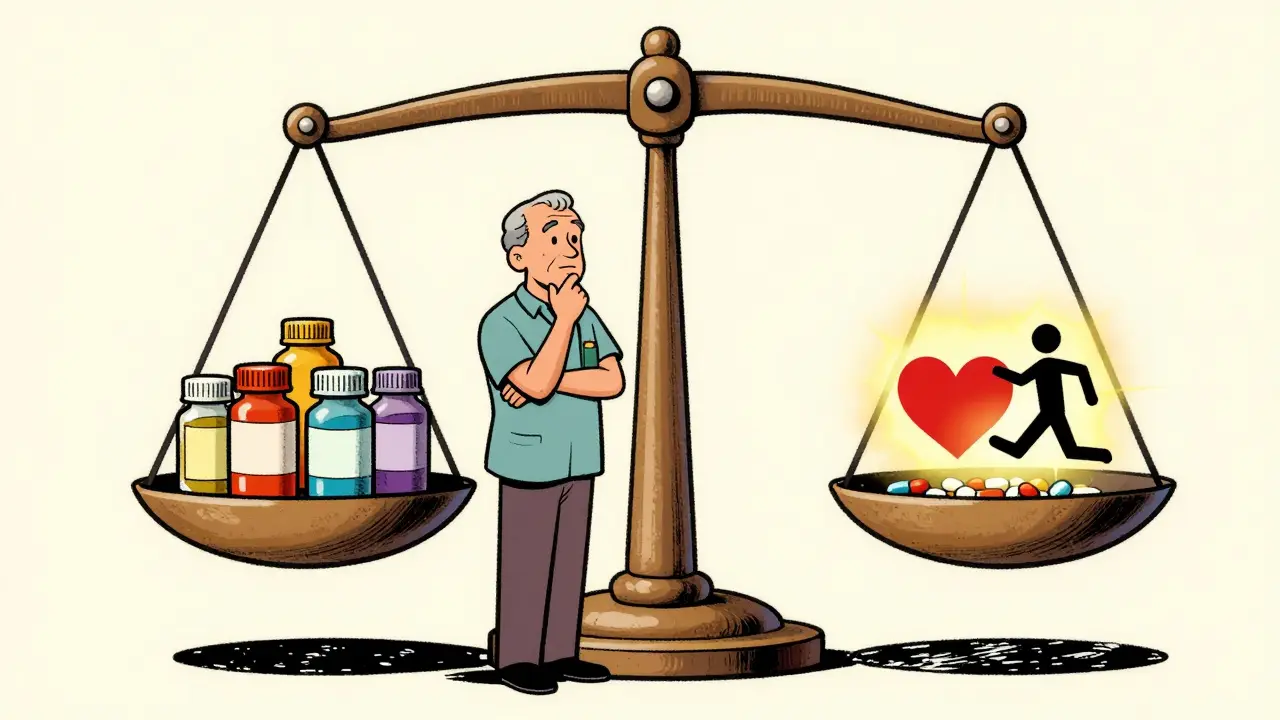
When you think of allergy medicine, you might picture old-school pills that make you sleepy. But second-generation antihistamines, a newer class of allergy drugs designed to block histamine without crossing the blood-brain barrier. Also known as non-sedating antihistamines, they’re the reason you can now manage hay fever, hives, or pet allergies without nodding off at your desk. Unlike first-gen versions like diphenhydramine, these drugs target histamine receptors in your nose and skin—where the problem is—without messing with your brain. That’s why they’re the default choice for doctors and patients who need all-day relief without the fog.
They work by blocking H1 receptors, the same ones that trigger sneezing, itching, and runny noses when your body overreacts to pollen, dust, or chemicals. But here’s the key difference: first-gen antihistamines slip into your brain and mess with alertness. Second-gen ones? They’re too big or too tightly bound to cross into your central nervous system. That’s why drugs like loratadine, cetirizine, and fexofenadine are safe for drivers, students, and anyone who needs to stay sharp. Even azelastine, the nasal spray version, acts locally—no drowsiness, just fast relief. And unlike older meds, they’re often dosed once a day, so you don’t have to remember to take them every few hours.
They’re not perfect. Some people still feel a little tired on cetirizine. Others get a dry mouth or headache. But compared to the old-school options, the trade-offs are tiny. And if you’ve been told you’re "allergic" to antihistamines because you got sleepy, you might just be reacting to the wrong kind. Many people switch to a second-gen version and wonder why they ever put up with the drowsiness.
These meds are part of a bigger shift in how we treat allergies—not just masking symptoms, but doing it smartly. You’ll find posts here that break down how azelastine helps with chemical triggers, why mixing acid reducers with allergy meds can backfire, and how to tell if your allergy pills are even working anymore. There’s also advice on avoiding drug interactions, spotting side effects, and using digital tools to stay on track. Whether you’re dealing with seasonal sneezing, chronic hives, or workplace allergens, second-generation antihistamines are likely your best starting point. And the posts below will show you exactly how to use them right.
Antihistamine Interactions with Other Sedating Medications: What You Need to Know Now
- 14 Comments
- Dec, 2 2025
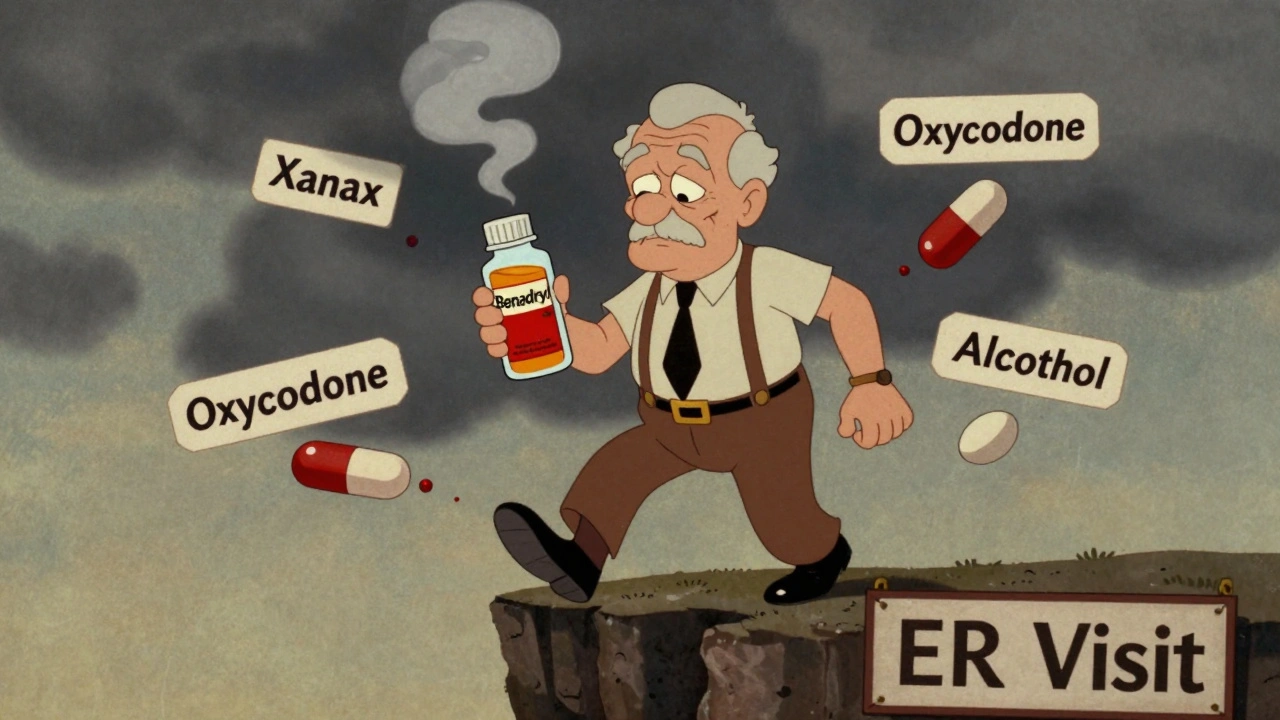
First-generation antihistamines like Benadryl can dangerously interact with opioids, benzodiazepines, and alcohol, increasing sedation and respiratory risks. Second-generation options like Claritin and Allegra are safer alternatives, especially for older adults and those on multiple medications.