CNS Depressant Interactions: Risks, Common Drugs, and What to Avoid
When you take a CNS depressant, a drug that slows down brain activity to reduce anxiety, induce sleep, or control seizures. Also known as central nervous system suppressants, it can be lifesaving—but mixing it with another depressant can stop your breathing. This isn’t theoretical. People die every year from combining alcohol with prescription sleep aids, or opioids with benzodiazepines, thinking "it’s just one more pill." The brain doesn’t care if the drug is legal, prescribed, or bought over the counter. It only sees the combined effect: too much slowing down.
CNS depressants include benzodiazepines, medications like diazepam and alprazolam used for anxiety and insomnia, barbiturates, older sedatives still used in some seizure and anesthesia cases, opioids, painkillers like oxycodone and morphine that also suppress breathing, and even some sleep meds like zolpidem. Even over-the-counter antihistamines like diphenhydramine can act as mild CNS depressants. When two or more of these are taken together—even hours apart—their effects stack up. You don’t need to take them at the same time. Your liver doesn’t clear them fast enough, and your brain keeps feeling the slowdown.
Signs you’re in danger? Extreme drowsiness, confusion, slurred speech, slow or shallow breathing, dizziness, or passing out. These aren’t side effects—they’re warning signs of overdose. And if you’re on any of these drugs, you’re at higher risk if you’re older, have liver disease, or take multiple prescriptions. The FDA has issued black box warnings for combinations like opioids and benzodiazepines because the death rate is real. One study showed people taking both were 30% more likely to die from overdose than those on opioids alone.
You might think your doctor knows all your meds—but do they know about the melatonin you take at night? The muscle relaxer your back pain specialist gave you? The alcohol you have with dinner? Many patients don’t mention these. And many providers don’t ask. That’s why checking for interactions isn’t just your doctor’s job—it’s yours too. Always ask: "Could this make me sleepy or slow my breathing?" If you’re taking a CNS depressant, avoid alcohol completely. Don’t double up on sleep aids. And if you feel unusually tired after starting a new drug, don’t brush it off. That’s your body telling you something’s wrong.
The posts below cover real cases where these interactions caused harm—and how to prevent them. You’ll find guides on opioid safety, how sedatives affect driving, what to do if you mix meds accidentally, and how to talk to your pharmacist about hidden risks. No fluff. No theory. Just what you need to stay safe when your brain is already being slowed down by medicine.
Antihistamine Interactions with Other Sedating Medications: What You Need to Know Now
- 14 Comments
- Dec, 2 2025
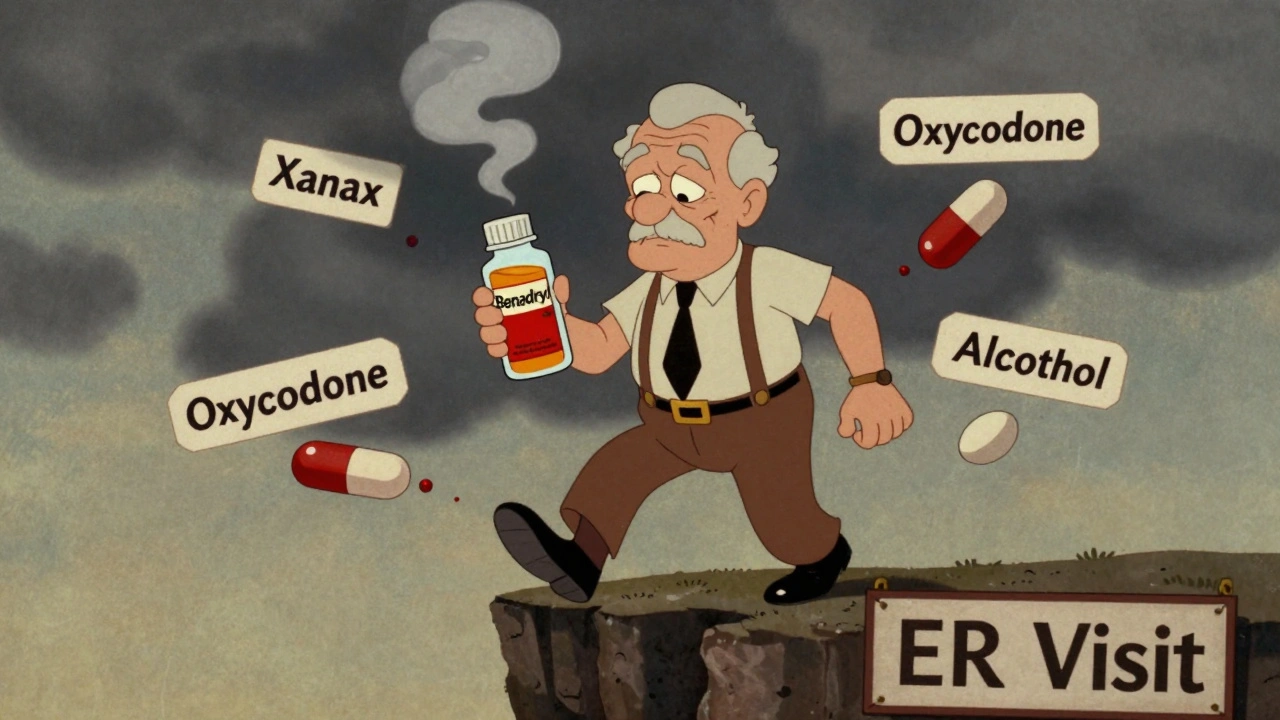
First-generation antihistamines like Benadryl can dangerously interact with opioids, benzodiazepines, and alcohol, increasing sedation and respiratory risks. Second-generation options like Claritin and Allegra are safer alternatives, especially for older adults and those on multiple medications.