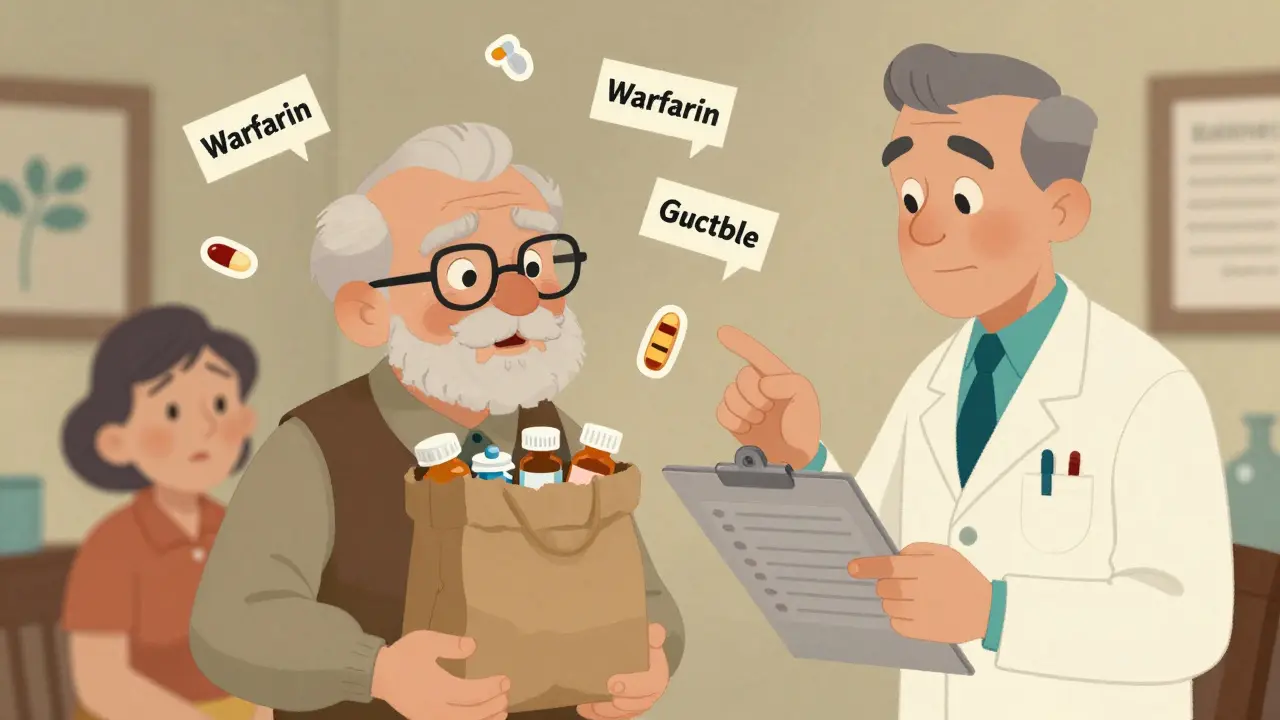
Every year, tens of thousands of older adults are sent home from the hospital with a new list of medications - some changed, some added, some stopped. For many, this is a relief. But for too many, it’s the start of a dangerous chain of mistakes. Medication errors during the transition from hospital to home are one of the most common and preventable causes of readmission, especially for seniors managing five or more drugs. The truth? One in five seniors will experience a medication mistake within three weeks of leaving the hospital. And most of these errors happen because no one took the time to make sure the patient truly understood what they were taking - and why.
Why Medication Errors Happen at Discharge
It’s not that hospitals are careless. It’s that the system is broken in small, silent ways. A patient arrives with a list of pills they’ve been taking for years. The hospital starts new ones for their heart condition, adjusts their diabetes meds, adds a painkiller. But when it’s time to go home, the discharge summary often doesn’t match what the patient was actually taking before admission. Over-the-counter pain relievers? Forgotten. Herbal supplements? Ignored. Insulin doses? Changed without clear explanation. Studies show that even when hospitals do what’s called “medication reconciliation” - comparing what the patient was on, what they’re on now, and what they’re being sent home with - up to 76% of those discharge lists still have serious errors when checked by an outside expert. That’s not a glitch. That’s a system failure. The biggest culprits? Anticoagulants like warfarin, insulin, opioids, and antiplatelet drugs. These aren’t just any pills. One wrong dose can lead to a bleed, a fall, a stroke, or even death. And seniors? They’re more vulnerable. Kidneys slow down. Memory fades. Eyesight dims. They might not remember if they took their pill at 8 a.m. or 8 p.m. Or why they’re taking it at all.The Three-Step Safety Plan
There’s a proven way to fix this - and it doesn’t require expensive tech or extra staff. It’s simple, but it must be done right. Step 1: Full Medication Reconciliation - Done Right Medication reconciliation isn’t just checking boxes. It’s a five-part process:- Verify: Get the real list. Ask the patient to bring in every bottle - pills, patches, inhalers, even the herbal teas they swear are “just for sleep.”
- Clarify: Why is this drug here? Is the dose right for their kidney function? Is it still needed?
- Reconcile: Match what they were on, what they got in the hospital, and what they’re leaving with. Highlight every change.
- Communicate: Send the final list to their primary doctor and pharmacist - not just a PDF in a system they can’t access.
- Teach-Back: Ask the patient to explain each medication in their own words. “So, you’re taking this blue pill every morning to thin your blood, right? Why?” If they can’t say it, they’re at risk.
Who Should Be Leading This?
Too often, nurses or doctors are expected to handle this on top of everything else. But the data is clear: pharmacists are the key. A pharmacist-led discharge process reduces medication discrepancies by 67%. Why? They’re trained to spot drug interactions, adjust doses for aging bodies, and spot when a pill is being prescribed for the wrong reason. They also have the time to sit down and talk. In high-risk patients - those with heart failure, diabetes, COPD, or five or more medications - pharmacist involvement isn’t optional. It’s the standard of care. And it’s not just about safety. Every dollar spent on a pharmacist during discharge saves $3 to $5 in avoided readmissions.
What Happens After You Leave the Hospital?
Sending a patient home with a printed list isn’t enough. You need follow-up.- High-risk patients need a call or visit within 7 days. Not 14. Not 30. Seven.
- That follow-up should include checking blood pressure, blood sugar, and INR levels if they’re on blood thinners.
- Home health nurses should do their own medication reconciliation within 24 hours of arriving at the home.
The Hidden Problem: Fragmented Care
Here’s the ugly truth: hospitals and doctors don’t always talk to each other. And pharmacies? They’re often left in the dark. Only 35% of U.S. hospitals can automatically share discharge summaries with outpatient providers. That means the family doctor might not know the patient’s insulin dose was doubled - until the patient shows up with low blood sugar. The solution? Use standardized communication tools like SBAR: Situation, Background, Assessment, Recommendation. It’s simple. It’s clear. And it works. Also, make sure the patient’s community pharmacist has the updated list. Pharmacists are often the last line of defense. They see what the hospital doesn’t - like when a patient is filling the same prescription twice, or taking a new drug that interacts with an old one.
What Families Can Do
You don’t need to be a doctor to help. Here’s what you can do:- Go with the patient to discharge planning. Take notes. Ask questions.
- Ask for a written list of all medications - including doses, times, and why each one is needed.
- Use a pill organizer. Color-coded ones help. Set alarms on your phone.
- Do the Teach-Back: “Can you tell me what this red pill is for?” If they say, “I think it’s for my heart,” that’s not enough. Ask: “Why?”
- Call the pharmacist if something doesn’t make sense. Don’t wait.
- Keep a log: note any new symptoms - dizziness, nausea, confusion - and report them immediately.
The Bottom Line
Medication errors after hospital discharge aren’t inevitable. They’re a sign that the system isn’t working for the people who need it most. But change is possible - and it’s already happening in places that treat this like a safety issue, not a paperwork chore. The best outcomes come from three things: pharmacist-led reconciliation, patient education using Teach-Back, and a follow-up within seven days. Add in a visual schedule or a home visit, and you’re not just preventing errors - you’re giving people back their independence. It’s not about doing more. It’s about doing what matters - clearly, carefully, and with the patient at the center.What is medication reconciliation and why does it matter?
Medication reconciliation is the process of comparing a patient’s current medications with what they were taking before hospitalization, what was changed during their stay, and what they’re being sent home with. It matters because mismatches between these lists cause most medication errors after discharge. When done properly - including over-the-counter drugs and supplements - it prevents dangerous interactions, missed doses, and unnecessary prescriptions.
Who should be responsible for managing medications at discharge?
Pharmacists are the most effective professionals for managing medication transitions. They’re trained to spot drug interactions, adjust doses for aging bodies, and verify patient understanding. Nurses and doctors can help, but studies show pharmacist-led discharge programs reduce medication errors by 67%. For seniors on five or more drugs, pharmacist involvement is no longer optional - it’s the standard of care.
What’s the Teach-Back method and how does it prevent errors?
The Teach-Back method asks patients to explain, in their own words, what each medication is for and how to take it. If they can’t explain it clearly, they likely don’t understand - and are at risk of taking it wrong. This isn’t about testing them. It’s about finding gaps in understanding. Studies show patients who pass Teach-Back are 50% less likely to have an adverse drug event. It’s simple, free, and one of the most powerful tools in patient safety.
How soon after discharge should a patient be followed up?
High-risk patients - those with heart failure, COPD, kidney disease, or taking five or more medications - need a follow-up within 7 days. That could be a phone call, a telehealth visit, or a home visit by a nurse or pharmacist. For moderate-risk patients, 14 days is acceptable. Waiting longer than 14 days increases the chance of a medication error leading to readmission. Early follow-up catches problems before they become emergencies.
What medications are most dangerous during transitions?
The highest-risk medications include anticoagulants like warfarin and DOACs (e.g., apixaban), insulin, opioids (like oxycodone), and antiplatelet drugs (like aspirin or clopidogrel). These drugs have narrow safety margins - small changes in dose can cause major harm. Warfarin needs regular blood tests. Insulin requires careful timing and food intake. Opioids can cause confusion or falls in seniors. All require extra attention during discharge.
Can technology help prevent medication errors?
Yes. Mobile apps that show visual medication schedules with photos of pills and alarm reminders have reduced errors by 41% in seniors. Electronic systems that automatically share discharge lists with outpatient providers (like Epic’s Care Transition Service) cut errors by 28%. AI tools like MedAware can flag dangerous interactions before they happen. But tech alone isn’t enough. It must be paired with human interaction - a pharmacist explaining the plan, a family member helping with the app, a nurse checking in.
Why do Medicaid patients have more medication errors?
Medicaid patients often face fragmented care - switching doctors, pharmacies, and insurance plans frequently. They’re less likely to have a consistent primary care provider or pharmacist who knows their full history. Many also lack access to transportation for follow-up visits or can’t afford co-pays for medications. These gaps lead to 37% more medication discrepancies compared to privately insured patients. Solutions include community health workers, pharmacy delivery programs, and simplified discharge instructions.


Rebekah Cobbson
January 14, 2026 AT 04:07My mom got discharged last month with 7 new meds and no one explained half of them. I had to call the pharmacy three times just to figure out what the blue pill was for. The Teach-Back thing? That should be mandatory. Not optional. If they can’t explain it back, they shouldn’t leave.
Also, brown bag reviews saved her life. We found three expired pills and two she wasn’t even supposed to be taking. Hospitals need to stop treating this like a checklist.
Sonal Guha
January 15, 2026 AT 14:46Pharmacists are the only ones who actually know what theyre doing in this mess
TiM Vince
January 16, 2026 AT 11:58Coming from India, I’ve seen families handle this way differently. Here, the eldest child usually takes over meds. No doctors, no pharmacists-just a handwritten list taped to the fridge. But when my uncle came back from the US after heart surgery, the difference was night and day. The pharmacist sat with him for 45 minutes. Used pictures. Made him repeat it back. He didn’t miss a dose in six months.
It’s not about tech. It’s about respect. People aren’t dumb. They’re just not listened to.
Jay Powers
January 18, 2026 AT 09:34I work in home health and I see this every week. A patient gets discharged with a list that says ‘take 10mg at night’ but the bottle says 5mg. No one caught it. The nurse didn’t check. The family assumed the hospital got it right.
Teach-Back isn’t hard. It’s just not done. Why? Because everyone’s rushed. But here’s the thing-if you skip it once, someone dies. And it’s not a ‘maybe.’ It’s a ‘when.’
Also, apps with pictures? Genius. My grandma uses one now. She doesn’t read but she knows what her pills look like. She taps the screen and it tells her when to take it. No more confusion.
And yes, pharmacists need to be at the center of this. Not an afterthought. Not a ‘if we have time.’ They’re the last line of defense. Treat them like it.
Lawrence Jung
January 18, 2026 AT 13:34Everyone talks about pharmacists like they’re some kind of magic fix but lets be real-this is just another example of the system outsourcing responsibility to someone who gets paid less and gets zero recognition
Meanwhile the real problem is hospitals treating patients like data points not humans. You think a 78 year old with dementia remembers what warfarin does? Of course not. But they’ll sign the paper anyway because they dont want to be ‘difficult’
So we fix the symptom not the disease. We give them a pill organizer and call it a day. Meanwhile the system keeps churning out the same mistakes because no one wants to fund real change
Alice Elanora Shepherd
January 19, 2026 AT 10:53As a former geriatric nurse, I’ve witnessed firsthand how devastating medication errors can be-and how preventable they are. The ‘brown bag’ method is not only effective, it’s humane. It respects the patient’s lived experience.
Moreover, the ‘Teach-Back’ technique, when done with patience and without condescension, transforms compliance into understanding. Patients don’t need to be ‘taught’-they need to be heard.
And yes, pharmacists should be leading this. Not as a ‘bonus service,’ but as a core, funded, non-negotiable component of discharge planning. Insurance companies should be required to reimburse for this. It saves money. And lives.
Finally, telehealth follow-ups? Brilliant. But only if the video call includes a visual check of the actual pills. A patient saying ‘I’m fine’ means nothing. Showing the bottle? That’s proof.
Sona Chandra
January 20, 2026 AT 18:42Oh wow, another article about how Americans are too lazy to take their pills. Why don’t you just tell people to stop being dumb? My grandma took 12 pills a day and never missed one. She didn’t need an app or a pharmacist. She just had discipline.
And now you want to spend millions on ‘visual schedules’? Just teach people to read! This is why the West is falling apart-everyone wants a handout, not responsibility.
Also, why are pharmacists suddenly the heroes? Doctors do all the hard work. Pharmacists just count pills. Stop glorifying the middlemen.
Cassie Widders
January 22, 2026 AT 03:18My dad’s discharge list had his insulin dose wrong. We didn’t catch it until he passed out at 3 a.m. We’re lucky he didn’t die.
They printed the list. Gave it to him. Said ‘call if you have questions.’
He didn’t know what ‘QHS’ meant. He thought it was a brand name.
Konika Choudhury
January 22, 2026 AT 03:39Why are we even talking about this like it’s new? In India we’ve been doing this for decades. Elders keep their own medicine boxes. Family members help. No apps needed. No pharmacists needed. Just respect and attention.
Western medicine thinks it can fix everything with tech and bureaucracy. But the real solution is simpler-stay close to your family. Don’t outsource care to strangers.
Darryl Perry
January 23, 2026 AT 20:48Stop pretending this is a systemic failure. It’s a personal failure. People forget to take their meds. They don’t read labels. They buy supplements that interact with prescriptions. Stop blaming hospitals.
Teach-Back? Fine. But if the patient refuses to engage, that’s on them.
Also, why are pharmacists getting all the credit? They didn’t diagnose the condition. They didn’t write the script. They just dispense.
Let’s stop infantilizing adults.
Windie Wilson
January 23, 2026 AT 21:28So let me get this straight… we need a pharmacist, a visual app, a home visit, a phone call, a brown bag, a teach-back, and a signed waiver just so someone doesn’t accidentally take 4 blood thinners at once?
Wow. I didn’t realize we were running a 5-star hotel for the elderly, not a hospital.
Next they’ll be sending a therapist to explain why the blue pill isn’t candy.
At this point, I just want to be discharged with a pamphlet that says: ‘Don’t die.’
Daniel Pate
January 25, 2026 AT 06:15What’s interesting here is the underlying assumption: that understanding equals safety. But what if understanding is impossible? What if the brain, due to age, illness, or trauma, simply cannot retain or process this information? Then what?
Do we keep adding layers-apps, pharmacists, home visits-until we’ve built a cage of care around them? Or do we ask: Is it ethical to discharge someone who cannot possibly manage their own medication, even with all these supports?
Maybe the real question isn’t how to prevent errors-but when we should stop discharging at all.
This isn’t just about medication. It’s about dignity, autonomy, and the quiet collapse of our social contract with aging.