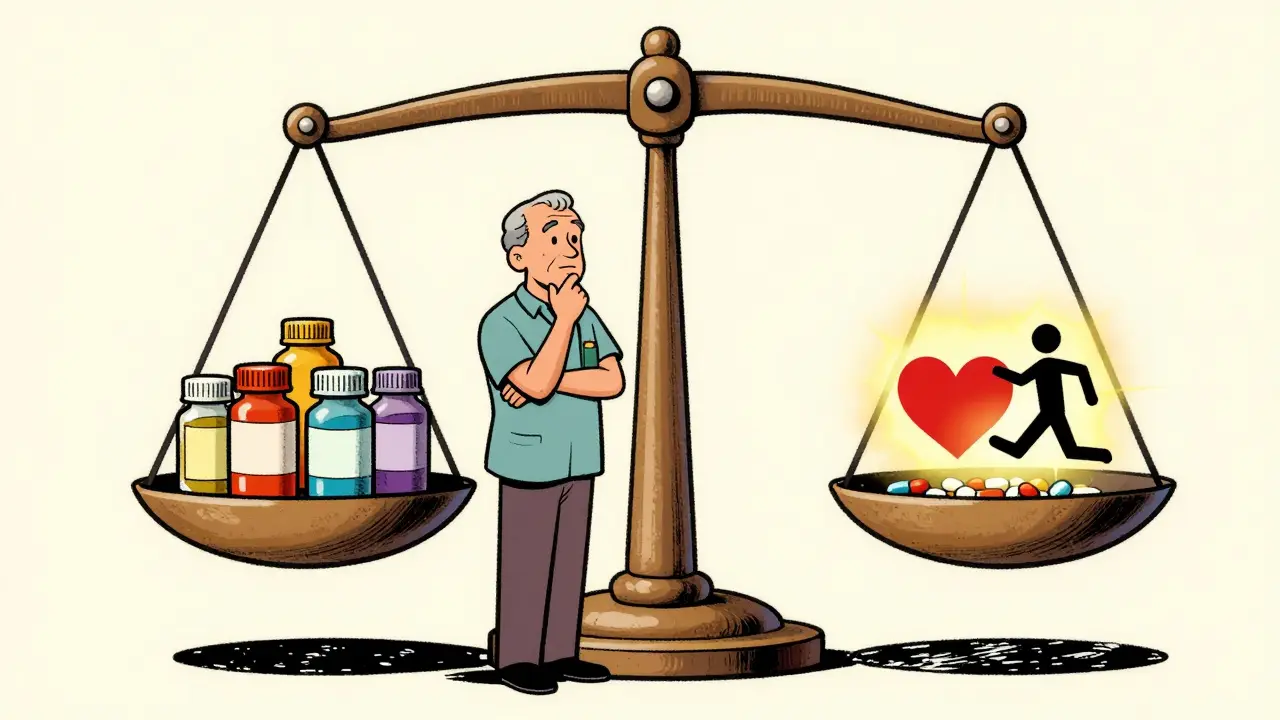
PPIs: What They Are, How They Work, and What You Need to Know
When you hear PPIs, proton pump inhibitors are drugs that block stomach acid production at its source. Also known as proton pump inhibitors, they’re among the most prescribed medications in the world—for good reason. But knowing how they work doesn’t mean you should take them long-term without asking questions.
PPIs don’t just calm heartburn. They shut down the acid pumps in your stomach lining, which helps heal ulcers, reduces damage from chronic reflux, and can even prevent complications like Barrett’s esophagus. But they’re not the only option. Many people use them for months or years without realizing there are safer, simpler ways to manage acid issues—like diet changes, weight loss, or even H2 blockers like famotidine. And here’s the catch: long-term use has been linked to nutrient deficiencies, bone loss, and even kidney problems in some studies. The FDA has warned about these risks since 2010, yet prescriptions keep climbing.
What you’ll find in this collection isn’t just a list of PPI brands. It’s a real-world look at how these drugs fit into bigger health stories. You’ll read about how acid reflux, a condition where stomach acid flows back into the esophagus, causing burning and discomfort overlaps with other issues like medication overuse headaches. You’ll see how GERD, gastroesophageal reflux disease, the chronic form of acid reflux is managed with or without drugs, and how alternatives like dietary shifts or posture changes can reduce reliance on PPIs. You’ll also find posts on how other medications—like NSAIDs or opioids—interact with stomach acid, and why some people end up on PPIs just to counter side effects from other pills.
This isn’t about scaring you off PPIs. It’s about giving you the facts so you can decide if you really need them—or if you’ve been taking them because it’s easier than changing habits. Some people need them. Others just need better advice. The posts below cover everything from how to safely stop PPIs without rebound acid to what to do when your doctor won’t listen. No fluff. No marketing. Just what works, what doesn’t, and what you should ask next.
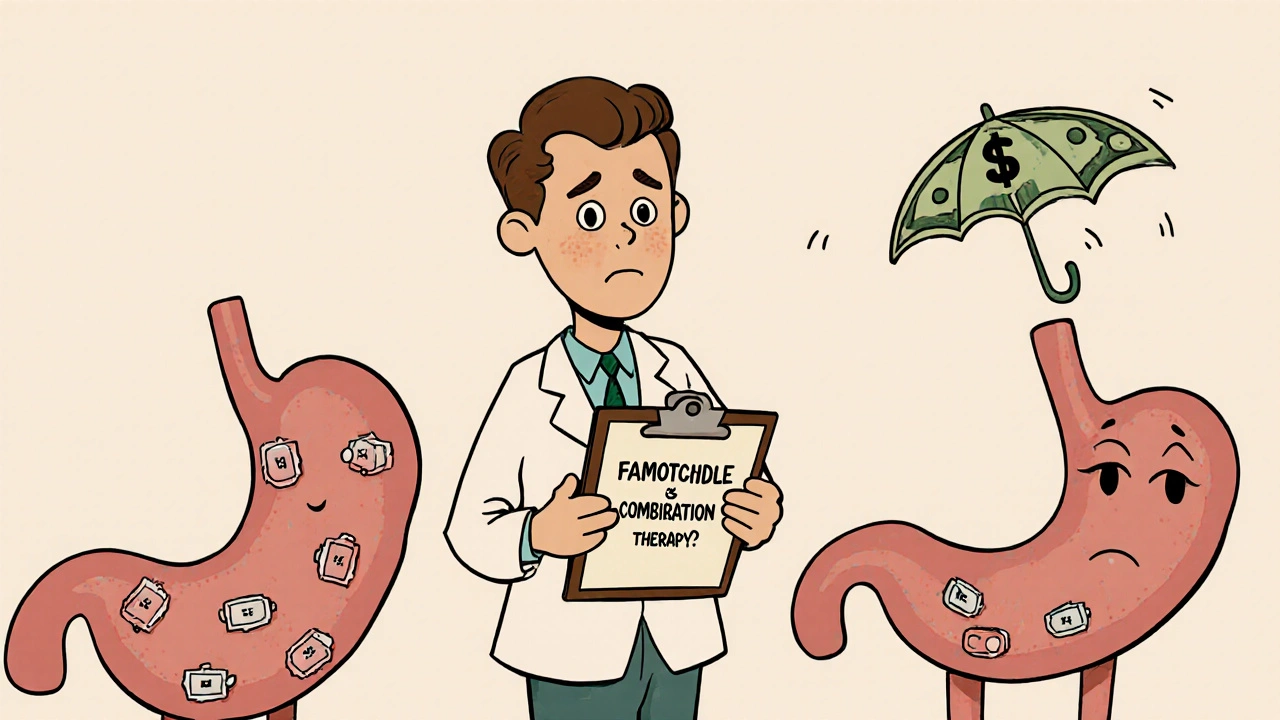
H2 Blockers and PPIs: When Combining Acid Reducers Can Do More Harm Than Good
- 15 Comments
- Nov, 25 2025
Combining H2 blockers and PPIs for acid reflux is common but often unnecessary. Learn why this dual therapy increases risks without adding benefit - and what to do instead.