Neuronal Antibodies: What They Are and How They Affect Your Nervous System
When your immune system goes off track, it can start attacking your own nerves. Neuronal antibodies, specialized immune proteins that mistakenly target nerve cells. Also known as neural autoantibodies, they’re not fighting infections—they’re turning against your brain, spinal cord, or peripheral nerves. This isn’t just rare; it’s often the hidden cause behind unexplained seizures, memory loss, muscle weakness, or even psychiatric symptoms that look like depression or psychosis.
These antibodies don’t appear out of nowhere. They’re often tied to paraneoplastic syndromes, conditions triggered by cancers elsewhere in the body, like lung or ovarian tumors. The cancer cells produce proteins that look like nerve tissue, tricking the immune system into making antibodies that then cross over and attack the nervous system. In other cases, they show up in autoimmune neurological disorders, diseases where the immune system directly targets nerve receptors. One of the most studied is anti-NMDA receptor antibodies, which can cause severe inflammation in the brain, leading to confusion, hallucinations, and seizures—especially in young women.
What makes neuronal antibodies tricky is that their symptoms can mimic everything from a stroke to a mental health crisis. Many patients go years without a proper diagnosis because doctors don’t test for them. But once identified, treatment can change everything—whether it’s removing the underlying tumor, using IVIG to calm the immune system, or suppressing antibody production with steroids or plasma exchange. These aren’t just lab curiosities; they’re real, treatable causes of devastating neurological damage.
The posts below cover related topics that connect directly to how these antibodies form, what they do, and how they’re diagnosed. You’ll find guides on autoimmune triggers, how certain medications can influence immune responses, and how conditions like chronic lymphocytic leukemia can set off similar immune misfires. There’s also information on how to recognize unusual neurological symptoms that might point to an underlying antibody problem—something many patients and even some doctors miss.
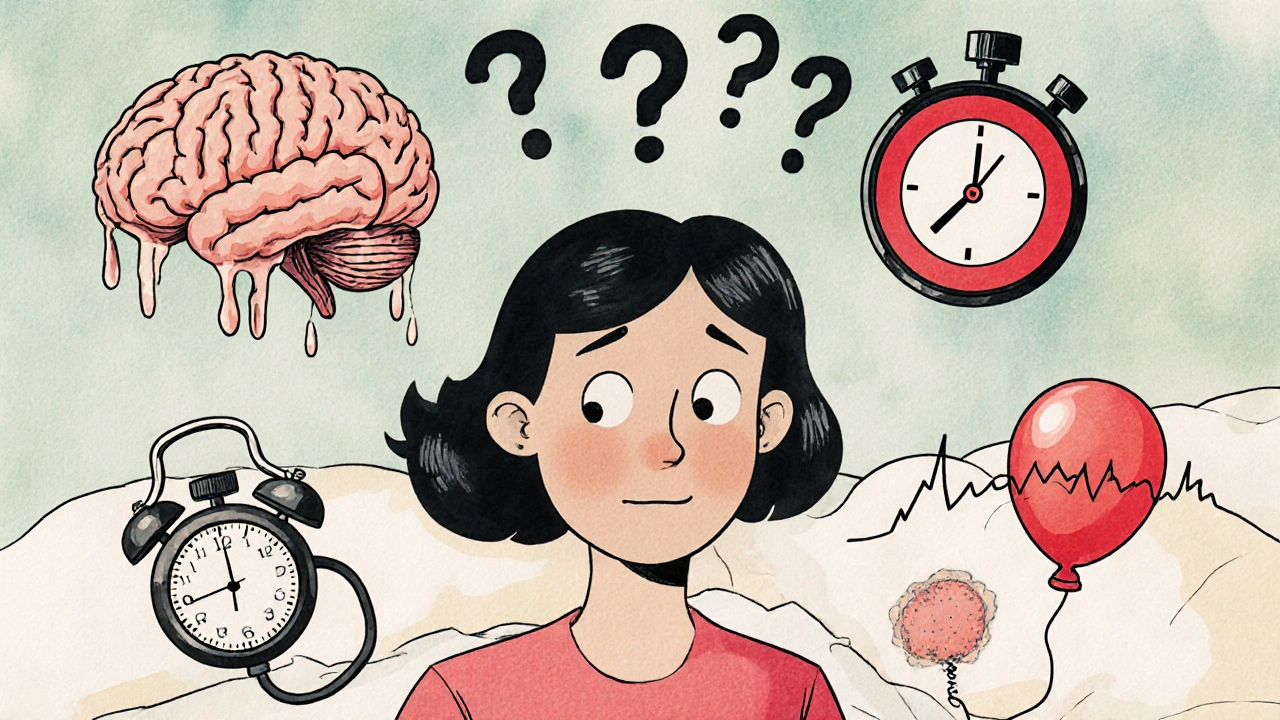
Autoimmune Encephalitis: Red Flags, Antibodies, and Treatment
- 9 Comments
- Nov, 24 2025
Autoimmune encephalitis is a rare but treatable brain disorder caused by the immune system attacking brain proteins. Early signs include seizures, memory loss, and psychiatric symptoms. Key antibodies like anti-NMDAR and anti-LGI1 guide diagnosis and treatment. Fast action improves recovery chances dramatically.