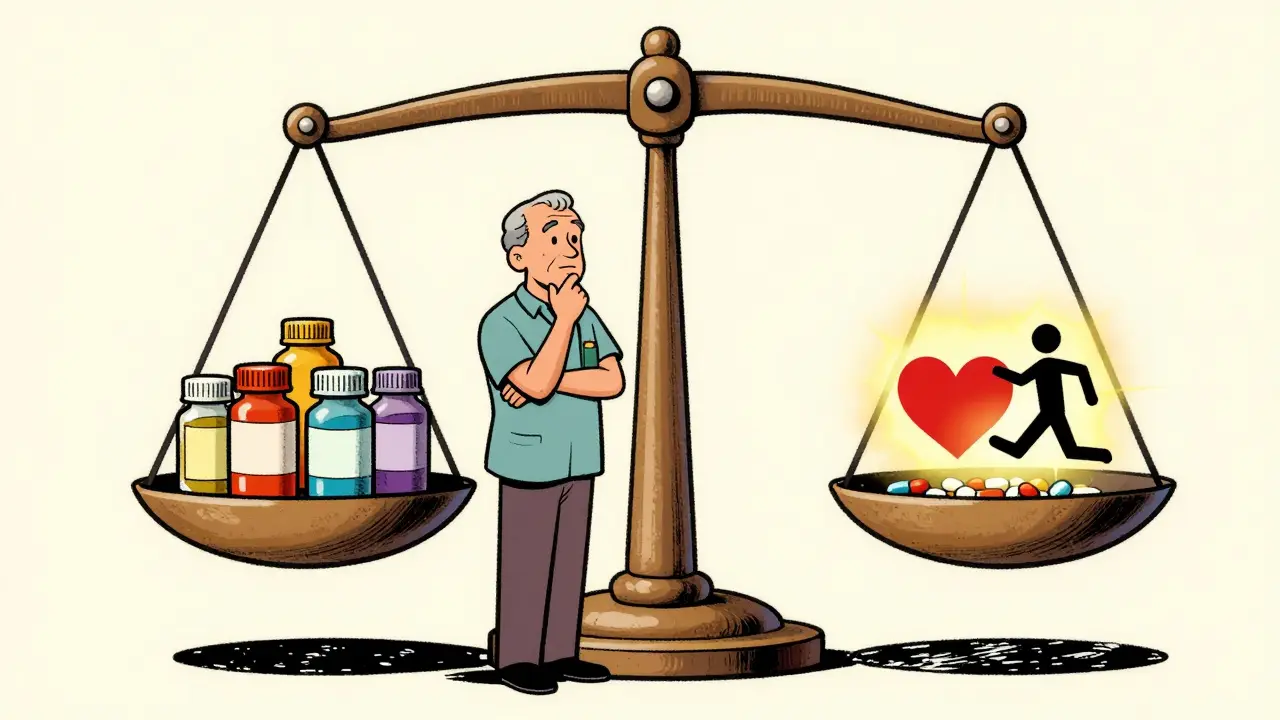
Encephalitis Treatment: What Works, What to Avoid, and How to Stay Safe
When the brain swells from infection, it’s called encephalitis, a serious inflammation of the brain tissue often caused by viruses. Also known as viral encephalitis, it’s not just a headache—it can change how you think, move, or even breathe. Early treatment makes all the difference. Most cases start with flu-like symptoms: fever, headache, fatigue. But if you start feeling confused, having seizures, or speaking strangely, it’s not the flu—it’s your brain reacting. And time is critical.
There’s no one-size-fits-all fix for encephalitis treatment, a medical approach that depends on the cause, severity, and patient’s health. If it’s caused by herpes simplex virus, antiviral drugs like acyclovir can stop it in its tracks—if given fast enough. But if it’s from West Nile or another mosquito-borne virus, treatment is mostly supportive: fluids, rest, and managing symptoms. Antibiotics won’t help unless there’s a bacterial complication. Steroids? Sometimes used to reduce swelling, but they’re not a first-line fix. And never ignore warning signs like stiff neck, sensitivity to light, or sudden personality changes—those mean you need an ER, not a pharmacy.
What you don’t do matters as much as what you do. Avoid over-the-counter painkillers thinking they’ll fix it. They won’t. Delaying care because you think it’s "just a bad migraine" can lead to permanent damage or worse. Even after recovery, some people deal with memory loss, trouble concentrating, or muscle weakness for months. That’s why follow-up care and rehab—like speech or physical therapy—are part of the real treatment plan.
You’ll find posts here that dig into how drugs like acyclovir work, what side effects to watch for, and why some people recover fully while others need long-term support. There’s also info on how to avoid triggers—like tick bites or mosquito exposure—that lead to encephalitis in the first place. You’ll see what doctors actually recommend when symptoms show up, and what myths about brain infections are still floating around. No fluff. No guesswork. Just what you need to know to act fast, ask the right questions, and protect yourself or someone you care about.
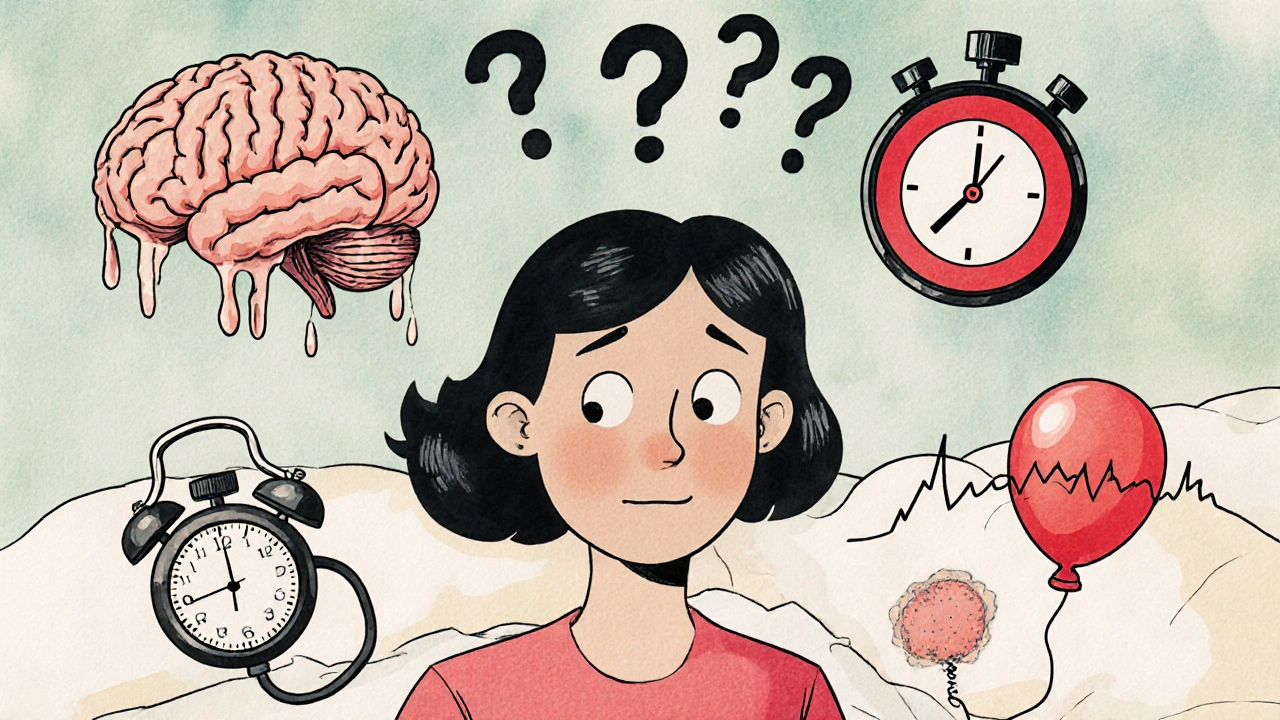
Autoimmune Encephalitis: Red Flags, Antibodies, and Treatment
- 9 Comments
- Nov, 24 2025
Autoimmune encephalitis is a rare but treatable brain disorder caused by the immune system attacking brain proteins. Early signs include seizures, memory loss, and psychiatric symptoms. Key antibodies like anti-NMDAR and anti-LGI1 guide diagnosis and treatment. Fast action improves recovery chances dramatically.