Autoimmune Encephalitis: Causes, Symptoms, and Treatment Options
When your immune system turns against your own brain, it’s not just rare—it’s dangerous. Autoimmune encephalitis, a condition where the body’s immune system mistakenly attacks brain tissue, causing inflammation and neurological dysfunction. Also known as antibody-mediated encephalitis, it can strike suddenly with confusion, seizures, memory loss, or even psychosis—symptoms often mistaken for psychiatric illness or stroke. Unlike infections that come from outside the body, this is an internal betrayal. The immune system, designed to protect you, starts producing antibodies that target proteins in your brain—most commonly NMDA receptors, but also LGI1, CASPR2, and others. These antibodies disrupt communication between nerve cells, leading to real, measurable brain changes.
This isn’t just a brain issue—it’s connected to other parts of your health. Autoimmune disorders, a group of conditions where the immune system attacks the body’s own tissues like lupus or Hashimoto’s can increase your risk. And as shown in post 61590, chronic lymphocytic leukemia (CLL) often triggers autoimmune complications, including encephalitis. It’s not just about antibodies—it’s about the body’s overall immune balance. In some cases, a hidden tumor (like an ovarian teratoma) sparks the immune response. Remove the tumor, and the encephalitis often improves. That’s why doctors don’t just treat symptoms—they look for the root trigger.
Diagnosis isn’t simple. MRIs might look normal at first. EEGs can show abnormal brain waves. But the real clue? Antibodies in your spinal fluid. Blood tests alone aren’t enough. That’s why many patients go months undiagnosed, mislabeled as having depression or schizophrenia. Once confirmed, treatment starts fast. Immunotherapy, a treatment approach that modifies the immune system’s activity to fight disease is the cornerstone. Steroids, IVIG, plasma exchange—these aren’t just drugs, they’re emergency tools to shut down the attack. For stubborn cases, drugs like rituximab or cyclophosphamide are used to reset the immune system entirely. Recovery takes time. Some people bounce back in weeks. Others need months of rehab. But with early treatment, many regain most or all of their function.
What you’ll find below isn’t just a list of articles. It’s a collection of real-world insights on how autoimmune encephalitis connects to broader health issues—from medication safety during immune suppression, to how steroids like dexamethasone are used in brain swelling, to how patients manage long-term recovery. You’ll see how drug interactions matter when you’re on multiple immunotherapies, why medication adherence is critical, and how to spot warning signs before they escalate. This isn’t theoretical. It’s what people actually face—and what works when the system turns against them.
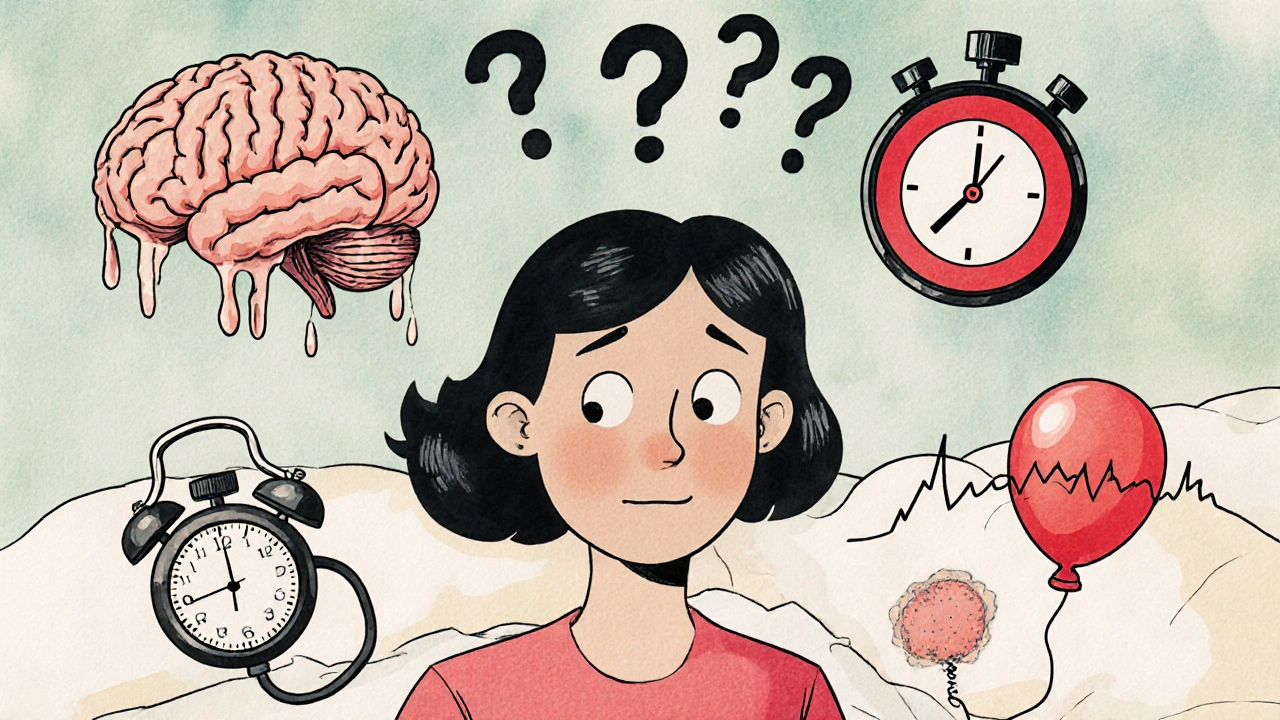
Autoimmune Encephalitis: Red Flags, Antibodies, and Treatment
- 9 Comments
- Nov, 24 2025
Autoimmune encephalitis is a rare but treatable brain disorder caused by the immune system attacking brain proteins. Early signs include seizures, memory loss, and psychiatric symptoms. Key antibodies like anti-NMDAR and anti-LGI1 guide diagnosis and treatment. Fast action improves recovery chances dramatically.