Autoimmune Brain Disease: Causes, Symptoms, and Related Conditions
When your body’s immune system turns against itself, it can target the brain and spinal cord — this is autoimmune brain disease, a group of conditions where the immune system mistakenly attacks nerve tissue in the central nervous system. Also known as CNS autoimmunity, it’s not one single illness but a cluster of disorders that disrupt how your brain communicates with your body. Unlike infections or injuries, these diseases creep in silently. Symptoms like memory lapses, vision problems, muscle weakness, or sudden mood shifts aren’t always linked to something obvious — until tests reveal your immune system is the culprit.
One of the most studied forms is multiple sclerosis, a chronic condition where immune cells damage the protective coating around nerve fibers. But it’s not the only one. Others include neuromyelitis optica, autoimmune encephalitis, and paraneoplastic syndromes. What ties them together? neuroinflammation, the persistent swelling and irritation inside the brain caused by immune cells crossing the blood-brain barrier. This isn’t just a side effect — it’s the core driver of damage. And here’s the twist: some of these conditions don’t show up on standard MRI scans. They’re diagnosed through blood tests, spinal fluid analysis, and ruling out everything else.
What makes autoimmune brain disease even trickier is how often it overlaps with other immune disorders. People with autoimmune disorders, like lupus, rheumatoid arthritis, or thyroid disease, are more likely to develop neurological symptoms. In fact, chronic lymphocytic leukemia — a blood cancer — can trigger autoimmune reactions that affect the brain, as shown in recent clinical reports. These aren’t random coincidences. They’re signs your immune system is out of balance, and your nervous system is paying the price.
There’s no cure yet, but treatments are improving fast. Steroids like dexamethasone help calm flare-ups. Immune-suppressing drugs stop attacks before they start. And for some, plasma exchange removes the harmful antibodies outright. What’s emerging now are targeted therapies — drugs that block specific immune signals without shutting down your whole defense system. The goal isn’t just to manage symptoms, but to stop the attack before it scars your brain.
What you’ll find in the posts below isn’t just a list of articles. It’s a practical guide to how these diseases connect to real-world issues: drug safety, treatment alternatives, and how other conditions like liver disease or allergies can complicate care. You’ll see how medications like Decadron are used to reduce brain swelling, why avoiding certain drugs matters if you’re already immunocompromised, and how digital tools help patients stick to complex treatment plans. This isn’t theory — it’s what people are dealing with every day.
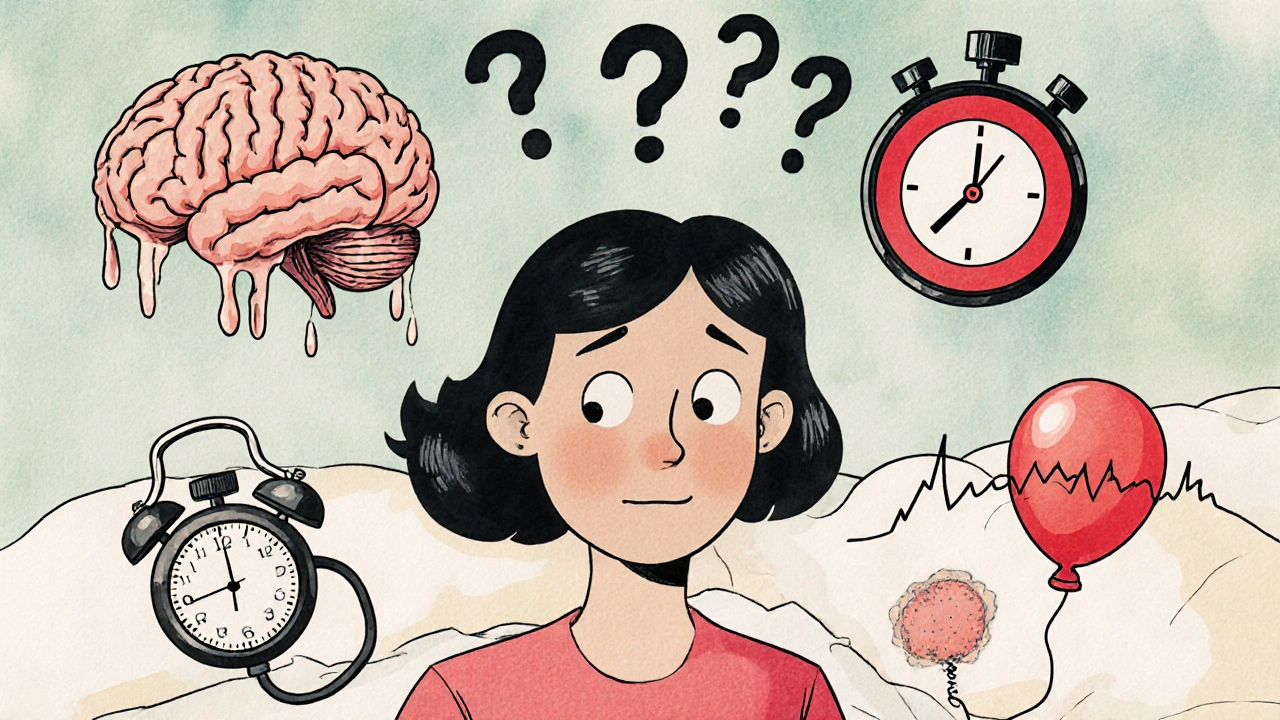
Autoimmune Encephalitis: Red Flags, Antibodies, and Treatment
- 9 Comments
- Nov, 24 2025
Autoimmune encephalitis is a rare but treatable brain disorder caused by the immune system attacking brain proteins. Early signs include seizures, memory loss, and psychiatric symptoms. Key antibodies like anti-NMDAR and anti-LGI1 guide diagnosis and treatment. Fast action improves recovery chances dramatically.