anti-NMDAR: What It Is, How It Affects the Brain, and Related Treatments
When your immune system mistakenly attacks anti-NMDAR, antibodies that target N-methyl-D-aspartate receptors in the brain. Also known as NMDAR antibodies, these proteins disrupt how brain cells communicate, leading to confusion, seizures, and sometimes loss of consciousness. This isn’t just a rare lab finding—it’s a real condition called anti-NMDAR encephalitis, and it’s more common than most doctors realize.
These antibodies don’t just cause vague symptoms. They directly interfere with memory, emotion, and movement by blocking the NMDA receptors, which are critical for learning and brain plasticity. People often start with flu-like symptoms, then develop memory loss, hallucinations, or odd movements like lip-smacking or arm flailing. In severe cases, patients end up in intensive care needing breathing support. The good news? Early treatment with steroids, IVIG, or plasma exchange can reverse most of the damage. Many patients recover fully, especially when treated fast.
What makes anti-NMDAR different from other brain disorders is how it links to other conditions. For example, in young women, it’s often tied to ovarian tumors called teratomas. Removing the tumor can stop the antibody production. In others, it shows up after infections or alongside other autoimmune diseases like lupus. It’s not just a neurological issue—it’s a whole-system problem. That’s why diagnosis requires checking blood, spinal fluid, and sometimes doing full-body scans.
You won’t find anti-NMDAR in every doctor’s playbook yet, but awareness is growing. Hospitals now use antibody panels to test patients with unexplained psychiatric or neurological episodes. And as more cases are documented, treatment protocols are becoming more standardized. This isn’t just about drugs—it’s about recognizing patterns. If someone suddenly acts out of character, has seizures without a prior history, or doesn’t respond to typical psychiatric meds, anti-NMDAR should be on the list.
Below, you’ll find real patient-focused guides that connect to this condition. Some explain how immunotherapy works, others compare treatments for autoimmune brain inflammation, and a few show how to track symptoms over time. You’ll also see how medications like steroids and IVIG are used, and why some patients need long-term monitoring. These aren’t abstract theories—they’re practical tools used in clinics today to help people get back to normal life.
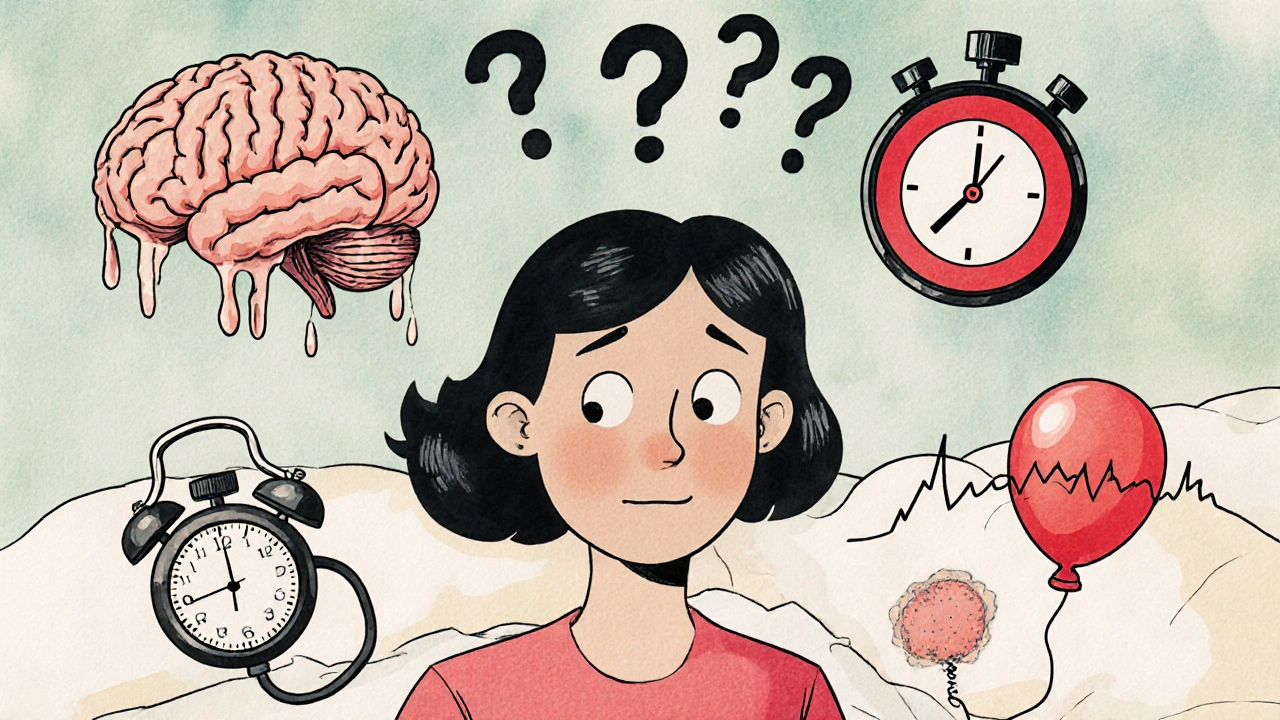
Autoimmune Encephalitis: Red Flags, Antibodies, and Treatment
- 9 Comments
- Nov, 24 2025
Autoimmune encephalitis is a rare but treatable brain disorder caused by the immune system attacking brain proteins. Early signs include seizures, memory loss, and psychiatric symptoms. Key antibodies like anti-NMDAR and anti-LGI1 guide diagnosis and treatment. Fast action improves recovery chances dramatically.