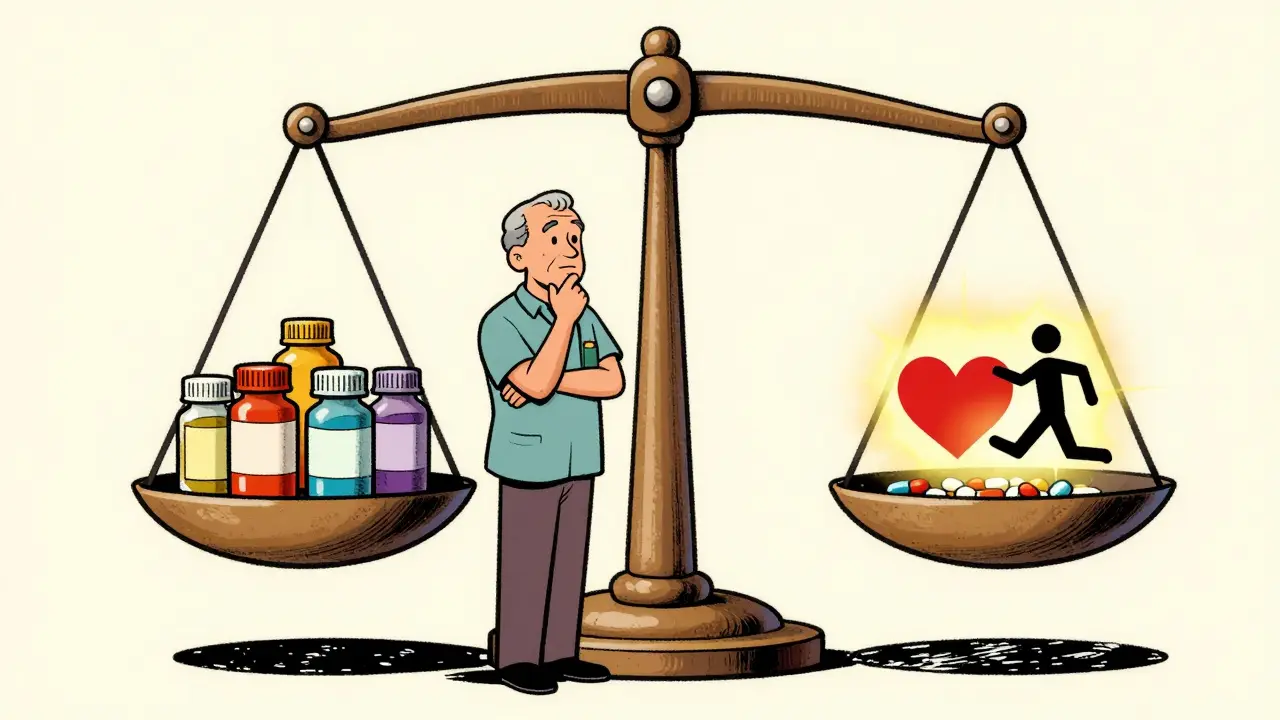
Acid Suppression: What It Is, How It Works, and What You Need to Know
When your stomach makes too much acid—or it backs up into your esophagus—you get heartburn, reflux, or worse. That’s where acid suppression, the use of medications to reduce stomach acid production or neutralize it. Also known as gastric acid reduction, it’s one of the most common treatments for GERD, ulcers, and chronic indigestion. But not all acid suppression is the same. Some drugs block acid at the source. Others just coat the damage. And some? They do more harm than good over time.
The two main players are proton pump inhibitors, drugs like omeprazole and esomeprazole that shut down the stomach’s acid-producing pumps and H2 blockers, medications like famotidine and ranitidine that reduce acid by blocking histamine signals. PPIs are stronger, longer-lasting, and far more popular—but they’re also linked to long-term risks like nutrient deficiencies, bone loss, and kidney issues. H2 blockers are milder, work faster, and are safer for occasional use. But neither fixes the root cause. They just hide the symptoms.
Here’s the thing: most people on acid suppression don’t need it long-term. A 2023 study in JAMA found nearly half of patients on PPIs could stop safely with gradual tapering and lifestyle changes. Weight loss, avoiding late meals, cutting out spicy or fatty foods, and quitting smoking often cut reflux in half—without a pill. And if you’re taking acid suppressants just because your doctor handed you a script years ago? It’s worth asking if you still need it.
Some people need these meds. People with ulcers, Barrett’s esophagus, or severe GERD that won’t quit. But for many, acid suppression becomes a habit, not a solution. And habits are hard to break—especially when you’ve been told for years that your stomach is "too acidic." The truth? Most of us have plenty of acid. The problem is where it’s going, not how much is there.
Below, you’ll find real-world guides on how these drugs work, when they’re necessary, and how to safely get off them. You’ll see comparisons between brands and generics, warnings about hidden risks, and alternatives that actually work. Whether you’re on a PPI right now, thinking about starting one, or just tired of feeling bloated after dinner, this collection gives you the facts—not the hype.
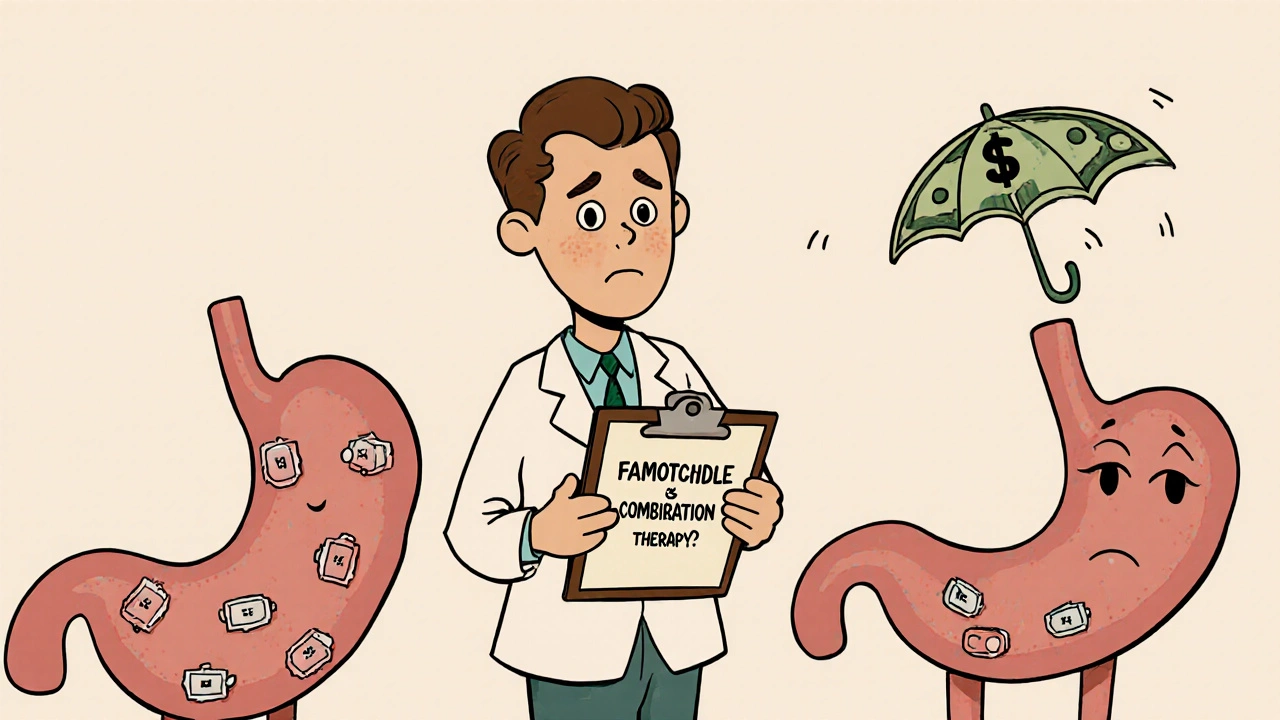
H2 Blockers and PPIs: When Combining Acid Reducers Can Do More Harm Than Good
- 15 Comments
- Nov, 25 2025
Combining H2 blockers and PPIs for acid reflux is common but often unnecessary. Learn why this dual therapy increases risks without adding benefit - and what to do instead.