Serotonin Syndrome Risk Assessment Tool
Assess Your Risk Level
This tool estimates your risk of serotonin syndrome when considering SAMe with your antidepressant. Based on your current medications and health history.
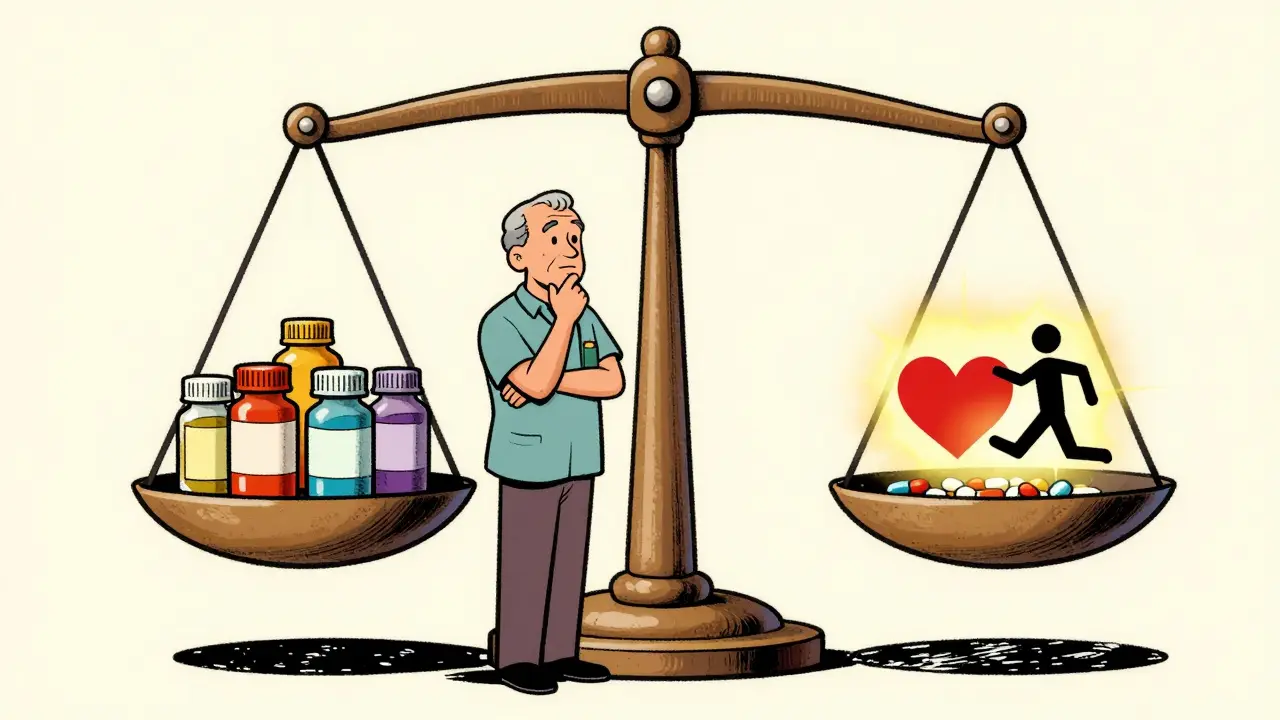
People looking for relief from depression often turn to supplements like SAMe hoping for a gentler, more natural option. But combining SAMe with antidepressants isn’t as simple as popping two pills. It can be safe for some - but dangerous for others. The risk isn’t theoretical. Real people have ended up in the ER because of it.
What is SAMe, really?
SAMe, or S-adenosylmethionine, is a compound your body makes naturally. It’s involved in over 200 chemical reactions, including making brain chemicals like serotonin, dopamine, and norepinephrine. That’s why it’s been studied for depression. Unlike prescription antidepressants, SAMe isn’t approved by the FDA as a drug. It’s sold as a dietary supplement, which means manufacturers don’t have to prove it works before putting it on the shelf.
Most SAMe supplements come in enteric-coated tablets - designed to survive stomach acid so your body can actually absorb them. Without this coating, less than 5% of the dose gets through. With it, absorption jumps to about 95%. But even then, your body doesn’t always process it the same way as someone else’s. Studies show individual absorption varies between 15% and 50%. That’s why two people taking the same dose can have completely different results.
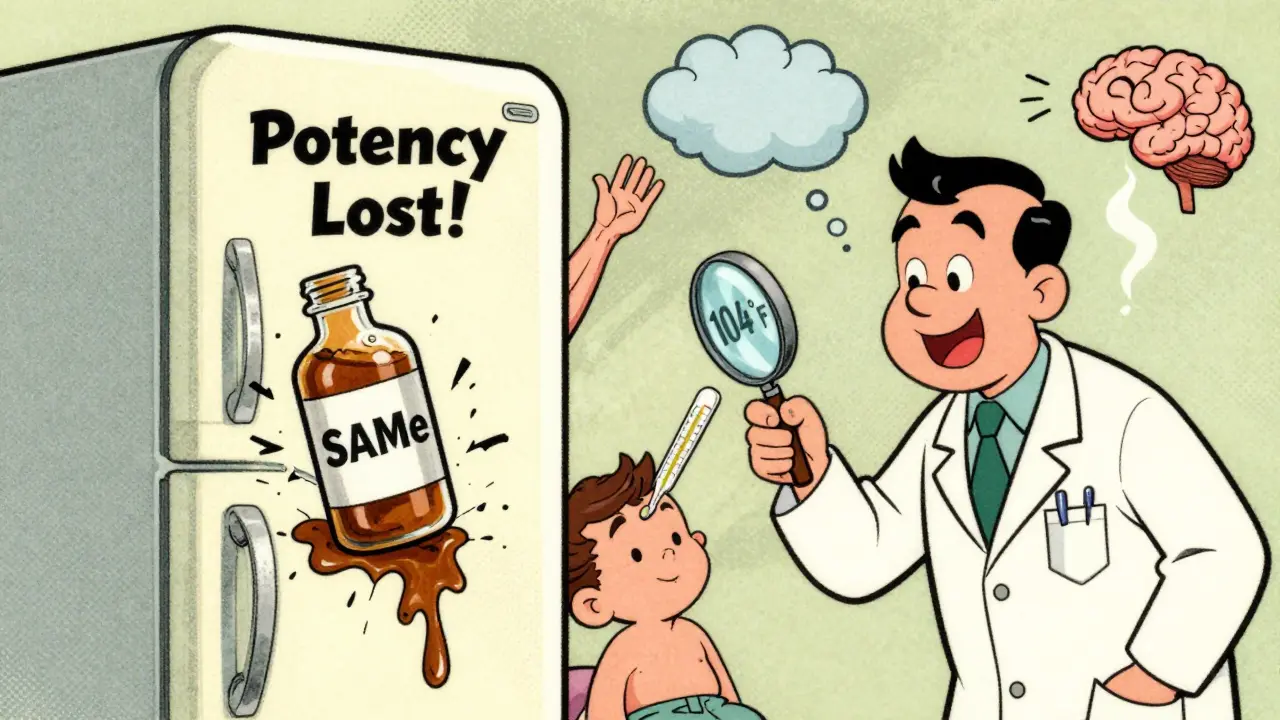
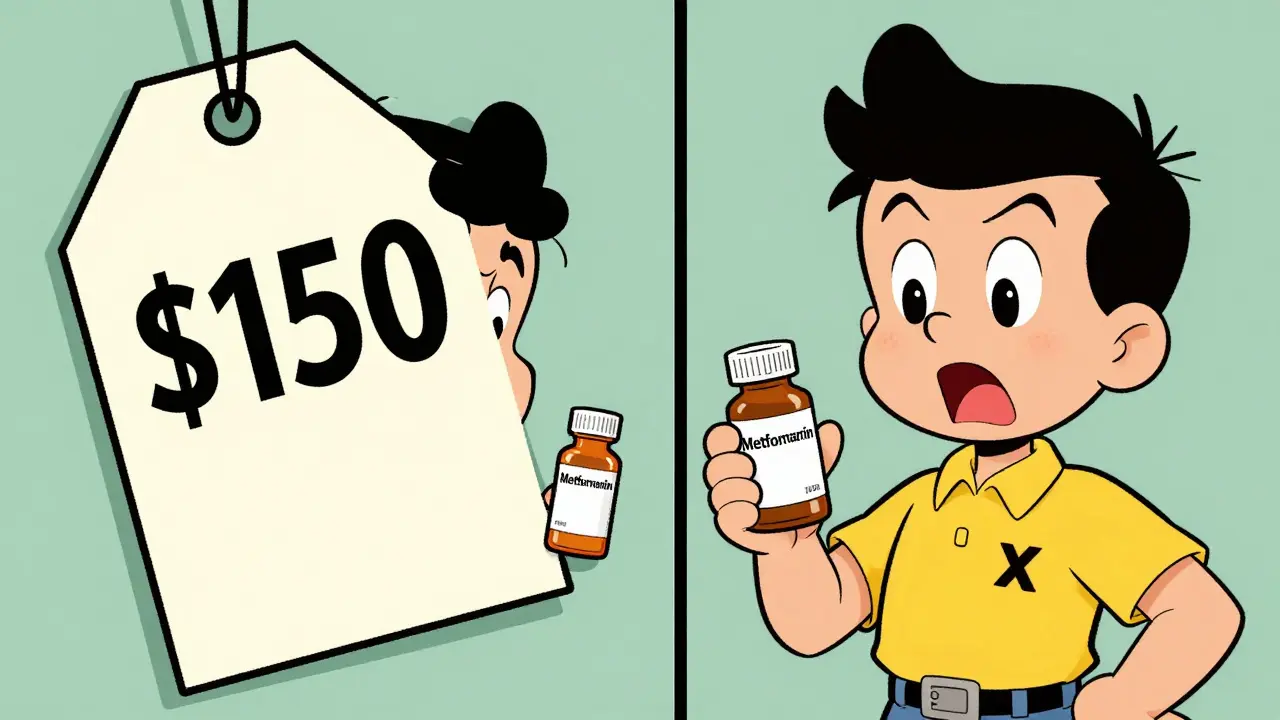
It’s also expensive. A month’s supply can cost between $80 and $120. And it needs to be kept cold - refrigerated at 2-8°C - or it breaks down. Many people don’t realize this, and their supplements lose potency before they even take them.
How fast does SAMe work?
One of the biggest draws of SAMe is speed. While SSRIs like Prozac or Zoloft usually take 4 to 6 weeks to kick in, SAMe can start working in as little as 7 to 10 days. That’s why some doctors consider it for people who haven’t responded to antidepressants after a few months.
Studies show SAMe helps about 35% to 50% of people with mild to moderate depression. That’s less than the 60% to 70% response rate seen with standard antidepressants. But in cases of depression tied to joint pain - like osteoarthritis - SAMe has shown extra benefits. One study found patients on SAMe plus duloxetine had 30% more pain relief than those on duloxetine alone.
Still, SAMe doesn’t work for everyone. In severe, melancholic depression, remission rates are only around 18%. Compare that to venlafaxine, which works in 42% of those cases. So if your depression is deep, SAMe alone won’t cut it.
Why combining SAMe with antidepressants is risky
The real danger comes when SAMe is mixed with SSRIs, SNRIs, or other antidepressants that affect serotonin. Both SAMe and these drugs increase serotonin levels - but in different ways. SAMe boosts production and blocks reuptake. Antidepressants mainly block reuptake. Together, they can push serotonin levels too high.
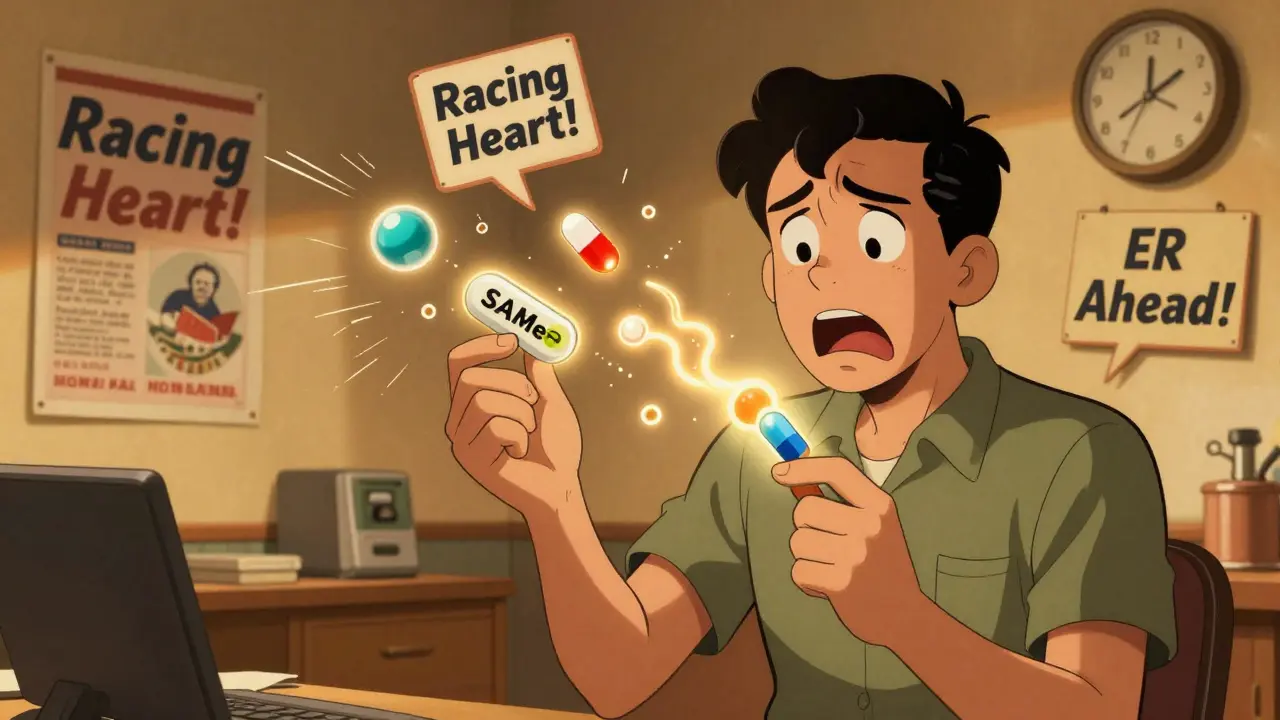
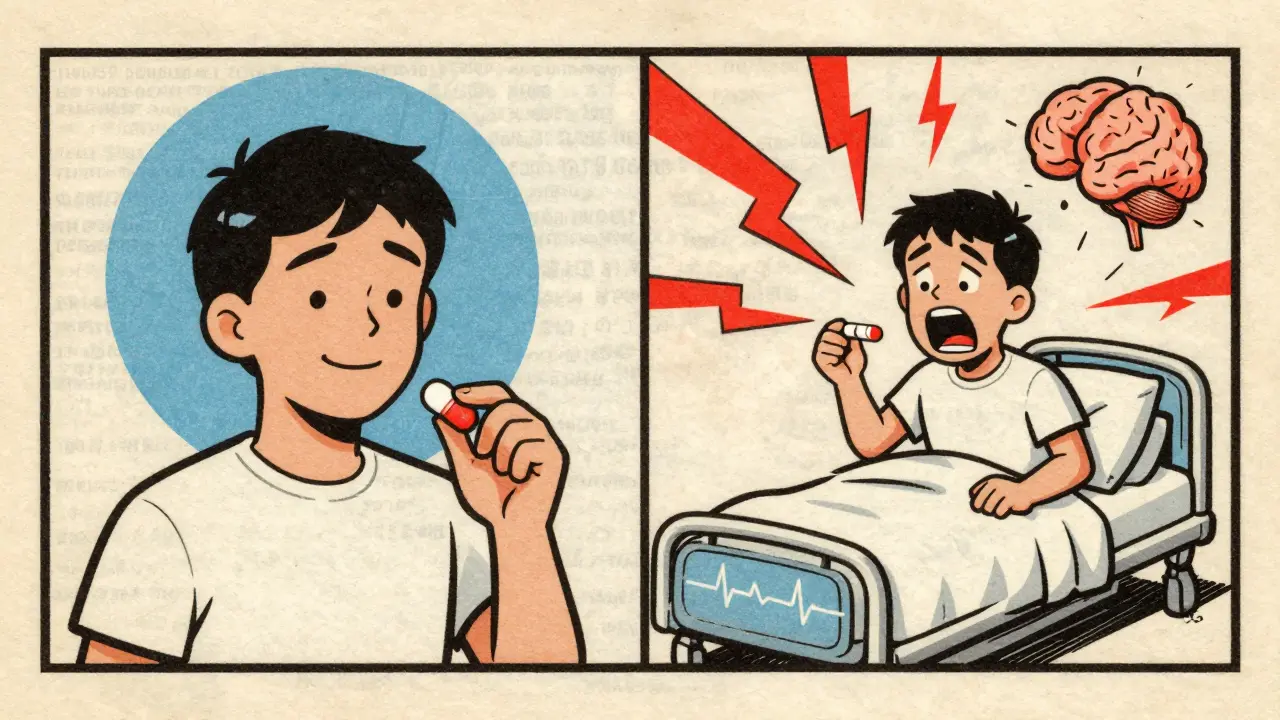
This leads to serotonin syndrome - a potentially life-threatening condition. Symptoms include:
- Racing heart
- Muscle rigidity or twitching
- High body temperature
- Sweating
- Confusion or agitation
- Shivering
The Hunter Criteria - used by doctors to diagnose serotonin syndrome - includes spontaneous clonus, inducible clonus with agitation, or tremor with hyperreflexia and fever. If you’re taking SAMe and an antidepressant and suddenly feel off, don’t wait. Go to the ER.
There are only about 12 published case reports of serotonin syndrome linked to SAMe-antidepressant use since 2000. But that doesn’t mean it’s rare. Many cases go unreported or get misdiagnosed. The FDA’s adverse event database shows 32 reports of interactions between SAMe and antidepressants between 2018 and 2022. Nine were classified as serious, including two confirmed serotonin syndrome cases.
One Reddit user, u/DepressionWarrior2020, shared: “Started 400mg SAMe with my 20mg Prozac and had severe serotonin syndrome symptoms within 3 days - racing heart, muscle rigidity, confusion. ER visit confirmed it.”
On the other hand, another person on Healthline said: “My doctor added 800mg SAMe to my Zoloft after 6 months of partial response. No issues after 8 months, and my PHQ-9 score dropped from 16 to 7.”
So it’s not guaranteed to cause harm - but the risk is real and unpredictable.
Who should avoid SAMe with antidepressants?
Unless you’re under close medical supervision, you shouldn’t combine them. The American Psychiatric Association doesn’t recommend SAMe for routine use. The European Food Safety Authority banned it entirely in 2015 over safety concerns. Even in the U.S., where it’s still sold, the Mayo Clinic and Natural Medicines Database both rate the interaction as “Major - Use Caution.”
Here’s who should stay away:
- Anyone currently on an SSRI, SNRI, MAOI, or tricyclic antidepressant
- People with bipolar disorder - SAMe can trigger mania
- Those with a history of serotonin syndrome
- Anyone taking migraine meds like triptans or painkillers like tramadol
Even if you’ve been on an antidepressant for years without problems, adding SAMe can change the game. Your body’s chemistry isn’t static. Stress, sleep, diet, and even gut bacteria can shift how you respond.
What if you still want to try it?
If you and your doctor decide to try SAMe alongside your antidepressant, here’s how to do it safely:
- Start low. Begin with 200mg twice daily. Never jump to 800mg or 1600mg right away.
- Go slow. Increase by 200mg every 5 to 7 days. Don’t rush.
- Watch closely. Pay attention to your body for the first 2 to 4 weeks - that’s when 85% of adverse events happen.
- Take with food. SAMe can cause nausea or stomach upset. Eating helps reduce this in about 65% of users.
- Split doses. If you feel jittery or can’t sleep, take one dose in the morning and one at lunch - never at night.
- Check the label. A 2022 ConsumerLab analysis found 32% of SAMe products contained less active ingredient than stated. Buy from reputable brands like Doctor’s Best or NOW Foods.
Also, keep in mind: many supplements don’t even warn you about interactions. A 2021 study found only 37% of SAMe products included clear warnings about combining with antidepressants.
Quality matters - and it’s often lacking
Because SAMe is a supplement, there’s no standardization. Brands vary wildly in purity, potency, and stability. Amazon reviews show 42% of negative feedback says “ineffective for depression.” That’s not always because it doesn’t work - sometimes it’s because the pill you bought had barely any SAMe in it.
Refrigeration is another hidden issue. If your bottle sat on a warm shelf for weeks before you bought it, the active ingredient may already be broken down. Always check the expiration date and storage instructions.
Is SAMe worth it?
For some, yes. If you’ve tried multiple antidepressants with little improvement, SAMe might be a helpful add-on - but only under a doctor’s watchful eye. It’s not a replacement. It’s not a cure. And it’s not risk-free.
The research is still evolving. A major NIH-funded trial (NCT04821234) is currently testing SAMe combined with escitalopram. Results are expected in mid-2024. Until then, the evidence remains mixed.
What’s clear is this: SAMe isn’t a harmless herbal tea. It’s a powerful biochemical agent with real drug-like effects. Treating it like a vitamin could cost you more than money - it could cost you your health.
If you’re considering SAMe, talk to your doctor first. Bring the bottle. Ask: “Is this safe with what I’m already taking?” Don’t assume it’s okay just because it’s sold over the counter. Your brain chemistry is too important to guess with.
What are the side effects of SAMe alone?
Even without antidepressants, SAMe can cause side effects. The most common are digestive: nausea, gas, diarrhea, and upset stomach. About 22% of users report increased anxiety at first - often before mood improves. This is called a biphasic response. It usually fades within a week or two.
Insomnia is another issue, affecting around 18% of users. That’s why timing matters. Taking SAMe in the afternoon or evening can keep you awake. Stick to morning or early afternoon doses.
Less common but serious side effects include mania (especially in people with bipolar disorder) and headaches. If you’ve ever had a manic episode, SAMe could trigger it again.
How does SAMe compare to other supplements for depression?
SAMe isn’t the only supplement studied for depression. Others include:
- St. John’s Wort - has more evidence than SAMe for mild depression, but interacts with over 50 drugs, including birth control and blood thinners.
- Omega-3s - safer, with fewer interactions, but slower and milder effects.
- Vitamin D - helpful if you’re deficient, but not a standalone treatment.
- 5-HTP - another serotonin booster. Even riskier than SAMe when combined with antidepressants.
SAMe stands out because it’s not just a serotonin booster. It affects dopamine and norepinephrine too. That’s why it’s sometimes more effective than other supplements. But that same broad action is what makes it dangerous when mixed with meds.
What’s the future of SAMe in depression treatment?
Researchers are working on new versions of SAMe that are less likely to cause serotonin issues. Two modified forms - SAMe-PEG and SAMe-phospholipid complexes - are in early trials. Early results in animal models show a 40% drop in interaction risk.
There’s also growing interest in personalized medicine. Some people may have genetic traits that make them respond better to SAMe. If testing becomes cheaper and more accessible, SAMe could find a targeted role in depression care.
But for now, it remains a niche option - one that’s only worth considering when standard treatments haven’t worked, and only when monitored by a professional.
Final thoughts
SAMe isn’t evil. It’s not magic. It’s a tool - and like any tool, it can help or hurt depending on how you use it. The idea that natural equals safe is dangerous. SAMe interacts with antidepressants in ways that can be deadly. The fact that it’s available without a prescription doesn’t mean it’s harmless.
If you’re thinking about trying it, don’t do it alone. Talk to your doctor. Show them the bottle. Ask about your specific meds. And never, ever start or stop without guidance.
Your mood matters. Your safety matters more.
Darren McGuff
January 9, 2026 AT 10:39Okay, I’ve been on SAMe for 11 months now with sertraline-no issues. But I started at 200mg, took it with food, and monitored like a hawk. My doc even checked my liver enzymes. It’s not magic, but it helped me finally get out of bed. Just don’t go full cowboy with 1600mg on day one. I’ve seen people do that and end up in the ER. Don’t be that guy.
Also-REMEMBER TO REFRIGERATE. I bought a bottle from Amazon that was warm to the touch. Zero effect. Got a new one from a pharmacy that keeps it cold. Game changer.
Ashley Kronenwetter
January 10, 2026 AT 20:09While I appreciate the detailed breakdown, I must emphasize that the FDA does not regulate dietary supplements for safety or efficacy prior to market entry. The absence of formal approval for SAMe as a therapeutic agent means that consumer reliance on anecdotal reports-however compelling-cannot substitute for clinical guidance. The potential for serotonin syndrome remains a documented, life-threatening risk, and self-experimentation without physician oversight is inadvisable.
Heather Wilson
January 11, 2026 AT 14:17Let’s be real-this whole post is just fearmongering dressed up as ‘science.’ You cite 12 case reports like they’re a pandemic, but SSRIs cause more deaths from withdrawal than SAMe ever has. And you ignore the fact that millions of people take it without incident. Also, why is it that when something works for people, you call it ‘anecdotal,’ but when Big Pharma’s drugs cause 50,000 deaths a year from side effects, it’s ‘evidence-based’? Hypocrisy is exhausting.
And don’t even get me started on the ‘refrigerate or it’s useless’ nonsense. My grandma kept hers in the pantry for 6 months and swore it worked. You’re overcomplicating this to sell more doctor visits.
Jeffrey Hu
January 11, 2026 AT 21:30Everyone’s missing the real issue here: SAMe’s methylating effect. It doesn’t just boost serotonin-it alters epigenetic expression via methylation. That’s why some people get sudden mood swings or mania. It’s not just serotonin syndrome-it’s a biochemical cascade. And if you’ve got MTHFR mutations? You’re basically playing Russian roulette with your neurotransmitters.
I’ve seen patients on 800mg SAMe + fluoxetine develop acute psychosis within 72 hours. No joke. Genetic testing should be mandatory before even considering this combo. But nope, we let people buy it like protein powder. What a mess.
Matthew Maxwell
January 13, 2026 AT 11:22If you’re taking SAMe with antidepressants, you’re not ‘trying to be natural’-you’re being reckless. You think you’re smarter than the system? You’re not. The fact that you’re even considering this without a psychiatrist’s approval shows a fundamental misunderstanding of neurochemistry. You’re not ‘optimizing your health.’ You’re gambling with your brain.
And yes, I’ve seen people die from this. Not ‘maybe.’ Not ‘possibly.’ I’ve held the hands of people in the ICU because they thought ‘natural’ meant ‘safe.’ Wake up.
Angela Stanton
January 13, 2026 AT 11:34OMG I just tried this combo after reading a blog and now I’m basically a human taser 😵💫🤯 I took 400mg SAMe + Lexapro and within 2 days: muscle twitches, heart racing, felt like my brain was vibrating. Called my doc-she was like ‘oh god, stop immediately.’
Also, the bottle I bought? Had 37% less SAMe than labeled. So I paid $100 for placebo vibes. 💸
TL;DR: Don’t be me. Get tested. Get professional. Don’t trust Amazon reviews. 🙏
Kiruthiga Udayakumar
January 14, 2026 AT 08:41People in India have been using SAMe for years in Ayurveda without any of this drama. You Westerners turn everything into a medical emergency. I take 200mg daily with my fluoxetine and I feel better than ever. My blood pressure is normal, my sleep is great, and I’m not in the ER. Maybe your body just can’t handle it? Not the supplement.
Stop scaring people. Natural doesn’t mean dangerous. Your fear is the real toxin.
Patty Walters
January 15, 2026 AT 17:58Just wanted to say-I’ve been on SAMe for 14 months with citalopram. No issues. But I did three things: started at 200mg, kept it in the fridge, and bought Doctor’s Best. I also told my doctor before starting. It’s not about being scared-it’s about being smart.
Also, the nausea? Totally real. Took it with oatmeal and it vanished. And yeah, I got insomnia at first-switched to morning dose. Easy fix.
Don’t overthink it. But don’t underthink it either.
Phil Kemling
January 16, 2026 AT 16:07What’s interesting is how we treat SAMe as a ‘supplement’ when it’s clearly a neuroactive compound with pharmacokinetics rivaling SSRIs. We’ve created a regulatory gray zone where biochemical agents are sold like vitamins, and then we act shocked when people get hurt.
It’s not that SAMe is evil-it’s that our cultural relationship with ‘natural’ is infantile. We want the power of medicine without the responsibility of science. That’s the real danger here-not the molecule, but the mindset.
Diana Stoyanova
January 16, 2026 AT 19:06Y’all are overcomplicating this so much. I was depressed for 7 years. Tried 5 meds. Nothing worked. Then I added SAMe-started at 200mg, took it with breakfast, kept it cold, and boom-within 10 days, I cried for the first time in years… and it wasn’t from sadness. It was relief.
I’m not a doctor. I’m not a scientist. I’m just someone who finally felt human again. Yes, there are risks. But so is driving a car. So is eating sugar. So is sitting on your couch scrolling for 8 hours a day.
Don’t let fear paralyze you. Do your homework. Talk to your doctor. Be smart. But don’t let the noise steal your healing. You deserve to feel better.
P.S. I bought mine from Thorne. No regrets. And yes, I refrigerate it like it’s milk. 😘
Elisha Muwanga
January 17, 2026 AT 02:16Look, I’m not against supplements. But this whole ‘natural is better’ thing is a scam pushed by Silicon Valley billionaires who sell overpriced powders. SAMe costs $100 a month? That’s a ripoff. And you want people to risk serotonin syndrome for a product that’s not even regulated? In America, we let people buy guns without background checks-and now we let them buy brain-altering chemicals off Amazon?
This isn’t freedom. It’s negligence. And it’s killing people. Wake up.