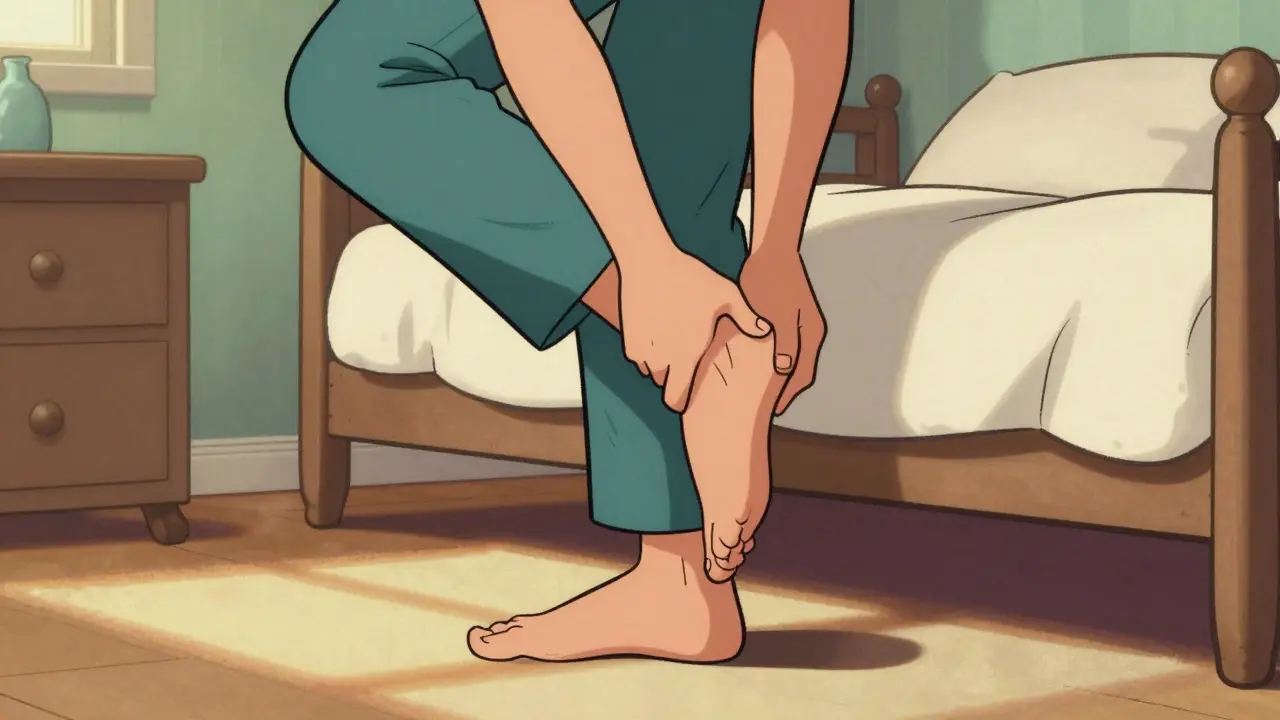
You wake up, step off the bed, and immediately feel a sharp stab in your heel. It’s that agonizing first step after sitting down that many of us recognize instantly. While most call it plantar fasciitis, medical experts now prefer the term plantar fasciopathy. This shift in naming isn't just semantics; it changes how we treat the problem. Research from 2019 published by the American Academy of Family Physicians confirms that tissue samples show degeneration, not significant inflammation. Understanding this difference is crucial because treating it like an acute injury often leads to frustration.
Quick Takeaways
- The condition affects 10% of the population, peaking between ages 40-60 due to cumulative tissue wear.
- Standard calf stretches are less effective than targeting the plantar fascia directly with towel pulls.
- Corticosteroid injections carry a risk of rupture and should generally be avoided in early stages.
- Night splints and specific daily stretching protocols resolve 80-90% of cases within a year.
- Pain usually improves after walking 10 minutes but returns later in the day if strain continues.
Understanding the Anatomy and Mechanics
To fix your heel, you need to know what is actually breaking down. The plantar fasciais a thick band of tissue connecting the heel bone to the toes, supporting the arch and absorbing shock originates from the posteromedial calcaneal tuberosity. Think of it as a suspension bridge cable. When you walk, this cable stretches slightly. Over time, repetitive micro-tears occur faster than the tissue can repair itself. Instead of swelling like a typical bruise, the collagen fibers break down, causing myxoid degeneration. This is why ice packs alone rarely cure chronic pain-they address inflammation, which is barely present.
The location of the pain matters immensely for diagnosis. About 76% of patients report the worst discomfort during the first five steps after waking. This phenomenon, known as "first-step pain," happens because the fascia tightens while you sleep. As you stand up, the tissue snaps taut. If you also feel burning sensations over the medial heel, it could be Baxter neuritis, not just fascia damage. Accurate identification prevents wasting money on the wrong treatments. Ultrasound imaging shows clear signs when the fascia thickness exceeds 4.0 mm, whereas normal tissue sits around 2.0-3.5 mm.
Risk Factors You Might Not See Coming
You might wonder why you developed this while your friend hasn’t. It’s rarely random. Data suggests a bimodal distribution: 63% of cases happen in sedentary individuals with a BMI over 27 kg/m², while 37% occur in active runners covering more than 10 miles weekly. Excess body weight places immense pressure on the fascia, acting like extra weight on a trampoline mat. Additionally, limited ankle dorsiflexion-where your calf muscles restrict how far your foot bends upward-is a massive predictor.
| Risk Factor | Odds Ratio (OR) | Context |
|---|---|---|
| BMI > 27 kg/m² | 4.2 | Significantly higher likelihood of tissue degeneration |
| Limited Dorsiflexion | 3.7 | Tight calves force the fascia to work harder |
| Occupations > 4 hrs Standing | 5.1 | Constant loading without rest periods |
| Pes Planus (Flat Feet) | 2.9 | Reduced arch support increases strain |
Jobs requiring prolonged standing, like teachers or factory workers, see prevalence rates hitting 14%. Even if you aren't running marathons, standing still for hours keeps the fascia under constant tension. Reducing load is non-negotiable for long-term recovery. Weight loss alone correlates with a 5.3% reduction in pain for every point of BMI dropped, according to clinical guidelines from 2019.
Why Morning Stretches Are Critical
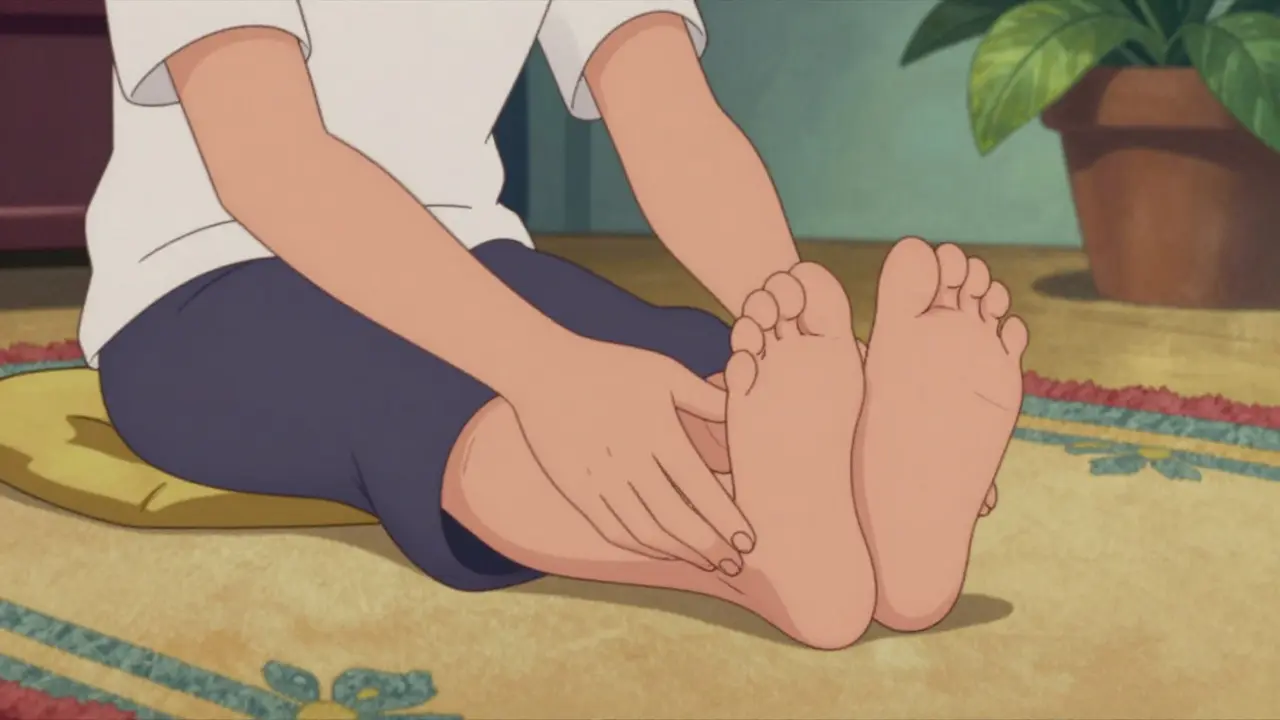
If you skip morning routines, you invite the stabbing pain back. The consensus among orthopaedic surgeons is that specific stretching beats generic exercise. Many people roll a frozen water bottle under their foot. While soothing, it doesn't target the structural restriction effectively enough. Dr. Christopher P. Chiodo highlights that effective stretching requires maximizing toe dorsiflexion directly. You need to pull your toes back toward your shin while seated, holding the position for 10 seconds.
This technique stretches the plantar fascia specifically, unlike hamstring or calf workouts. Consistency dictates success here. University of Rochester protocols show a minimum of three sets of ten repetitions daily is needed for optimal results. If you stop for a few days, symptoms can flare up again quickly. Think of it like watering a plant; missed sessions mean the recovery stalls. Patient forums note that those who maintained these stretches for eight weeks saw pain levels drop from an 8 out of 10 to a 2 out of 10. It requires patience, but the biomechanical payoff is worth it.
Evaluating Medical Interventions
When stretching fails, other tools come into play. However, you must be wary of quick fixes. Corticosteroid injections are popular, yet studies indicate an 18% risk of plantar fascia rupture after multiple doses. They provide temporary relief, averaging 4.2 weeks, but weaken the structural integrity of the ligament. Doctors sometimes order X-rays to look for heel spurs, but remember that 80% of patients have no radiographic spurs, and 15% of painless people have them. Spurs are often a red herring.
Night splints are another option. These devices hold your foot in a neutral, stretched position while you sleep. Clinical trials show 72% improvement at six weeks compared to placebo. The catch is comfort; nearly half of users quit because the device disrupts sleep. If you can tolerate four to five hours of wear nightly, it helps prevent that morning tightening. For stubborn cases, extracorporeal shock wave therapy achieves high success rates after three or four sessions. The cost is steep, ranging from $2,500 to $3,500, and insurance coverage varies significantly.
Finding the Right Footwear Support
Your shoes dictate how your feet land and move. Proper footwear requires about 10-15 mm of heel-to-toe drop to cushion impact without flattening the arch completely. Brands like Brooks Adrenaline GTS or Hoka Clifton score highly for patient satisfaction due to their supportive geometry. If you work in environments where you must take shoes off, consider indoor-specific orthopedic slippers with rigid sole support. Soft, flexible flats increase strain on the fascia.
Custom orthotics demonstrate a 68% pain reduction rate compared to prefabricated versions. They are designed to offload stress specifically at the calcaneal attachment point where the damage occurs. Using over-the-counter inserts works for mild cases, but custom molded devices provide the necessary lift for high-risk individuals. Combining the right shoe with targeted stretching creates the highest probability of full recovery.
Long-Term Outlook and Prevention
Most cases resolve within ten months using conservative management. However, recurrence happens in about 30% of cases, usually linked to stopping maintenance stretching. The fascia needs to remain supple even after pain vanishes. Continuing the routine for a few more weeks ensures the remodeling process completes. Emerging therapies like platelet-rich plasma injections offer alternatives for severe chronic cases, showing 65% pain reduction at six months, though costs remain high. Always consult a specialist before trying unproven methods.
Does having a heel spur cause plantar fasciitis?
No, heel spurs do not typically cause the pain. Up to 15% of people without pain have spurs. The pain comes from the degeneration of the soft tissue fascia, not the bony growth itself.
How long does it take for plantar fasciitis to heal?
Recovery typically takes 6 to 12 months with consistent conservative care. Most patients see significant improvement within 8 weeks of starting proper stretching and footwear adjustments.
Is ice helpful for plantar fasciitis?
Ice helps temporarily reduce surface pain but does not fix the underlying degeneration. Focusing on stretching the fascia provides better long-term functional relief than cold therapy alone.
Should I get a corticosteroid injection immediately?
Guidelines recommend against early injections due to risks of fat pad atrophy or fascia rupture. Try physical therapy and stretching for at least three months before considering this option.
Can running worsen plantar fasciitis?
High impact activities can aggravate the condition if the load exceeds healing capacity. Running is acceptable if modified, but excessive mileage (>10 miles/week) increases recurrence risk significantly.




Vikash Ranjan
March 30, 2026 AT 23:18We always assume inflammation is the root cause but research proves otherwise for decades. Traditional medicine focuses on reducing swelling while ignoring the actual degeneration process. This mismatch explains why so many people struggle with recurring heel pain symptoms. The terminology shift to fasciopathy highlights the need for better diagnostic tools in clinics. Treating a tear with ice packs won’t repair the collagen fibers effectively enough. Mechanical stress accumulates faster than natural regeneration cycles can handle the burden. Doctors need to stop prescribing generic anti-inflammatories for this specific condition entirely.
Biraju Shah
April 1, 2026 AT 14:04People ignore calf flexibility because they think standing still causes less damage than running. Limited ankle dorsiflexion puts massive strain on the plantar fascia during every step taken. Stretching protocols must target the foot directly rather than generic gym routines. Consistency in morning exercises prevents the tightening cycle that causes stabbing first-step pain. Ignoring this mechanical restriction guarantees a return to chronic discomfort quickly.
Carolyn Kask
April 2, 2026 AT 14:32Surely the medical industry changes names just to sell us new treatments instead of fixing old ones. The difference between fasciitis and fasciopathy seems like semantics until you open your wallet. Insurance covers the injections that weaken tissue but rarely the preventative measures required. We trust experts yet their advice changes every single year regarding treatment guidelines.
Ruth Wambui
April 3, 2026 AT 00:37There is clearly a deeper pattern linking ground pollution to soft tissue breakdown rates globally. Modern flooring materials do not allow the feet to breathe or absorb shock naturally anymore. Chemicals in synthetic shoe glues penetrate skin and affect collagen synthesis over time. Our environment dictates our pain levels far more than genetics ever did personally.
Rick Jackson
April 4, 2026 AT 20:29True healing demands patience over intensity in every single step forward.
Beccy Smart
April 6, 2026 AT 13:07Why try hard stretches when you can just rest 😩. Orthotics sound like a nightmare to wear 👟👎. Life is too short for foot pain anyway 🙄.
sanatan kaushik
April 7, 2026 AT 20:20I learned early that listening to your body helps avoid big problems later in life. Walking correctly reduces the load significantly without needing expensive equipment constantly. Small habits like wearing supportive slippers indoors matter more than people think usually.
Debbie Fradin
April 9, 2026 AT 03:01Of course everyone wants a magic pill solution instead of doing the boring daily work required. Recovery feels impossible until you actually commit to the eight-week routine consistently. Hope is great but action fixes the fascia degeneration much better than waiting.
Jonathan Alexander
April 10, 2026 AT 19:44The first step after bed feels like walking on shattered glass instantly. You cannot imagine the agony until you live through those freezing winter mornings alone. My doctor said it was normal but no one talks about the isolation of chronic heel pain. It changes your mood and your entire daily schedule without warning ever.
Charles Rogers
April 12, 2026 AT 17:48The modern approach to heel pain ignores the bigger picture of daily load management. We focus too much on the inflammation rather than the structural breakdown. Collagen fatigue happens silently before any symptom appears. Ignoring early signs leads to months of unnecessary suffering later on. Stretching routines fail when the arch support remains insufficient. People buy cheap inserts that do nothing for the calcaneal attachment. The tension stays high during sleep without proper night splints. Morning stiffness returns because the tissue never got true rest during the night. Shoes play a huge role in how forces travel through the leg bone. Flat surfaces offer zero benefit for chronic cases needing elevation. Custom molds cost money but prevent surgery eventually. Insurance companies often deny coverage for these necessary interventions. Patients end up paying thousands later to fix what could be stopped early. Prevention requires discipline beyond simple stretching protocols after waking. Consistency over years beats aggressive therapy sessions done once a week.
Adryan Brown
April 13, 2026 AT 13:50Everyone agrees that finding balance between activity and rest creates the best long term outcomes. Rushing recovery often triggers flare ups that undo weeks of solid progress made. Listening to professional guidance ensures safety during the rebuilding phase completely.