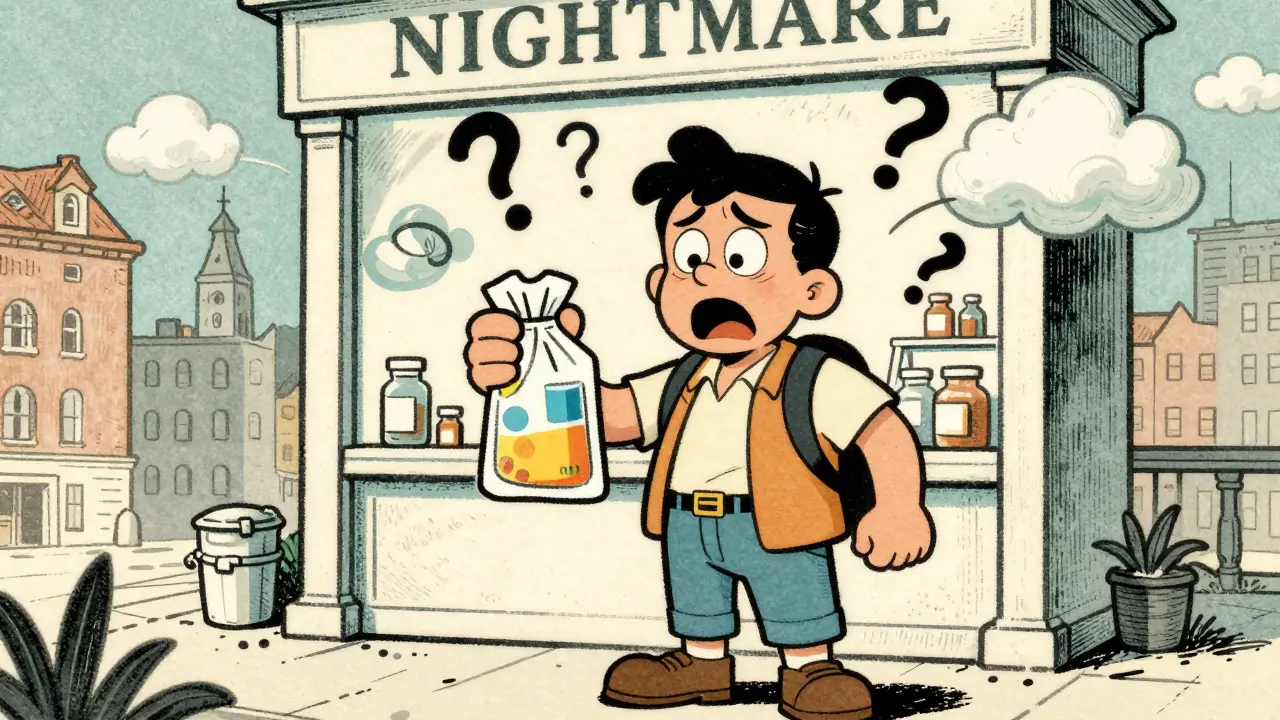
Imagine landing in a foreign country, only to realize your medication bag was stolen or lost. Now imagine trying to explain a complex medical condition to a local pharmacist without a single piece of evidence that you're actually prescribed the drug. It's a nightmare scenario, but it happens more often than you'd think. While doctors often tell us to keep backup copies of our meds, they rarely explain how to do it without turning your private health data into an open book for anyone who finds your phone or wallet.
The problem is that most of us just take a quick photo of the script and leave it in our camera roll. But your photo gallery isn't a secure vault. Between cloud syncs and unsecured devices, your most sensitive health information is often just one lost password away from being public. The goal is to find a balance: you need your backup prescriptions to be accessible in an emergency, but locked down enough that they can't be misused by others.
Quick Summary: Secure Prescription Management
- Avoid storing plain photos of prescriptions in your main gallery; use encrypted vaults instead.
- Prioritize official pharmacy portals over third-party "reminder" apps.
- Carry physical copies in a tamper-evident, locked travel organizer.
- Always keep a verified list of generic drug names, as brand names vary by country.
The Risks of the "Quick Photo" Method
Most people treat their smartphone like a digital filing cabinet. They snap a picture of the paper prescription and call it a day. However, standard photo galleries lack the encryption needed for medical data. A 2022 analysis in the Journal of Medical Internet Research found that only about 3% of popular medication apps actually provide encryption for stored images. When you store a prescription in your photos, it often syncs to a cloud service that might not be HIPAA-compliant or as secure as a medical database.
Beyond digital hacking, there is the very real risk of physical theft. Research from the University of California, San Francisco, showed that nearly 23% of patients carrying physical copies of prescriptions experienced security incidents, ranging from simple loss to unauthorized use. If someone gets a hold of a physical script-especially for controlled substances-it can lead to legal headaches or dangerous misuse.
How to Store Digital Copies Without Leaking Data
If you want a digital backup, you have to move beyond the camera roll. The safest way to handle this is to use a system that employs AES-256 Encryption a symmetric-key block cipher that is widely used by governments and banks to secure sensitive data. Since most of us aren't cybersecurity experts, the easiest way to achieve this is by using specific tools.
First, check if your pharmacy has a dedicated portal. Large chains like CVS Health and Walgreens have integrated encrypted image storage within their apps. These are far superior to third-party apps because they sync directly with your official records, reducing the chance of using an outdated version of a script.
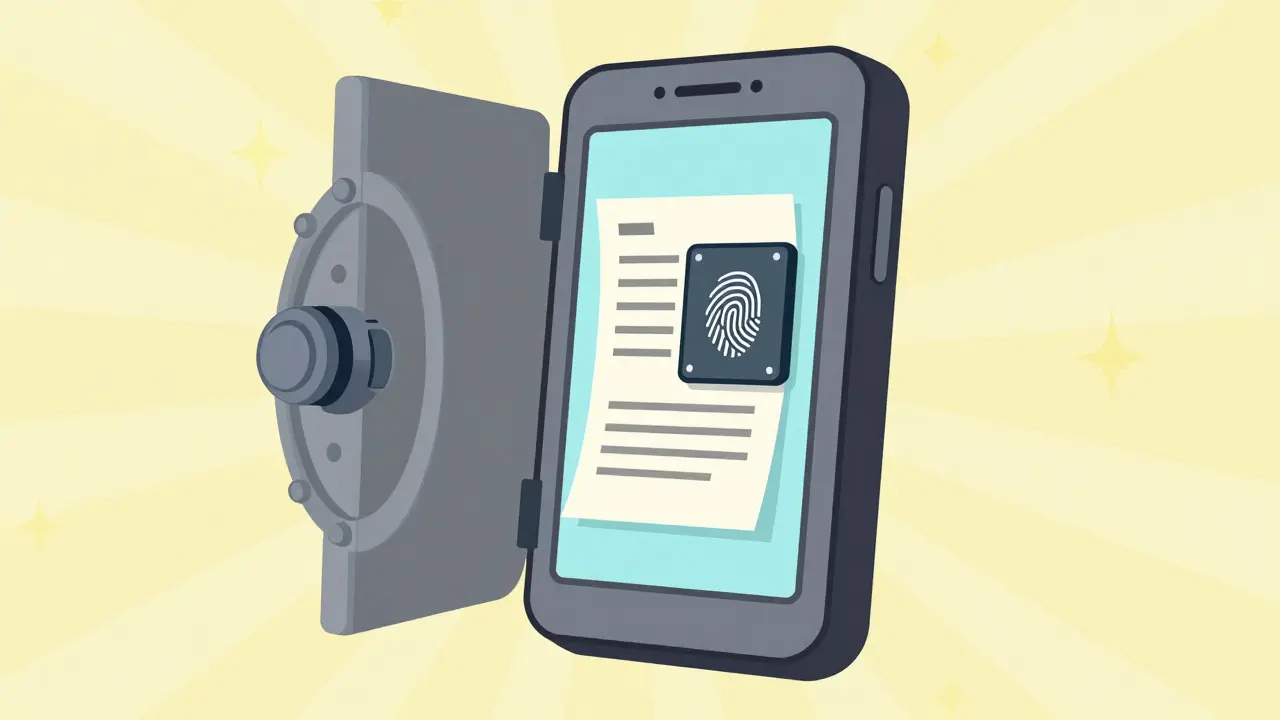
If your pharmacy doesn't offer a portal, use a "Secure Folder" or "Vault" app that requires a separate biometric lock (fingerprint or face ID). When you save the document, rename it something vague like "Travel Doc 1" rather than "Opioid Prescription." This adds a layer of "security through obscurity," making the file less attractive to someone browsing your folders.
Managing Physical Backup Prescriptions
Digital is great, but technology fails. Batteries die, and screens crack. You still need a physical backup, but you can't just fold a piece of paper into your passport holder. Instead, use a dedicated, locking medication organizer. These aren't just for the pills themselves; they often have a secure slot for documentation.
When carrying physical papers, consider these steps to keep them safe:
- Laminate your copies: This prevents water damage and makes the document harder to alter.
- Separate the data: Keep your prescriptions in a different bag or pocket than your passport and wallet. If one is stolen, you don't lose everything.
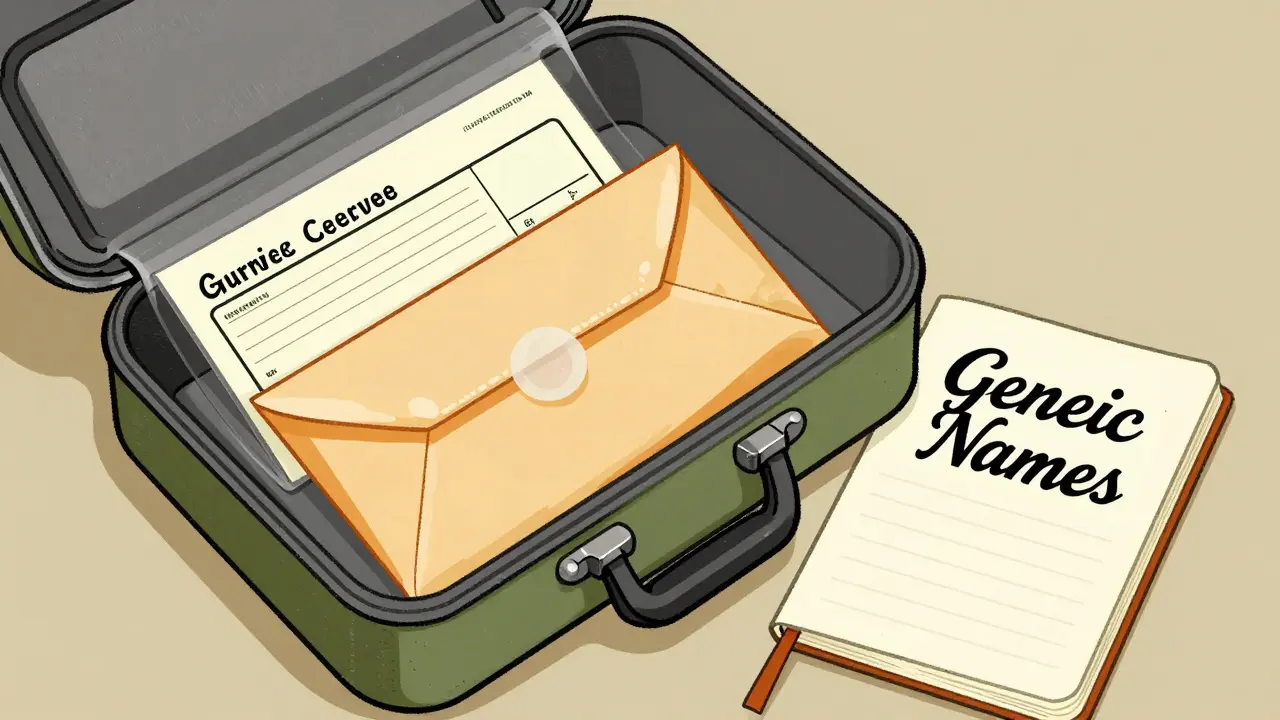
- Use a tamper-evident envelope: A simple sealed envelope can tell you immediately if someone has snooped through your medical records.
| Method | Security Level | Accessibility | Main Risk |
|---|---|---|---|
| Photo Gallery | Low | Very High | Cloud leaks / Unauthorized access |
| Pharmacy Portal | High | High | Internet dependency |
| Encrypted Vault App | High | Medium | Forgotten passwords |
| Physical Paper | Medium | High | Theft or physical loss |
The "Generic Name" Rule for International Travel
If you are traveling across borders, a backup copy of the prescription is only half the battle. Brand names change. A drug called "Tylenol" in the US is "Paracetamol" in the UK. If you present a backup script with only the brand name, a foreign pharmacist might not recognize it, or worse, give you the wrong dosage.
Always ensure your backup copies include the Generic Name the chemically identified name of a drug, regardless of the brand marketed by the pharmaceutical company. This is the universal language of medicine. Ask your doctor to explicitly write "Generic Name: [Chemical Name]" on every script. This ensures that even if the physical paper is damaged or the digital copy is blurry, the essential medical information remains clear.
Common Pitfalls to Avoid
One of the biggest mistakes people make is relying on "Medication Reminder" apps for storage. While apps like Medisafe are great for reminding you to take a pill, they aren't designed as secure document vaults. A 2021 study by the Agency for Healthcare Research and Quality noted that 68% of patients using non-integrated apps experienced medication discrepancies during care transitions. This usually happens because the app is a static record that doesn't update when the doctor changes the dosage.
Another trap is emailing the prescription to yourself. Email is generally not encrypted end-to-end, meaning if your email is compromised, your medical history is wide open. If you must send a copy via email, encrypt the file as a ZIP with a strong password first.
Is it legal to carry backup prescriptions in other countries?
Yes, but it depends on the medication. For standard meds, a copy of the prescription is usually sufficient. However, for controlled substances (like strong painkillers or ADHD meds), you often need a notarized doctor's letter and the original prescription to avoid customs issues. Always check the embassy website of your destination.
What should I do if I lose both my meds and my backups?
Contact your home pharmacy immediately. If you used a secure portal, you can access your records from any device. If not, your pharmacy can often fax or electronically send a verified script to a local pharmacy in your current location, provided the laws of that country allow it.
Can I just use a cloud drive like Google Drive or iCloud?
You can, but only if you use the "Vault" or "Locked Folder" feature. Standard folders are too vulnerable. Ensure two-factor authentication (2FA) is enabled on your account so that even if someone gets your password, they can't access your documents without your phone.
How often should I update my backup copies?
Every time your dosage changes or you start a new medication. Using an outdated backup is dangerous because a pharmacist might dispense a dose that is no longer appropriate for your current health status.
Are there apps specifically for secure medical document storage?
Yes, look for apps that specifically mention HIPAA compliance or AES-256 encryption. Avoid apps that only offer "password protection," as a simple password can often be bypassed by someone with technical knowledge. Biometric locks are significantly more secure.
Next Steps for Different Travelers
For the Casual Vacationer: If you're just going to a nearby city, a secure digital copy in a locked folder and one physical copy in your luggage is plenty. Focus on having the generic names listed.
For the International Expat: You need a more robust system. Maintain a digital folder on a secure cloud with 2FA, carry a laminated physical copy, and keep a digital contact list of your prescribing physician and home pharmacist. Consider getting a formal "Letter of Medical Necessity" from your doctor.
For those with Chronic Conditions: Since you may need refills while away, don't just carry a copy of the script; carry a copy of your most recent lab results or diagnostic report. This helps a new doctor verify the need for the medication without having to run a whole new battery of tests.