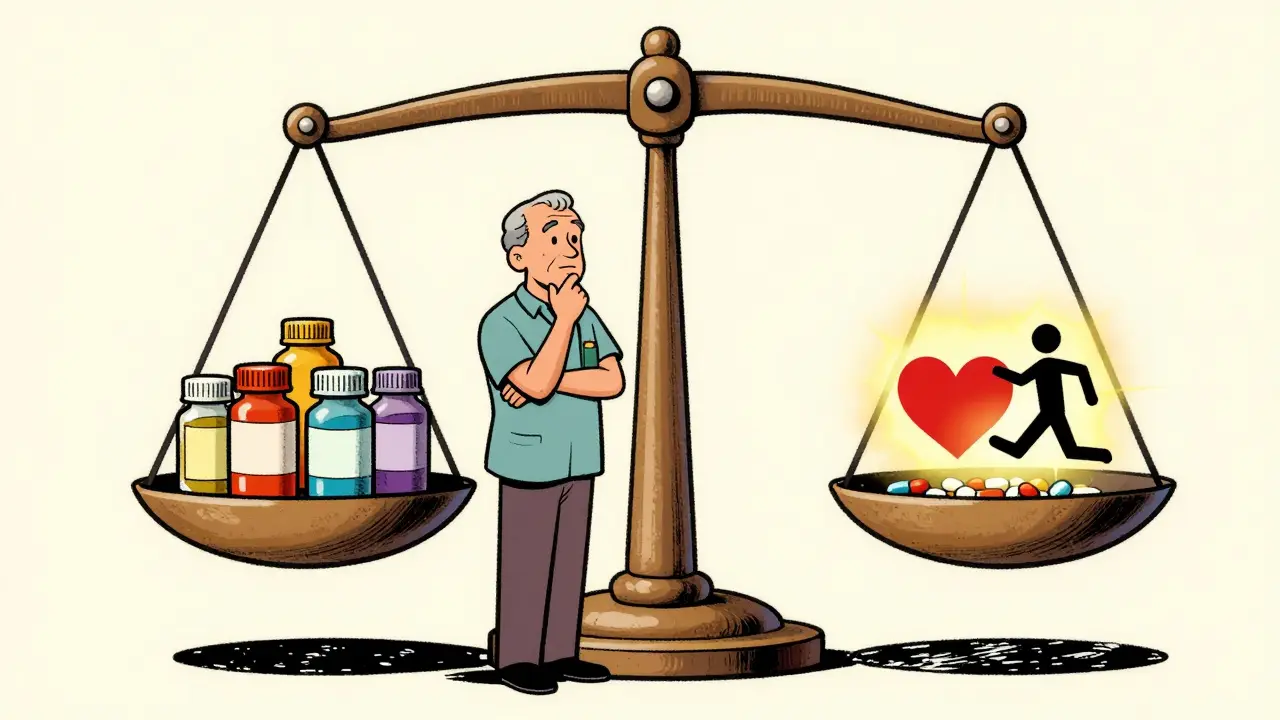
Walking into a hospital with a child is stressful. When you add a surgical procedure into the mix, the anxiety can be overwhelming for both the parent and the kid. The good news is that modern medicine has a very specific playbook to make this transition easier. Using pediatric pre-op medications and a structured preparation plan can reduce postoperative behavioral issues by about 37%, according to data from the Royal Children's Hospital in Melbourne. The goal isn't just to put a child to sleep; it's to manage their fear and keep them physically safe during anesthesia.
The Basics of Preoperative Fasting
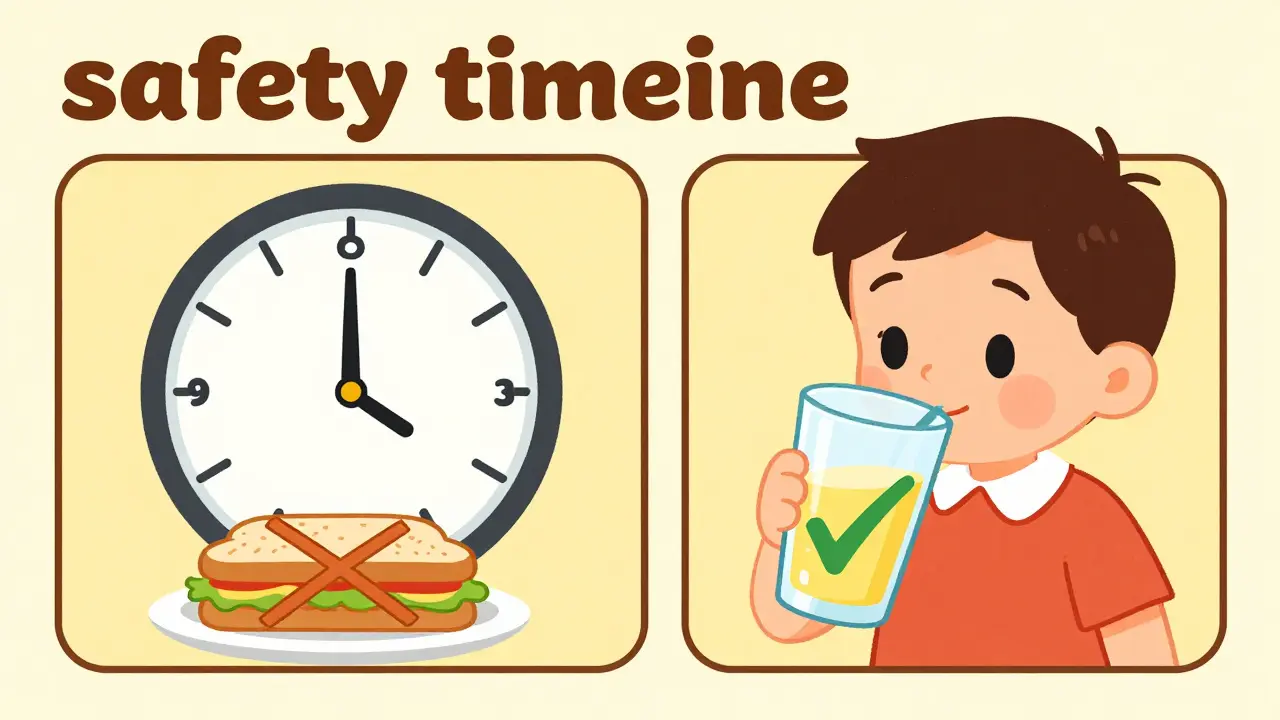
One of the biggest hurdles for parents is the "NPO" (nothing by mouth) rule. It sounds cruel to tell a toddler they can't eat, but it's critical for safety. Children have immature airway reflexes, and if there is food in the stomach, it can enter the lungs during sedation, leading to aspiration.
Different liquids have different "clearance" times. Based on protocols from Texas Children's Hospital, here is the general timeline you should follow:
- Solid foods: Stop all solids after midnight (for children over 12 months).
- Milk and Formula: Allowed up to 6 hours before the procedure.
- Breast milk: Allowed up to 4 hours before.
- Clear liquids: Water, apple juice (no pulp), or Pedialyte are okay up until 2 hours before arrival.
A common mistake parents make is including orange juice in the "clear liquids" category. Unless it's completely strained and transparent, avoid it. If your child is taking daily medications, like antiepileptics, most doctors suggest continuing them with a tiny sip of water on the morning of the procedure, but always double-check your specific surgeon's instructions.
| Feature | Pediatric Protocol | Adult Protocol | Reason for Difference |
|---|---|---|---|
| Clear Liquid Fasting | 2 hours | 4 hours | Faster gastric emptying in kids |
| Midazolam Dose (per kg) | 0.5-0.7 mg/kg | 0.07-0.08 mg/kg | Faster metabolic rate in children |
| Paradoxical Reaction Risk | 5-10% | 1-2% | Developing nervous system |
Understanding Pre-Op Sedatives
Not every child needs a sedative, but for those with high anxiety, Midazolam is a short-acting benzodiazepine used to reduce anxiety and induce amnesia of the immediate preoperative period . It's often the gold standard because it works quickly and helps the child feel relaxed and a bit sleepy.
Depending on how your child handles things, the medical team might use different delivery methods:
- Oral: A syrup given 20-30 minutes before the procedure. This is great for kids who can swallow liquid.
- Intranasal: A spray up the nose. This is often preferred for children who refuse to drink medicine, though some kids find it irritating.
- Intramuscular Ketamine: Used for children who are extremely non-compliant or terrified. Ketamine provides a rapid onset (3-5 minutes), allowing the child to drift off while still in the comfort of their parent's arms.
It is important to be aware of "paradoxical reactions." In about 5-10% of children, sedatives don't make them sleepy-they make them hyper, agitated, or aggressive. If your child starts acting out more after the medication, don't panic; just notify the nursing staff immediately so they can adjust the approach.
Special Considerations for High-Risk Patients
Medical history plays a huge role in which medications are chosen. For instance, children with asthma should typically receive a bronchodilator before the procedure to prevent airway spasms. Similarly, those with obesity may require up to 20% higher doses of midazolam, as standard doses can sometimes be subtherapeutic in these patients.
If your child is taking GLP-1 agonists (like semaglutide), there is a specific safety concern. These medications slow down stomach emptying by 30-40%. The American Society of Anesthesiologists recommends holding semaglutide for a full week before elective surgery to prevent aspiration risks.
For children on the autism spectrum, standard sedatives might not be enough or may be too overwhelming. In these cases, clinicians at RCH Melbourne often use clonidine (administered about 4 hours before the procedure) to help calm the nervous system before the stronger sedatives are introduced.
The Pre-Op Checklist: What to Expect
To avoid the 17% error rate sometimes seen in community settings regarding medication timing, hospitals use a strict checklist. You can help your child's safety by knowing what the team is looking for:
- Airway Assessment: The doctor will check your child's throat and jaw structure to ensure a safe breathing tube placement.
- Medication Reconciliation: A full list of every drug your child takes, including vitamins and supplements.
- NPO Verification: A strict confirmation of when the last bite of food or sip of milk occurred.
- Behavioral Review: Discussing how your child reacts to stress so the team can pick the right sedative.
- Consent Documentation: Ensuring the parents understand the risks and benefits of the specific sedatives used.

Managing the "Wake Up" Phase
The preparation doesn't end when the medication is given. The period when a child emerges from anesthesia can be unpredictable. Some children experience "emergence delirium," which happens in 8-15% of cases, especially with ketamine. This looks like confusion, agitation, or crying upon waking.
The best way to handle this is to stay calm and provide a soothing environment. Familiar toys, a favorite blanket, and the quiet presence of a parent can help the child transition back to reality more smoothly. Avoid overstimulating them with too many visitors or loud noises immediately after they wake up.
What if my child accidentally eats something during the fasting window?
Be honest with the medical team immediately. Eating or drinking after the cutoff increases the risk of pulmonary aspiration. The team will likely postpone the procedure by a few hours to allow the stomach to empty, which is a much safer option than proceeding with a full stomach.
Can I give my child their regular asthma inhaler on the morning of the surgery?
Yes, generally bronchodilators are encouraged for asthmatic patients to keep the airways open. However, always confirm the specific timing and dosage with your anesthesiologist during the pre-op call.
Why is my child's dose of sedative so much higher than mine was?
Children have a much faster metabolic rate and different distribution volumes than adults. To achieve the same level of sedation, they often require a higher dose per kilogram of body weight than an adult would.
What are "clear liquids" exactly?
Clear liquids are fluids that you can see through. This includes water, apple juice without pulp, white grape juice, and sports drinks like Pedialyte. Avoid orange juice, milk, or any liquid with particles, as these slow down gastric emptying.
Is intranasal sedation safer than oral sedation?
Neither is necessarily "safer," but they are used for different needs. Intranasal is better for children who refuse to drink the medicine, while oral is often more palatable. Both are monitored closely by the clinical team.
Next Steps and Troubleshooting
If you are preparing for a procedure soon, start by creating a timeline for your child's meals and medications 24 hours in advance. Write it down and stick it on the fridge to avoid any morning-of confusion. If your child has a complex medical history-such as sleep apnea, which affects 2-5% of pediatric surgical patients-make sure to bring all recent sleep study reports to the appointment.
For parents of children with sensory processing issues or autism, don't hesitate to request a "modified protocol." Ask your provider about the possibility of using calming agents like clonidine several hours before arrival to reduce the stress of the hospital environment.