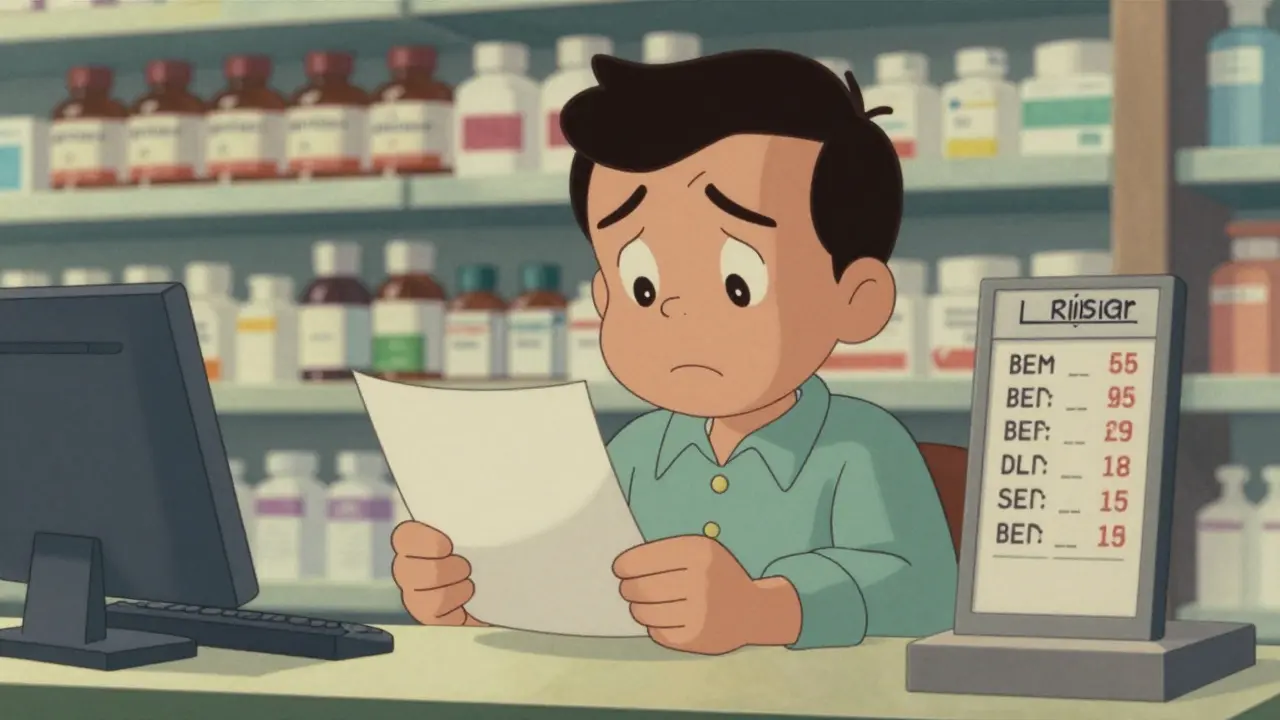
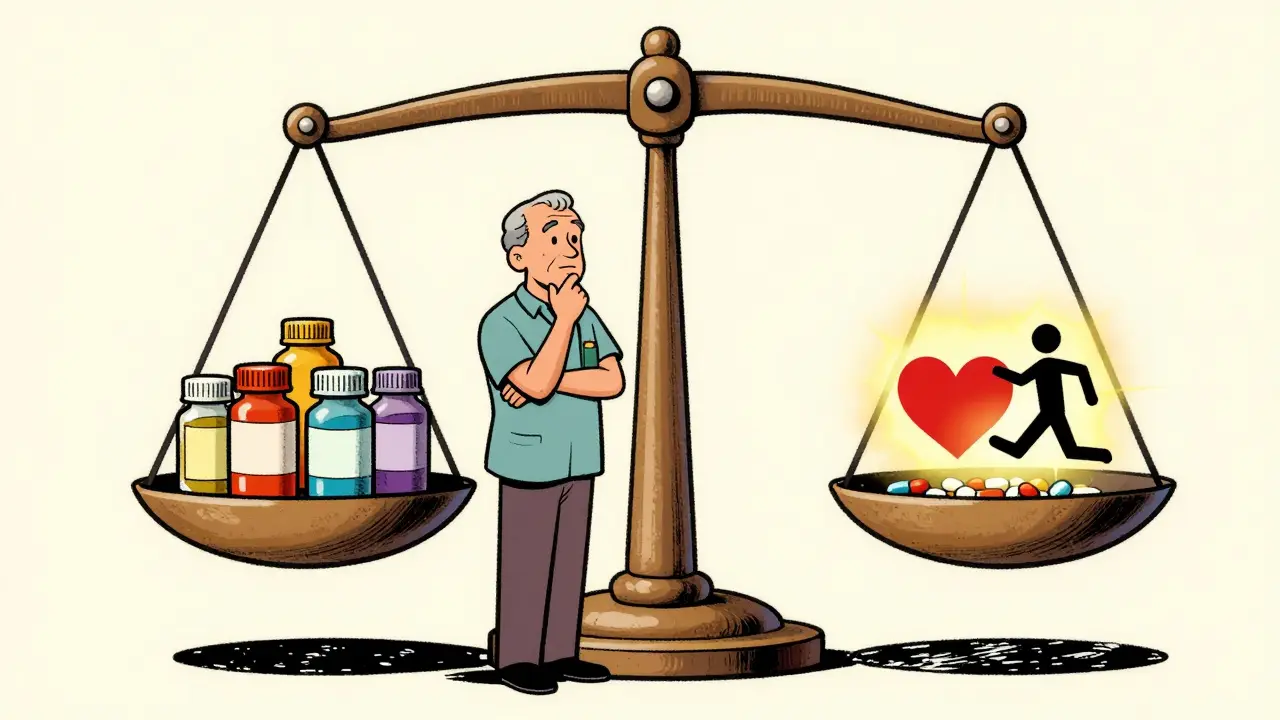
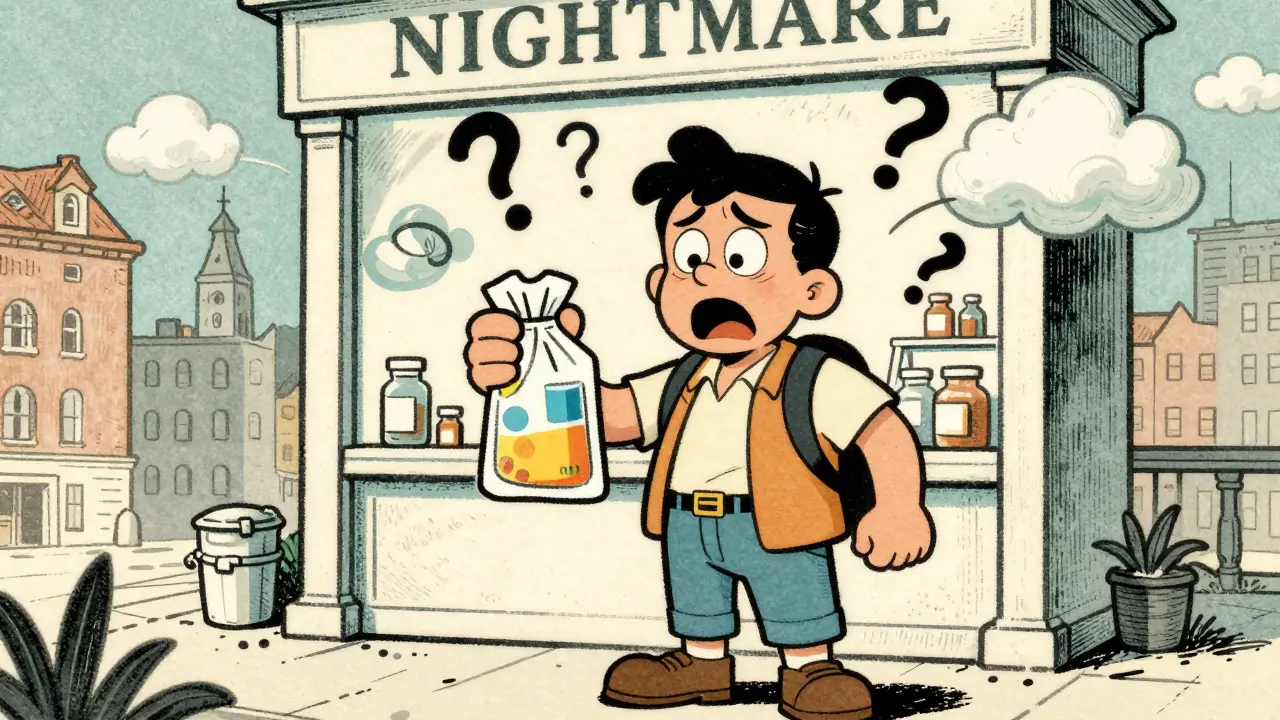
Imagine standing at the pharmacy counter, holding a prescription for a life-saving medication. You look at the price tag, and it's more than you budgeted for this month. Do you buy it, skip a meal, or put it off until next week? This isn't just a hypothetical scenario for millions of people. It's a daily reality where the price of a pill dictates whether you take it or not. When medication costs climb, health often takes a hit. But there is a proven solution that keeps people healthy without breaking the bank: generic drugs.
The Hidden Cost of Skipping Meds
We often think of healthcare costs as what we pay at the doctor's office or the hospital. However, a massive chunk of spending comes from patients not taking their medicine correctly. This is called Medication Adherence, which refers to the extent to which patients follow prescribed treatment regimens. Research consistently shows a direct link between what you pay out of your pocket and whether you actually take the drug. A systematic review of 160 articles found that 85% of them confirmed increasing patient costs significantly decreases adherence. It's a dose-response relationship: the higher the price, the lower the chance you'll stick to the plan.
Why does this matter? Because skipping doses or not filling prescriptions leads to worse health outcomes. Non-adherence contributes to over 100,000 preventable deaths annually in the United States alone. It also drives up emergency room visits and hospitalizations. When you skip your blood pressure meds to save $20, you might end up costing the system $20,000 in an ER visit later. The economic impact is staggering, with non-adherence generating between $100 and $300 billion in preventable healthcare costs every year.
Why Generic Drugs Are the Smart Choice
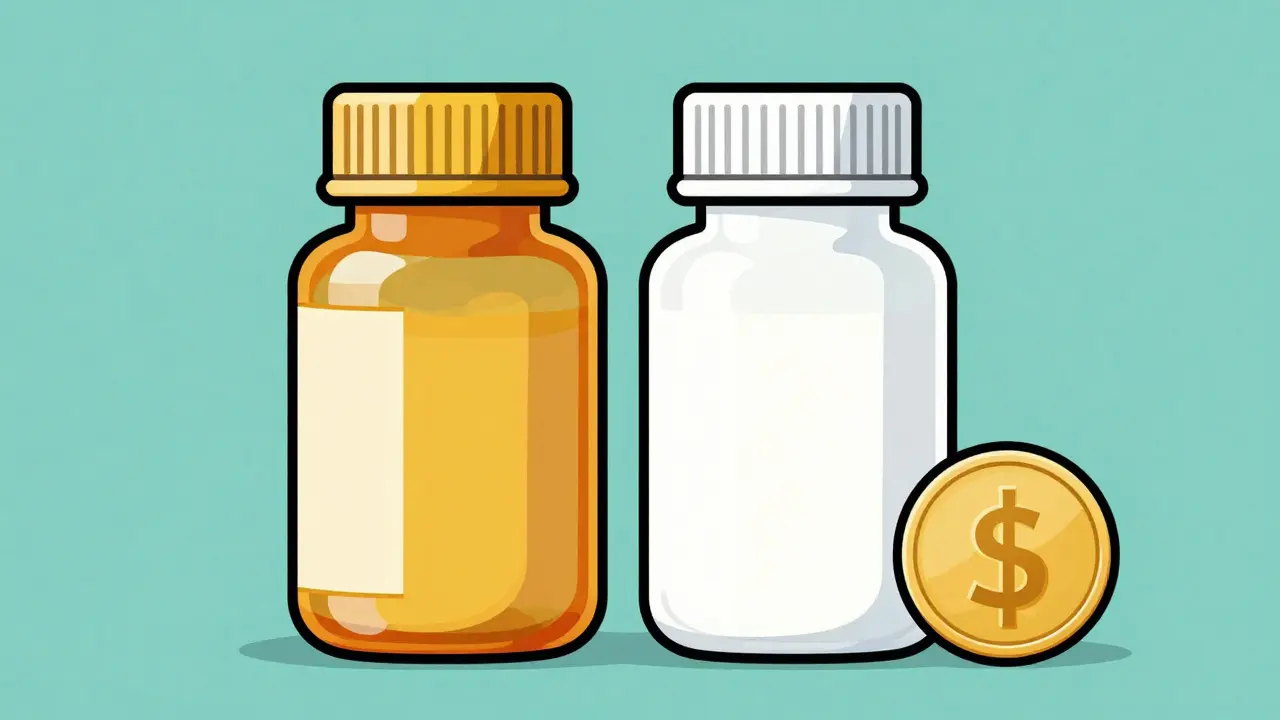
So, how do we lower the price without lowering the quality? Enter Generic Drugs, which are bioequivalent versions of brand-name medications that cost significantly less. Many people worry that cheaper means worse, but the science says otherwise. The Food and Drug Administration (FDA) requires generics to contain the same active ingredient, strength, dosage form, and route of administration as the brand-name drug. They must also demonstrate bioequivalence, meaning they work in the body within 80-125% of the brand-name drug's profile.
Despite this equivalence, generics cost 80-85% less than their brand-name counterparts. This isn't a marketing gimmick; it's the result of not having to recoup the billions spent on initial research and development. For patients, this price difference is the difference between adherence and abandonment. A study by Hershman et al. on breast cancer treatments found that patients on generic alternatives had lower discontinuation rates (17.8%) compared to those on brand-name meds (22.3%). When the financial barrier is removed, patients stay on the treatment plan longer.
Understanding Insurance Tiers and Copays
Your insurance plan plays a huge role in what you pay. Most plans use a tiered pharmacy benefit structure. Think of it like a menu where items are grouped by price. Generic medications usually sit on the first tier, often with a copayment as low as $10. Non-preferred brand medications can be on higher tiers, with copayments ranging from $50 to over $100. These tiered structures systematically create cost barriers. If your doctor prescribes a brand-name drug when a generic exists, you might be stuck with that higher copay unless you ask for a switch.
Insurance companies, often working with Pharmacy Benefit Managers (PBMs), design these formularies to encourage the use of lower-cost options. However, the complexity can confuse patients. A landmark study by Chen et al. showed that when brand-name statins were moved from a second tier to a first tier (lower cost), adherence increased by 5.9%. This proves that even small changes in insurance design can nudge patients toward better health habits. Understanding your formulary is a critical step in managing your health budget.
Real-World Savings and Health Outcomes
Let's look at the numbers. The generic drug market represents 90% of all prescriptions filled in the U.S., yet it only accounts for 23% of total prescription spending. This massive gap generates hundreds of billions in savings. From 2009 to 2019, generics saved the healthcare system an estimated $643 billion. But the savings aren't just for the insurance company; they are for you. A user on a health insurance forum shared a personal story about switching from brand-name Crestor ($75 copay) to generic rosuvastatin ($5 copay). The result? Perfect adherence for 11 months straight, compared to missing 3-4 doses weekly before.
These stories are backed by data. For medications like GLP-1 receptor agonists used in diabetes, every $10 increase in out-of-pocket cost reduces adherence likelihood by 3.7%. This drop in adherence leads to a 5.2% increase in emergency department visits. Conversely, when costs go down, health goes up. Adherent patients experience a 15-20% reduction in hospitalizations. This creates a virtuous cycle: lower drug costs lead to better adherence, which leads to fewer hospital visits, which lowers overall healthcare spending.
Tools to Lower Your Medication Costs
You don't have to navigate this system alone. There are tools designed to help you find the lowest price before you even reach the pharmacy counter. Real-time benefit tools (RTBTs) allow doctors to see your specific copay at the point of prescribing. If a brand-name drug is too expensive, the doctor can instantly switch to a generic or a preferred alternative. Pilot programs using these tools have shown a 12-15% improvement in adherence rates.
For patients, apps like GoodRx can show real-time pricing across different pharmacies. Sometimes, one pharmacy is significantly cheaper than another for the same generic drug. Additionally, the Inflation Reduction Act of 2022 has introduced caps on costs. Starting in 2025, Medicare Part D beneficiaries face a $2,000 annual out-of-pocket cap. This policy change is projected to improve adherence for 1.4 million Medicare beneficiaries. It's a structural shift designed to ensure that cost never completely blocks access to necessary care.
Looking Ahead: The Future of Affordable Meds
The push for affordable medication isn't slowing down. The FDA's 2023 Generic Drug User Fee Amendments (GDUFA III) are committing $1.1 billion to streamline generic drug approvals. This is projected to add over 1,500 new generic medications to the market by 2027. More generics mean more competition, which typically drives prices down further. There is also a growing focus on 'value-based insurance design,' where copayments align with the value of the medication rather than just its cost. Pilot programs for high-value medications in diabetes and cardiovascular disease have already shown an 18.3% improvement in adherence.
As we move through 2026, the gap between what Americans pay for brand-name drugs compared to other countries remains a talking point. Americans still pay significantly more for brand-name drugs than residents of Japan, the UK, or Germany. However, the widespread availability of generics helps close that gap for the average patient. The key is awareness. Knowing that a generic option exists and understanding how to access it empowers you to take control of your health without financial stress.
Frequently Asked Questions
Are generic drugs exactly the same as brand-name drugs?
Generic drugs must contain the same active ingredients and work the same way in the body as brand-name drugs. The FDA requires them to meet strict bioequivalence standards. The main differences are usually in inactive ingredients like fillers or colors, which do not affect how the medicine works.
How much money can I save by switching to generics?
On average, generic drugs cost 80-85% less than brand-name equivalents. For example, a medication that costs $100 for the brand name might only cost $15 or less for the generic version, significantly reducing your out-of-pocket expenses.
Can my doctor prescribe a generic instead of a brand?
Yes, doctors can prescribe generics unless they specifically indicate 'Dispense as Written' on the prescription. In most cases, pharmacists will automatically substitute the brand with a generic to save you money, but you can always ask your doctor to write the generic name on the script.
What happens if I can't afford my medication?
If you are struggling with costs, talk to your doctor immediately. They may have samples, know of patient assistance programs, or can switch you to a lower-cost generic alternative. Never skip doses without consulting your healthcare provider, as this can be dangerous.
Does the Medicare Part D cap apply to generics?
Yes, the $2,000 annual out-of-pocket cap for Medicare Part D applies to all covered prescription drugs, including generics. This cap helps limit the total amount you spend on medications in a year, providing financial protection against high costs.
Caroline Bonner
March 25, 2026 AT 23:08It is absolutely incredible how much money we waste on brand names when the generic is right there! I cannot believe people still pay extra for the fancy label on the bottle. My own experience with insurance tiers has shown me that switching saves a fortune. You really have to look at the formulary before you even go to the pharmacy. It is so frustrating when doctors write the brand name without checking the cost. We need to talk about this more often because lives are literally at stake here. The statistics about adherence are just scary and we should all be worried. I think everyone should demand the generic version if it is available on the market. It makes so much sense to save the money for food or rent instead. The FDA rules are strict enough that you don't need to worry about quality. No one should risk their health for a marketing logo. It is just plain common sense to choose the cheaper option every single time. I hope this post reaches a lot of people who are struggling right now. We can all help each other by sharing these tips and tricks. It really is a win-win situation for everyone involved in healthcare. Thank you for bringing this important topic to our attention today!!!
Sean Bechtelheimer
March 27, 2026 AT 19:32Big Pharma doesn't want you to know this stuff because it cuts into their profits. :/ They push the brand names hard even when the generic works just as well. It feels like a setup to keep people sick so they keep paying. :D The insurance companies are in on the scheme too with their tier systems. You can't trust the system to put your health first over money. :)
Raphael Schwartz
March 29, 2026 AT 13:21US healthcare is a joke compared to other nations. We pay way too much for everything. Stop blaming pharma and look at our gov. They let this happen. Fix it here first.
Kenneth Jones
March 29, 2026 AT 13:50Insurance tiers dictate what you get not what you need. If you pay more you get the brand if you pay less you get the generic. This is how the system works right now. You have to fight for the switch if your doctor writes the expensive one. Do not accept the first price you see at the counter. Check your formulary before you leave the office. It is your money and your health so take control. Stop letting them decide for you.
Kevin Y.
March 30, 2026 AT 02:13That is a very astute observation regarding the insurance tier structures. It is indeed crucial for patients to be proactive when discussing prescriptions with their physicians. Many individuals are unaware that they can request a generic substitution directly. A polite conversation with the doctor often yields the desired result without friction. We should all encourage our healthcare providers to utilize real-time benefit tools. This ensures the most cost-effective option is selected from the outset. Collaboration between patient and provider is essential for long-term health stability. Thank you for sharing such valuable insights on this matter.
Grace Kusta Nasralla
March 31, 2026 AT 11:28The price of a pill becomes the price of a life when we think about it deeply. We are trading our well-being for currency in this modern system. It is a strange exchange that society has accepted as normal. Perhaps we need to rethink the value we place on health versus wealth. The silence of the system is louder than the noise of the marketing. We stand at the counter and make choices that define our future. It is a heavy burden to carry alone without support. The generic option is a small light in a very dark room.
winnipeg whitegloves
April 1, 2026 AT 13:34You paint such a vivid picture of the struggle at the pharmacy counter. The financial barrier feels like a jagged wall blocking the path to wellness. Generics offer a smooth bridge across that chasm of cost. It is a beautiful thing to see science work for the people instead of the profit. Your words resonate with the quiet desperation many feel daily. We must cherish the affordable options that keep our bodies humming. It is a symphony of health that requires every note to be played correctly. Thank you for sharing such a poignant perspective on this issue.
Marissa Staples
April 3, 2026 AT 12:51It really makes you think about how much money we throw away on labels instead of medicine.