Imagine fighting a stubborn infection for weeks, taking your pills exactly as prescribed, only to find the bacteria are still winning. It sounds like a medical mystery, but the culprit might be as simple as your morning bowl of yogurt or a glass of milk. For certain medications, the calcium in dairy isn't just a nutrient-it's a chemical barrier that can stop your treatment from working.
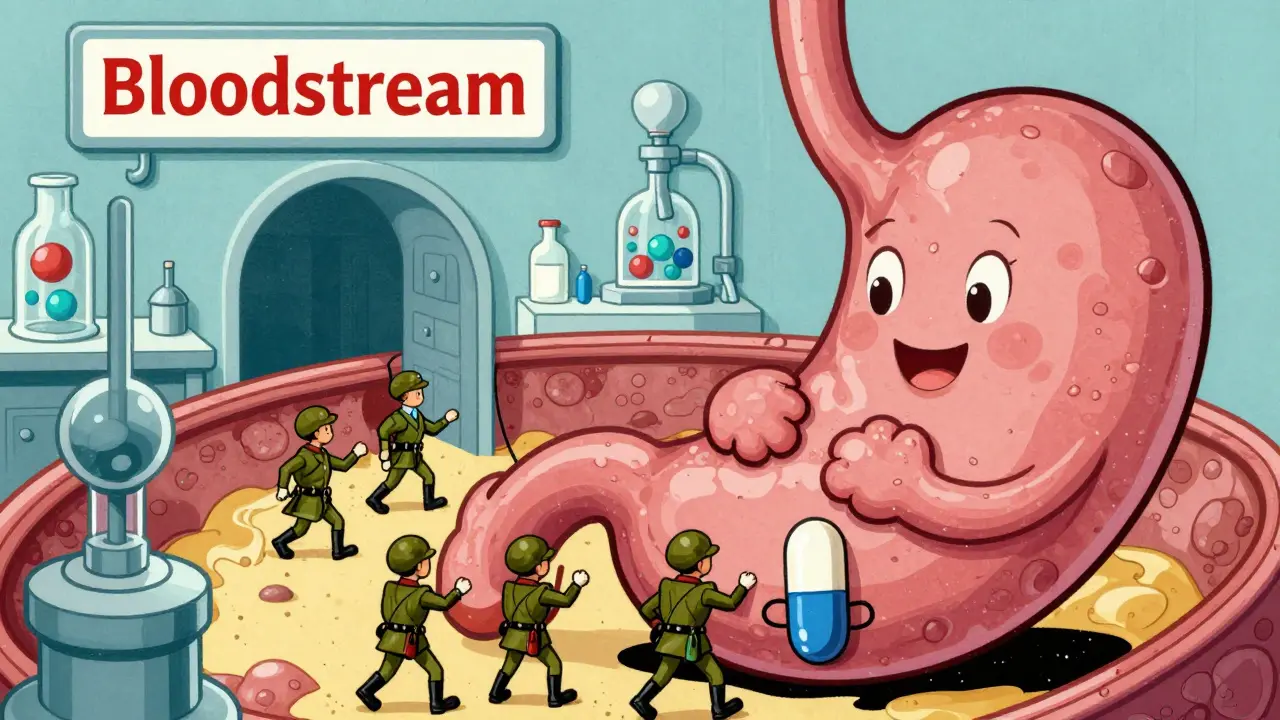
When you take specific antibiotics with dairy, a process called chelation happens. Essentially, the calcium ions in the milk bind to the antibiotic molecules, creating a heavy, insoluble complex. Because this complex is too large and chemically unstable to cross the intestinal lining, the medicine simply passes through your system and ends up in the toilet instead of your bloodstream. This can reduce the drug's effectiveness by anywhere from 20% to a staggering 92%, depending on what you're eating and which pill you're taking.
The Big Hitters: Which Antibiotics Are Affected?
Not every antibiotic cares about your cheese plate. Penicillins and macrolides, for instance, generally don't have this issue. However, two major classes are highly sensitive to calcium.
First, there are Tetracyclines is a class of broad-spectrum antibiotics used for everything from acne to Lyme disease. This group includes drugs like tetracycline, minocycline, and doxycycline. While newer versions like doxycycline are slightly more resilient, they still bind with calcium, magnesium, and iron, which can lead to sub-therapeutic levels in your blood.
Then we have Fluoroquinolones is a powerful group of synthetic antibiotics often used for severe UTIs and respiratory infections. This class includes ciprofloxacin and levofloxacin. These are even more sensitive in some cases; research shows that while milk might reduce ciprofloxacin's peak plasma concentration by 70%, yogurt-which is often denser in minerals-can slash it by 92%.
| Antibiotic Class | Common Examples | Typical Absorption Drop | Highest Risk Product |
|---|---|---|---|
| Tetracyclines | Doxycycline, Minocycline | 50% - 90% | Cheese, Milk |
| Fluoroquinolones | Ciprofloxacin, Levofloxacin | 50% - 90% | Yogurt |
| Penicillins | Amoxicillin | Minimal | N/A |
Why Timing Is Your Only Real Solution
Since the chemistry of calcium binding is a fundamental physical reaction, you can't "outsmart" it with a different brand of milk. The only way to ensure your medicine works is to create a physical gap in time so the antibiotic and the calcium aren't in your stomach at the same moment.
If you're on antibiotic absorption protocols, the general rule of thumb is to take your dose at least 1 hour before or 2 hours after eating dairy. But for the heavy hitters like ciprofloxacin, you need to be more strict. Many pharmacists recommend taking the drug 2 hours before or as many as 4 to 6 hours after consuming calcium-rich foods. This ensures the drug has already crossed the intestinal wall into your bloodstream before the calcium arrives to block the way.
A real-world example of this failure often happens with breakfast. Many people take their meds and then have a bowl of calcium-fortified cereal. To a doctor, that looks like a missed dose. In fact, a specialist from Johns Hopkins Hospital noted that several UTIs failed to clear up simply because patients were unintentionally blocking their ciprofloxacin with fortified breakfast foods.
Hidden Calcium Traps to Watch Out For
It isn't just about cows' milk. The "calcium trap" extends to any product high in polyvalent cations. If you're trying to avoid a dairy interaction, be careful with:
- Fortified Plant Milks: Almond, soy, and oat milks are often spiked with calcium carbonate or calcium phosphate, which bind to antibiotics just as strongly as dairy does.
- Calcium Supplements: Tums, calcium carbonate tablets, and prenatal vitamins are essentially "concentrated' blocks" that can almost entirely stop the absorption of a tetracycline dose.
- Antacids: Many over-the-counter heartburn meds use aluminum or magnesium, which also form these insoluble complexes.
- Fortified Juices: Some orange juices are fortified with calcium, creating a surprising interaction for those who think they're being healthy.
The Danger of "Almost" Working
You might wonder, "If I only lose 30% of the absorption, isn't 70% still enough to kill the bacteria?" In a perfect world, maybe. But in reality, this leads to sub-therapeutic concentrations. This means the antibiotic is present in your body, but not in a high enough dose to kill the strongest bacteria.
This is where things get dangerous. When bacteria are exposed to low levels of an antibiotic, they don't die-they learn. They adapt. This is a primary driver of antibiotic resistance. By taking your meds with yogurt, you might not be curing your infection; you might be training the bacteria to survive the very drug designed to kill them. This can turn a simple infection into a chronic struggle that requires much stronger, more expensive, and more toxic intravenous drugs to fix.
Practical Scheduling for Your Day
Managing a twice-daily antibiotic schedule while still eating the foods you like can be tricky. The best strategy is to anchor your medication to times when you know you won't be eating dairy.
For a twice-a-day dose, try scheduling your medication for mid-morning and right before bed. This leaves your breakfast and dinner windows open for your dairy products, provided those meals are at least two hours away from your pill time. If you're using a digital health app like Medisafe, set alerts specifically for these "danger zones" to remind you not to snack on cheese right after your dose.
Can I take my antibiotic with a small amount of milk?
It is not recommended. Even small amounts of calcium can begin the chelation process, forming insoluble complexes that reduce the amount of drug that enters your bloodstream. To be safe, stick to water and keep a strict time gap between dairy and your dose.
Do all antibiotics interact with dairy?
No. Only specific classes like tetracyclines and fluoroquinolones are significantly affected. Penicillins and macrolides generally do not have this interaction. Always check your prescription leaflet or ask your pharmacist specifically about "calcium interactions."
What happens if I already took my pill with milk?
Don't panic and don't take a second dose. Contact your pharmacist or doctor to let them know. Depending on the drug, they may suggest adjusting the timing of your next dose, but taking an extra pill without guidance can lead to toxicity.
Is yogurt worse than milk?
Yes, in some cases. Research has shown that yogurt can reduce the peak plasma concentration of drugs like ciprofloxacin more significantly (up to 92%) than liquid milk (around 70%) due to the higher concentration of minerals and the way it interacts with the gut.
Does this apply to calcium-fortified almond milk?
Absolutely. The interaction is caused by the calcium ions themselves, regardless of whether they come from a cow or a fortified plant-based beverage. If the label says "calcium fortified," treat it like dairy.
What to Do Next
If you are currently taking a course of antibiotics, your first step is to check the drug name. If it's a tetracycline or a fluoroquinolone, look at your daily routine. Do you have a habit of drinking a glass of milk before bed or eating yogurt for breakfast? Shift those habits by three hours.
If you feel your symptoms aren't improving despite taking your medication, don't assume the drug isn't working. Think back to what you've eaten. Mention any dairy or supplement use to your doctor; it could be the missing piece of the puzzle that turns a failing treatment into a success.