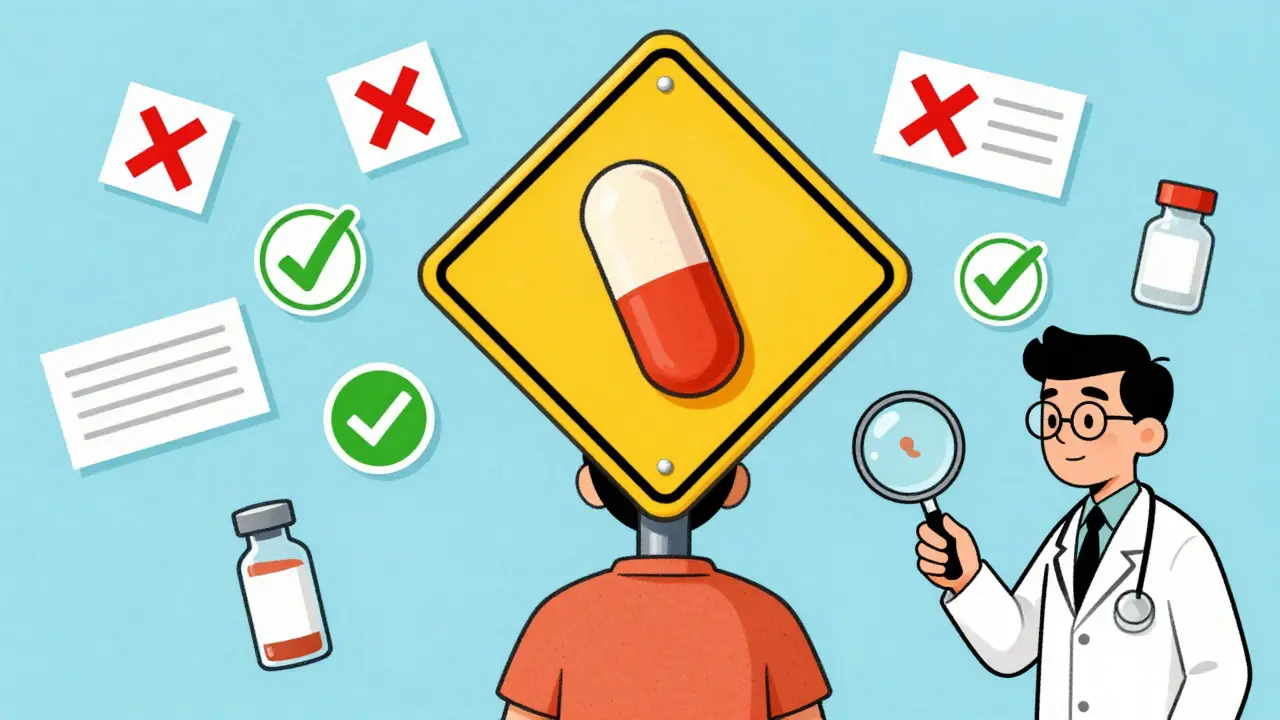
When you have a severe reaction to a drug, your body isn’t just having a bad day-it’s sending a clear warning. But not all reactions mean you need to avoid the entire drug family. Too often, patients are told to steer clear of every medication in a class, even when the risk is low or nonexistent. This can lead to worse outcomes: delayed treatment, unnecessary side effects from less effective alternatives, or even life-threatening infections because the right antibiotic was never tried.
What Counts as a Severe Drug Reaction?
A severe drug reaction isn’t just a rash or upset stomach. According to the FDA, it’s any reaction that’s life-threatening, requires hospitalization, causes lasting disability, or leads to a birth defect. In real terms, that means symptoms like:
- Difficulty breathing or swelling of the throat (signs of anaphylaxis)
- Blistering skin, peeling skin, or large areas of skin loss (Stevens-Johnson syndrome or toxic epidermal necrolysis)
- High fever with rash, swollen lymph nodes, and organ damage (DRESS syndrome)
- Severe liver or kidney failure triggered by a medication
These reactions are rare but dangerous. For example, toxic epidermal necrolysis (TEN) kills up to half of those who get it. When this happens, avoiding the entire drug family isn’t optional-it’s critical. But for less dramatic reactions, the rules are less black-and-white.
Not All Reactions Are Allergic
Most people think a drug reaction means they’re "allergic." But in reality, 80-90% of reported drug reactions aren’t true allergies at all. A true allergic reaction involves your immune system, usually releasing histamine and other chemicals within minutes to hours. Symptoms include hives, swelling, wheezing, or a sudden drop in blood pressure.
Most reactions, though, are side effects. For example, taking an NSAID like ibuprofen might give you stomach bleeding. That’s not an allergy-it’s a pharmacological effect. The same thing happens with statins: muscle pain doesn’t mean you’re allergic to all cholesterol drugs. It just means you might need a different one.
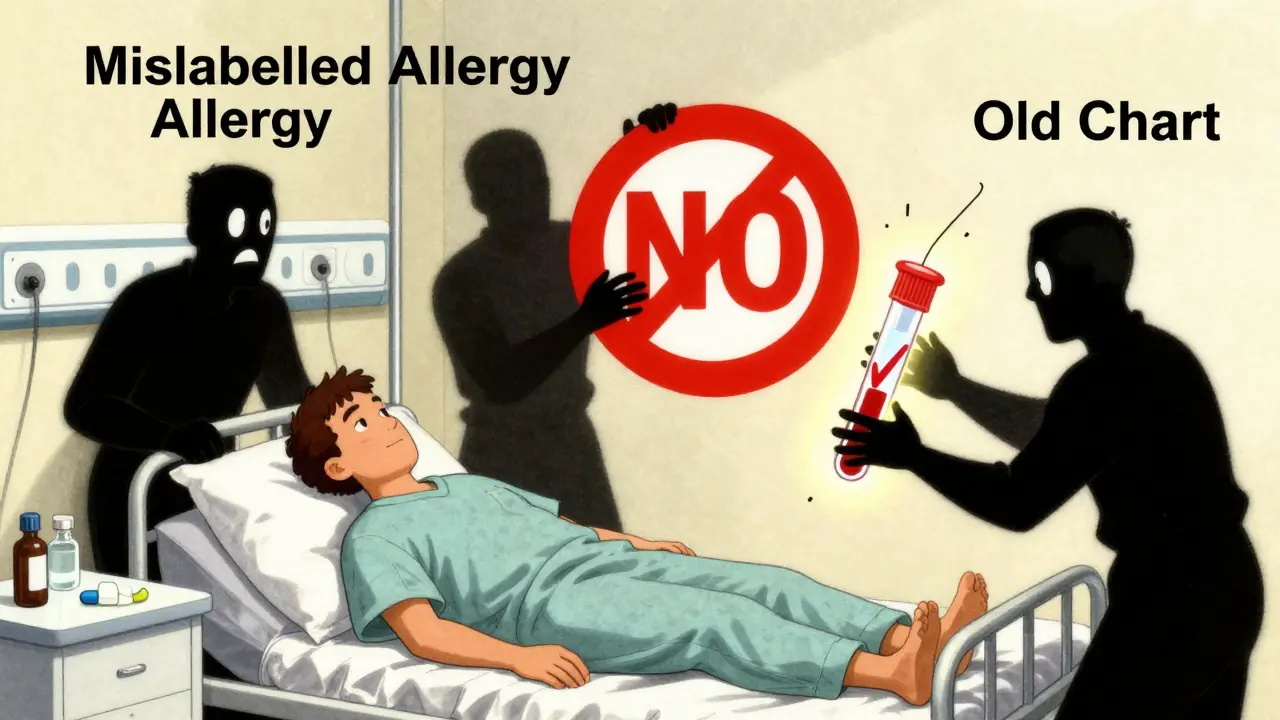
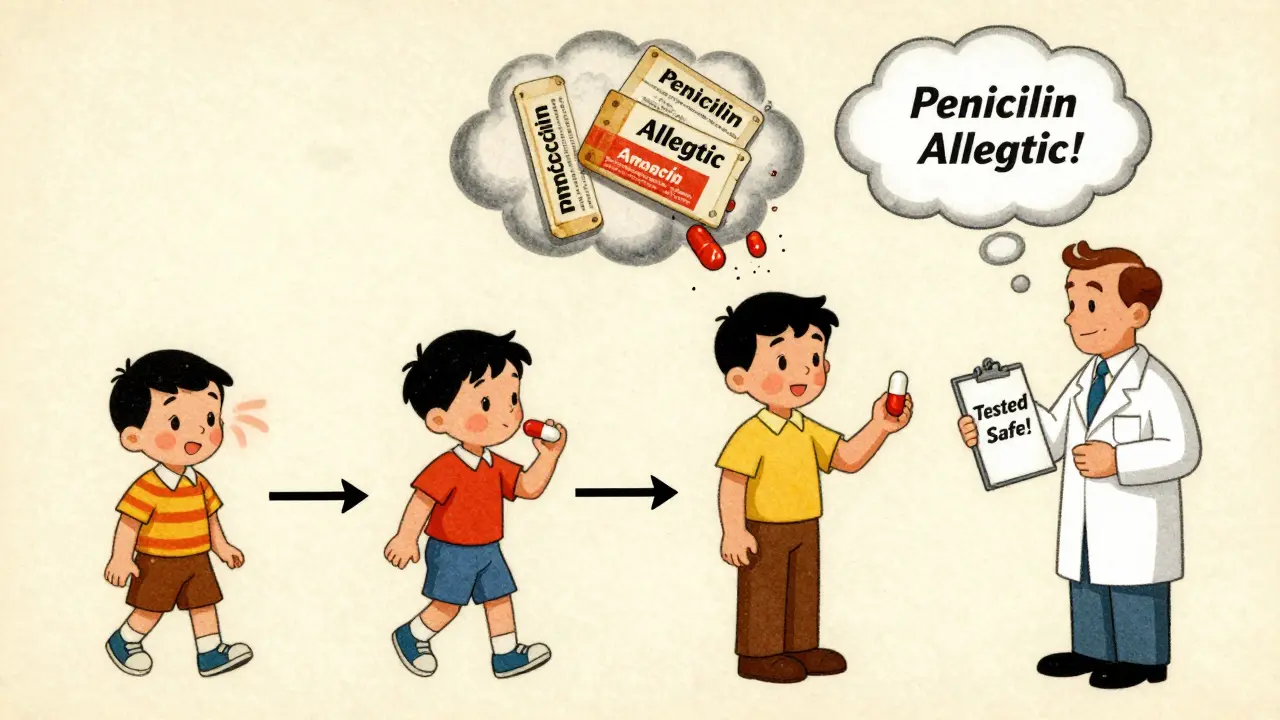
This matters because if you’re told you’re allergic to "all penicillins" after a mild rash from amoxicillin, you might be wrongly denied the best antibiotic for your infection. Studies show that 95% of people labeled with penicillin allergy can actually take it safely after proper testing.
Which Drug Families Have High Cross-Reactivity?
Some drug classes are more likely to trigger reactions across multiple members. Here are the big ones:
- Beta-lactam antibiotics (penicillins, cephalosporins, carbapenems): Cross-reactivity between penicillin and cephalosporins is only 0.5-6.5%, depending on the specific drugs. Many patients can safely take a different beta-lactam after a mild reaction.
- Sulfa antibiotics (like Bactrim or Septra): True cross-reactivity is about 10%. But here’s the catch-many drugs with "sulf" in the name (like furosemide or sulfonylureas for diabetes) are NOT sulfonamides and are usually safe.
- NSAIDs (ibuprofen, naproxen, aspirin): Cross-reactivity is common only in people with aspirin-exacerbated respiratory disease (AERD). About 70% of those patients react to other NSAIDs. But if you just get a stomach ache from ibuprofen, switching to celecoxib (a COX-2 inhibitor) might be fine.
- Anticonvulsants (carbamazepine, phenytoin, lamotrigine): These are linked to SCARs like DRESS and SJS. Once you’ve had one, you’re usually advised to avoid the entire class.
- Allopurinol: A common cause of DRESS and TEN. Avoidance of the entire class is almost always necessary.
The European Medicines Agency found that 95% of TEN cases come from just six drug classes. If your reaction was one of these, avoid the whole family. If it wasn’t, ask whether the risk is real-or just assumed.
When Avoidance Is Necessary
There are clear cases where avoiding the entire drug family is the only safe choice:
- SCARs (Stevens-Johnson, TEN, DRESS): These are medical emergencies. Once you’ve had one, you should avoid the entire class. No exceptions. The risk of recurrence is too high.
- Anaphylaxis: If you had a full-blown allergic reaction with low blood pressure, throat swelling, or collapse, avoid the entire class until you’ve been tested. But don’t stop there-get evaluated. Many people are mislabeled.
- Drug-induced liver or kidney failure: If a drug caused your organs to shut down, don’t risk it again. The damage can be permanent.
But here’s what most doctors don’t tell you: just because you had a bad reaction doesn’t mean you’re allergic to everything in the group. A rash from amoxicillin? That’s often not a true allergy. A reaction to sulfa antibiotics? That doesn’t mean you can’t take a diuretic like hydrochlorothiazide.
What You Can Do: De-Labeling and Testing
The biggest mistake? Never questioning an old label. A 2022 survey found that 42% of people with drug allergy labels faced delays in treatment-sometimes for days-because doctors refused to use the best drug.
Here’s how to fix it:
- Review your reaction: What exactly happened? When? How was it treated? Was it truly life-threatening?
- Ask for allergy testing: Skin tests and blood tests (like ImmunoCap) can now identify true IgE-mediated allergies with 89% accuracy. These tests are widely available in Australia.
- Consider a drug challenge: Under medical supervision, a small dose of the drug can be given to see if you react. Success rates for beta-lactam challenges are 70-85% in low-risk patients.
- Update your records: If testing shows you’re not allergic, make sure your GP, hospital, and pharmacy update your file. Many EHR systems still carry outdated labels.
One patient in Sydney was labeled penicillin-allergic after a childhood rash. At 42, she developed pneumonia and was given a less effective antibiotic-then got worse. After testing, she was cleared to take amoxicillin. Her infection cleared in two days. She’d been avoiding the right treatment for 30 years.
Why This Matters for Your Health
Unnecessary avoidance doesn’t just inconvenience you-it puts you at risk. Patients with false penicillin labels are more likely to get clindamycin or vancomycin, which can cause deadly C. diff infections. They’re also more likely to be hospitalized longer and pay more for care.
Studies show that when hospitals implement structured allergy de-labeling programs, they reduce inappropriate antibiotic use by 30% and cut hospital stays by nearly two days. That’s not just cost savings-it’s lifesaving.
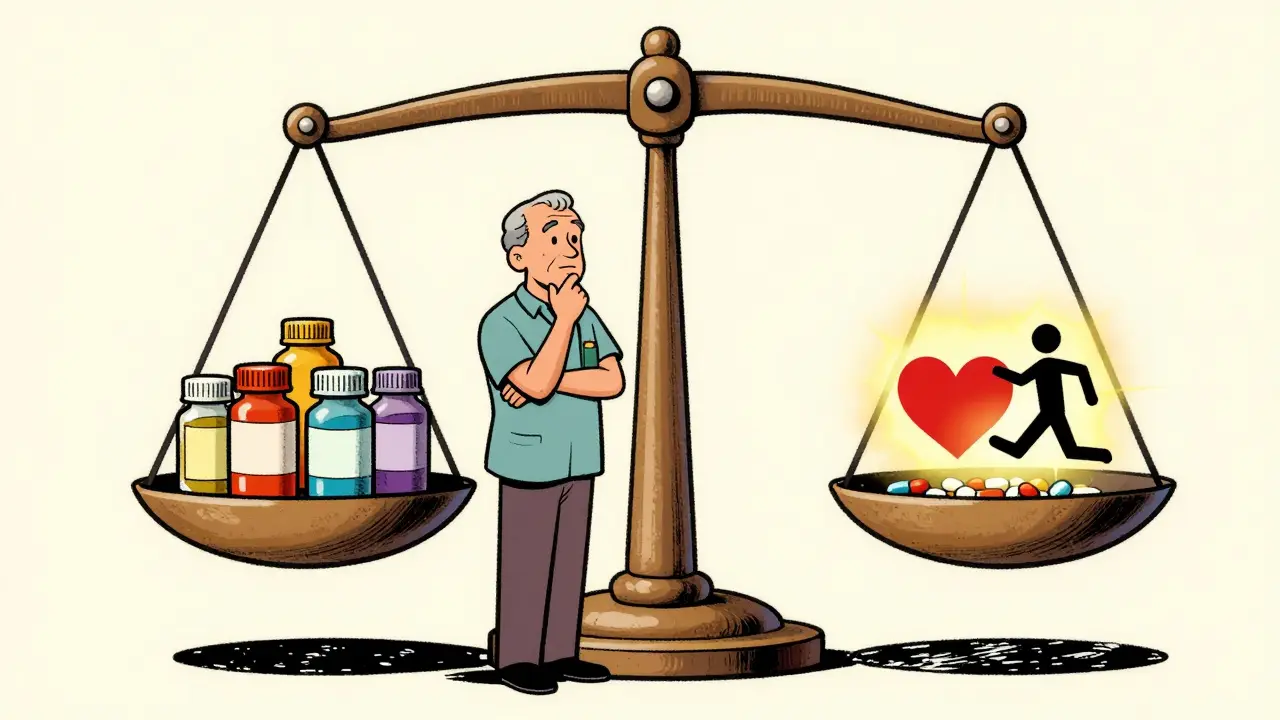
And it’s not just about penicillin. The same logic applies to sulfa drugs, NSAIDs, and statins. The goal isn’t to avoid drugs-it’s to avoid the wrong drugs. If you’ve had a severe reaction, get the facts. Don’t let an old label decide your treatment.
What to Do Next
If you’ve had a severe reaction:
- Write down exactly what happened: symptoms, timing, treatment
- Ask your doctor: "Was this a true allergy or a side effect?"
- Request a referral to an allergist if you were told to avoid an entire drug class
- Check your electronic health record-does it say "penicillin allergy" without details? Ask for an update
- Carry a medical alert card if you truly have a life-threatening allergy
Medication safety isn’t about blanket bans. It’s about smart, precise decisions. A severe reaction is a signal-not a life sentence. Get the right information. Ask the right questions. And don’t let an outdated label keep you from the medicine you need.
If I had a rash from penicillin as a child, do I need to avoid all antibiotics forever?
No. Most childhood rashes from amoxicillin or penicillin are not true allergies-they’re viral rashes that happen to appear while taking the drug. Studies show that over 90% of people with this history can safely take penicillin or related antibiotics after proper evaluation. Skin testing or an oral challenge under medical supervision can confirm whether you’re truly allergic.
Can I take a sulfa antibiotic if I had a reaction to Bactrim?
It depends. If your reaction to Bactrim was a mild rash, you might be able to take another sulfa drug safely. But if you had Stevens-Johnson syndrome or anaphylaxis, avoid all sulfonamide antibiotics. Importantly, many non-antibiotic drugs (like diuretics or diabetes pills) contain "sulfa" in their name but are chemically different and usually safe. Always check with your doctor or pharmacist.
Are drug allergy tests covered by insurance in Australia?
Yes. Many skin tests and blood tests for drug allergies are covered under Medicare, especially if you have a history of severe reactions or if avoiding the drug has caused treatment delays. Your GP can refer you to an immunologist or allergy specialist who will determine the appropriate test and claim it under Medicare.
What if my doctor refuses to test me for a drug allergy?
You have the right to seek a second opinion. Ask for a referral to a specialist allergy clinic-many hospitals in Sydney, Melbourne, and Brisbane have dedicated drug allergy services. You can also contact the Australasian Society of Clinical Immunology and Allergy (ASCIA) for a list of accredited specialists. Don’t accept "it’s too risky" as an answer if you’ve been avoiding a drug that could be your best treatment option.
Can I outgrow a drug allergy?
Yes. Many drug allergies, especially penicillin, fade over time. Studies show that about 80% of people who had a true penicillin allergy as children lose their sensitivity after 10 years. The only way to know for sure is to get tested. Don’t assume you’re still allergic just because you were told so years ago.


Namrata Goyal
March 23, 2026 AT 09:55Caroline Bonner
March 23, 2026 AT 22:53peter vencken
March 24, 2026 AT 01:03Chris Crosson
March 25, 2026 AT 11:13Linda Foster
March 27, 2026 AT 04:13Rama Rish
March 28, 2026 AT 17:07Chris Farley
March 29, 2026 AT 20:38Darlene Gomez
March 30, 2026 AT 08:50Katie Putbrese
March 30, 2026 AT 13:28