Prescription Drugs and Safety: What You Need to Know to Stay Safe
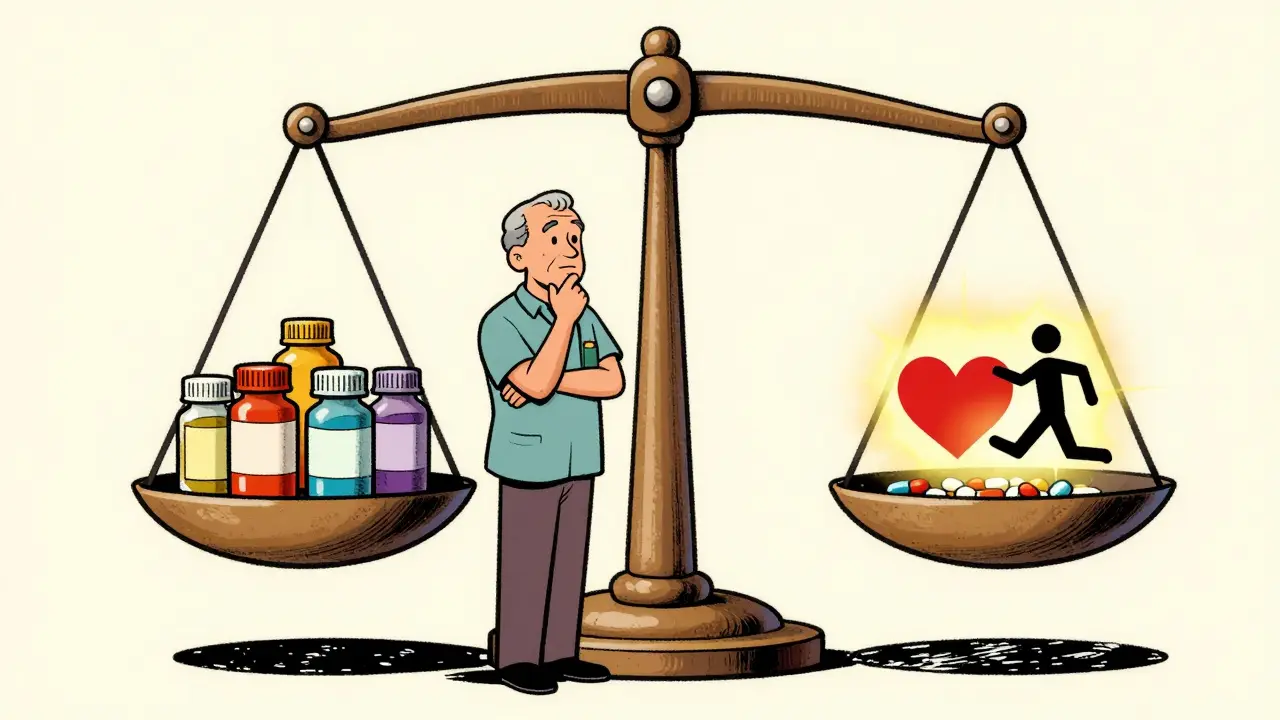
When you take a prescription drug, a medication approved by health authorities for treating specific conditions under medical supervision. Also known as controlled medication, it can be life-changing—but only if used correctly. Millions rely on these drugs every day, but too many people don’t know the real risks hiding in plain sight. A simple mix of two common pills can cause dizziness, breathing trouble, or even liver damage. That’s not a rare accident—it’s preventable.
Medication safety, the practice of using drugs in ways that minimize harm and maximize benefit isn’t just about following the label. It’s about understanding how your body reacts, what else you’re taking, and when to speak up. For example, drug interactions, when two or more medications affect each other’s performance or safety are behind many hospital visits. First-generation antihistamines like Benadryl can turn dangerous when paired with opioids or alcohol. H2 blockers and PPIs taken together often do more harm than good. Even something as simple as expired pills can turn toxic if they change color, smell, or texture.
Opioid dependence, a physical state where the body adapts to regular opioid use and experiences withdrawal without it is often confused with addiction. But dependence doesn’t mean you’re addicted—it means your body is working normally. Tapering off safely, under guidance, is different from quitting cold turkey. And then there’s antibiotic side effects, unintended reactions ranging from mild rashes to severe liver injury. Many people stop antibiotics early because they think side effects mean the drug isn’t working. But stopping too soon breeds resistant bacteria. Some antibiotics can trigger cholestasis or hepatitis, especially with long-term use. And if you think you’re allergic to penicillin, you might be wrong—most reported allergies aren’t true immune reactions.
These aren’t abstract risks. They show up in real lives: a child swallowing the wrong pill, an older adult mixing sedating meds and falling, someone with kidney disease getting the wrong anemia treatment. That’s why knowing what’s in your medicine cabinet matters more than ever. The posts below cover exactly these moments—the hidden dangers, the misunderstood labels, the quiet mistakes that cost people their health. You’ll find clear steps to avoid overdose, spot fake pharmacies, verify your prescriptions, and understand your rights when it comes to drug pricing and labeling. Whether you’re managing chronic pain, dealing with allergies, or just trying to keep your family safe, this isn’t theory. It’s what you need to know before your next pharmacy visit.
Medications and Driving: How Common Drugs Impair Your Ability to Drive and What It Means Legally
- 11 Comments
- Dec, 1 2025
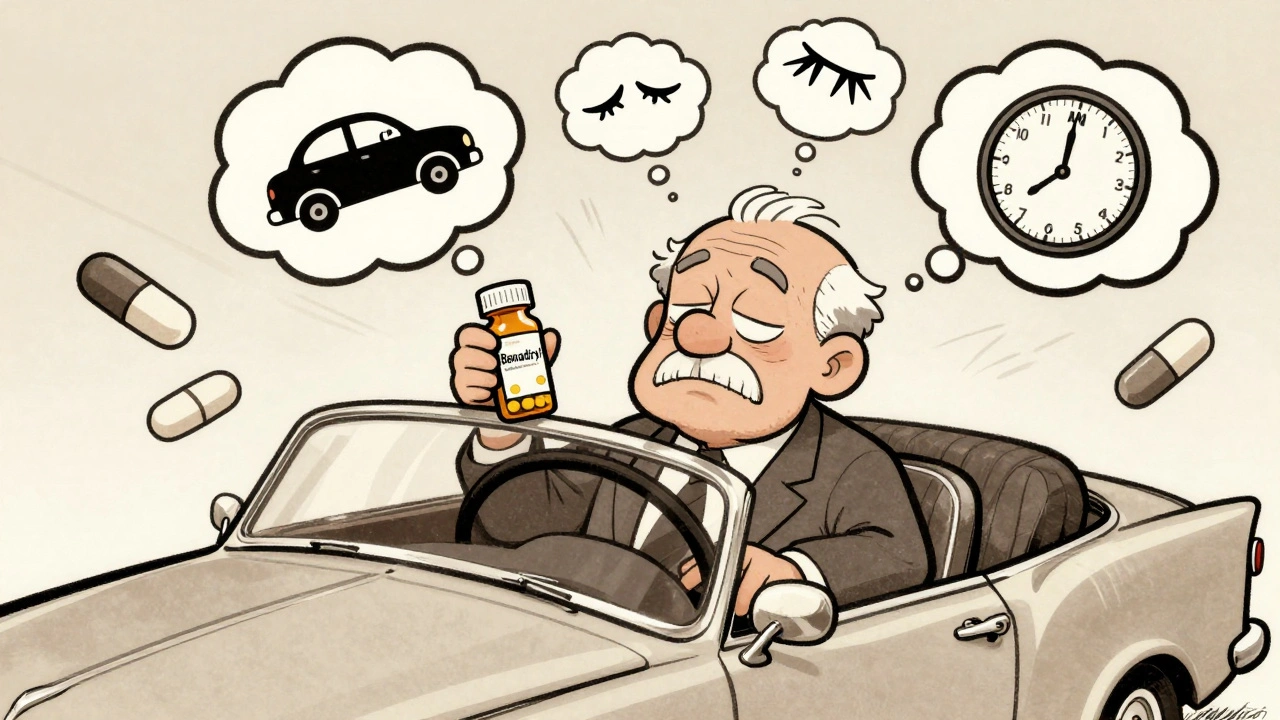
Many common medications impair driving more than people realize-even those prescribed by doctors. Learn which drugs are dangerous behind the wheel, the legal risks, and how to stay safe.