Drug-Impaired Driving: Risks, Common Medications, and How to Stay Safe
When you take a pill for pain, allergies, or sleep, you might not think about how it affects your ability to drive. But drug-impaired driving, the act of operating a vehicle while under the influence of legal or illegal substances that alter brain function. Also known as medication-related driving impairment, it’s just as dangerous as drunk driving—and far more common. You don’t need to be high or drunk to be unsafe on the road. Many over-the-counter and prescription drugs slow your reaction time, blur your vision, or make you drowsy without you even noticing.
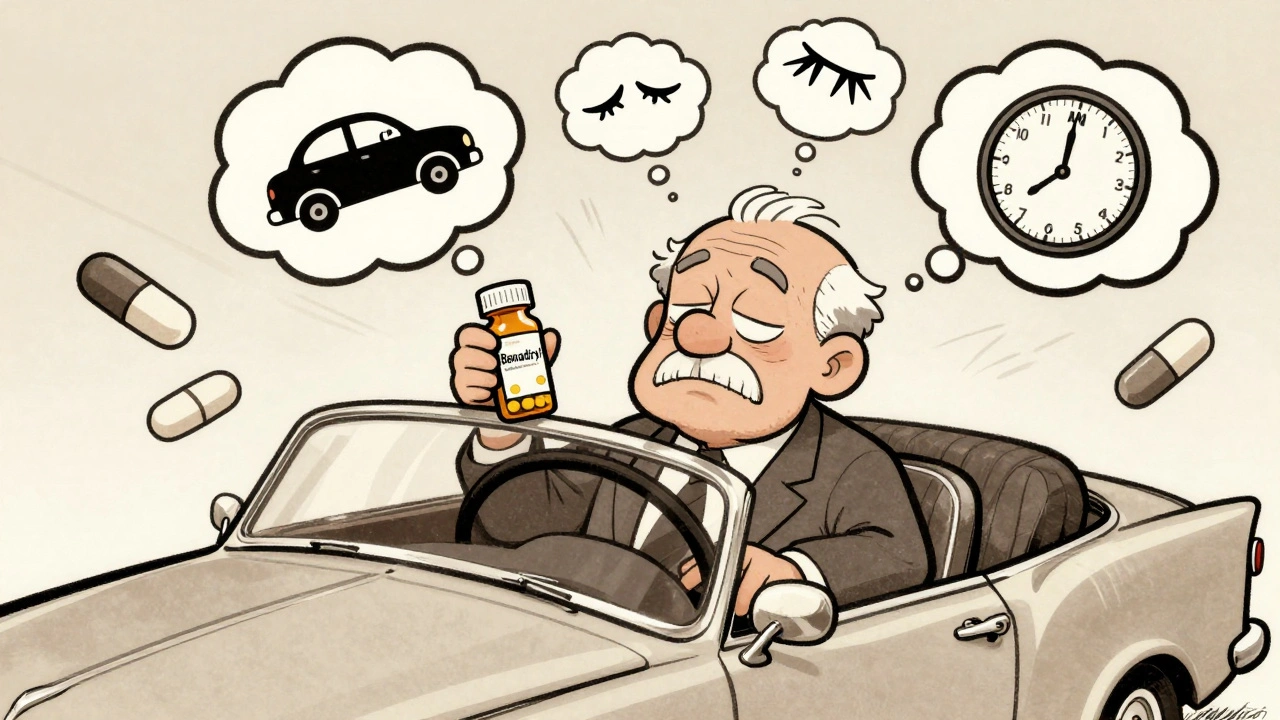
One of the biggest culprits is sedating medications, drugs that depress the central nervous system and cause drowsiness, dizziness, or confusion. First-generation antihistamines like diphenhydramine (Benadryl) are found in sleep aids, cold medicines, and allergy pills—and they’re a major factor in nighttime crashes. Opioid side effects, including drowsiness, slowed breathing, and poor coordination, also make driving risky, even when taken as prescribed. And when you mix these with alcohol, benzodiazepines, or other CNS depressants, substances that reduce brain activity and can amplify sedation, the danger multiplies. Studies show people taking multiple sedating drugs are up to four times more likely to be involved in a crash.
It’s not just about illegal drugs or heavy prescriptions. Even a single dose of an antihistamine can affect your driving the next morning. Older adults are especially vulnerable because their bodies process these drugs slower, and many take multiple medications that interact in ways they don’t understand. The problem? Most people don’t read the labels. They assume if a drug is sold over the counter, it’s safe to use anytime—even before getting behind the wheel.
Here’s the reality: if your medication says "may cause drowsiness," "do not operate heavy machinery," or "avoid alcohol," it’s warning you about your ability to drive safely. Ignoring that isn’t just careless—it’s illegal in most places. Police can test for drug impairment just like they test for alcohol, and penalties can include fines, license suspension, or even jail time.
What can you do? Talk to your pharmacist before starting any new medication. Ask: "Will this make me drowsy or slow my reactions?" Check for interactions if you’re on more than one drug. And if you’re unsure, don’t drive. Take a ride, use public transit, or wait until the next day. Your safety—and the safety of others—isn’t worth the risk.
In the posts below, you’ll find real, practical guides on which medications are most likely to affect your driving, how to spot hidden risks in your medicine cabinet, and what safer alternatives exist. Whether you’re managing chronic pain, allergies, or sleep issues, these articles give you the facts you need to stay alert, legal, and safe on the road.
Medications and Driving: How Common Drugs Impair Your Ability to Drive and What It Means Legally
- 11 Comments
- Dec, 1 2025
Many common medications impair driving more than people realize-even those prescribed by doctors. Learn which drugs are dangerous behind the wheel, the legal risks, and how to stay safe.