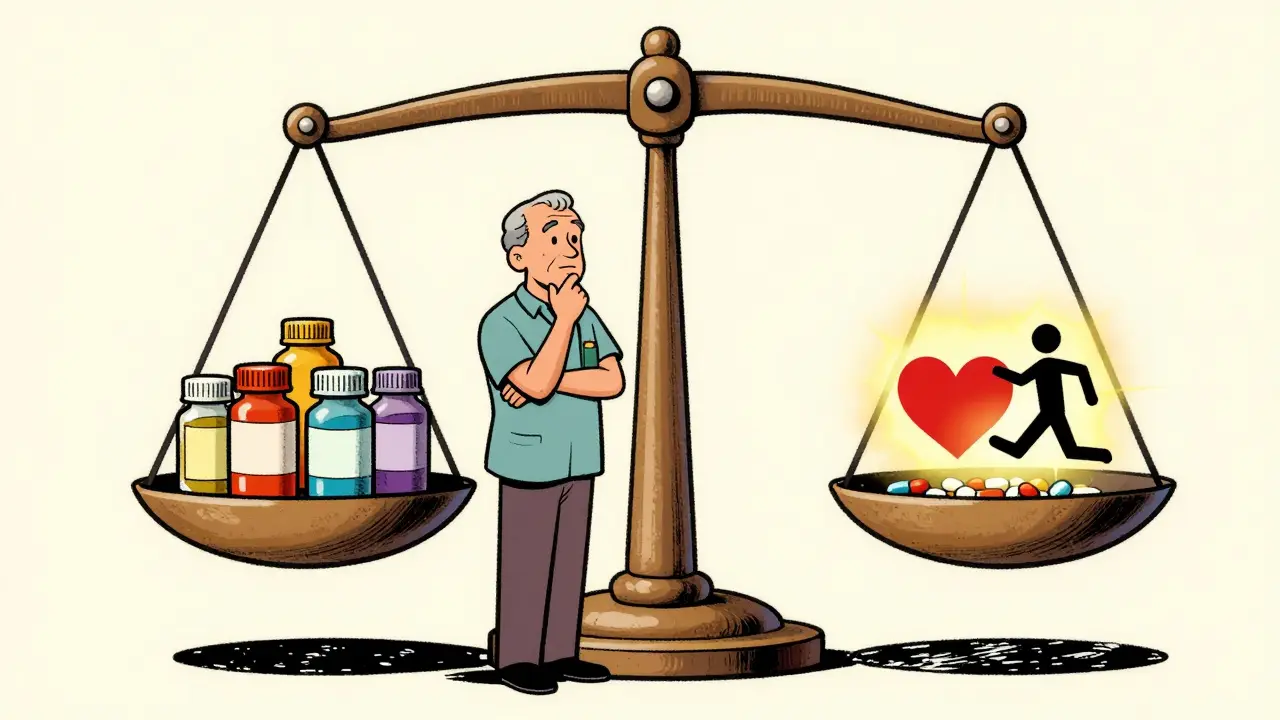
Every pill, capsule, liquid, or patch you take has a hidden rule: storage. If you ignore it, your medicine might not work - or worse, it could turn harmful. You don’t need a pharmacy degree to understand what’s written on the label. You just need to know where to look and what the words really mean.
Where to Find Storage Instructions
On over-the-counter (OTC) medicines like painkillers or antihistamines, storage info is always in the "Other Information" section of the Drug Facts label. That’s the part right after the directions, warnings, and active ingredients. It’s small print, but it’s there - usually near the bottom. Look for phrases like "Store at room temperature" or "Protect from light." For prescription drugs, the label might say "Storage Instructions," "How Supplied," or "Handling." This info is often printed on the pharmacy label attached to the bottle, not just the box. If you’re unsure, check both.
What the Words Actually Mean
"Room temperature" doesn’t mean wherever you keep your socks. According to the United States Pharmacopeia, that means 20°C to 25°C (68°F to 77°F). That’s your bedroom or kitchen cabinet - not the bathroom, not the car, and definitely not the windowsill.
"Refrigerate" means between 2°C and 8°C (36°F to 46°F). That’s the main part of your fridge - not the door. The door swings open every time you grab milk, and the temperature there can spike by 10°C in seconds. Insulin, liquid antibiotics, and some eye drops will lose strength if stored on the door.
"Protect from light" means keep it in its original container. Clear bottles? Put them in a drawer. Sunlight and even bright indoor lights can break down chemicals in medicines like nitroglycerin, certain antibiotics, and some thyroid pills.
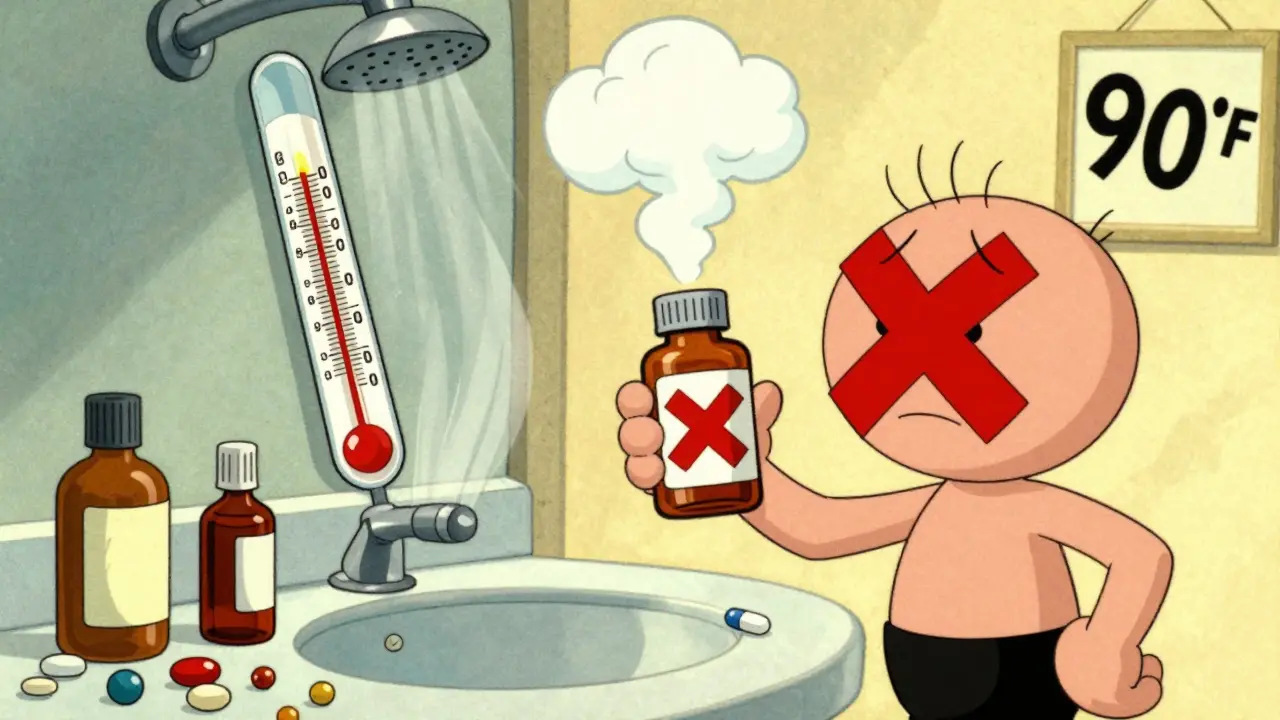
"Store in a dry place" means avoid humidity. Bathrooms are the worst place for meds. Steam from showers raises moisture levels, and that can make pills crumble, liquids grow mold, or patches fall off. A bedroom drawer or a closet shelf is far better.
What Happens When You Ignore These Rules
Let’s say you leave your liquid antibiotic on the counter after opening it. The label says "refrigerate," but you forget. Within days, bacteria can start growing. The medicine might look fine - no color change, no smell - but it’s no longer killing infections. Your child’s ear infection doesn’t clear up. You go back to the doctor. You’re prescribed another round. Cost? More money. More stress. More antibiotics in your system.
Or consider insulin. If it gets too hot - say, left in a car on a 30°C day - the protein structure breaks down. It won’t lower blood sugar. A diabetic person might not even notice until their levels spike dangerously. The FDA reports that storage errors contributed to 1.2% of all medication errors reported between 2020 and 2022. That number is likely way higher, because most people never report these mistakes.
Acetaminophen (Tylenol) is another example. When exposed to heat and moisture over time, it can break down into toxic byproducts. You won’t feel sick right away. But long-term exposure? That’s liver damage waiting to happen.
Common Mistakes People Make
A 2023 survey by Express Scripts found 68% of people sometimes store meds in bad spots. Here’s what that looks like in real life:
- 42% keep meds in the bathroom - because it’s convenient.
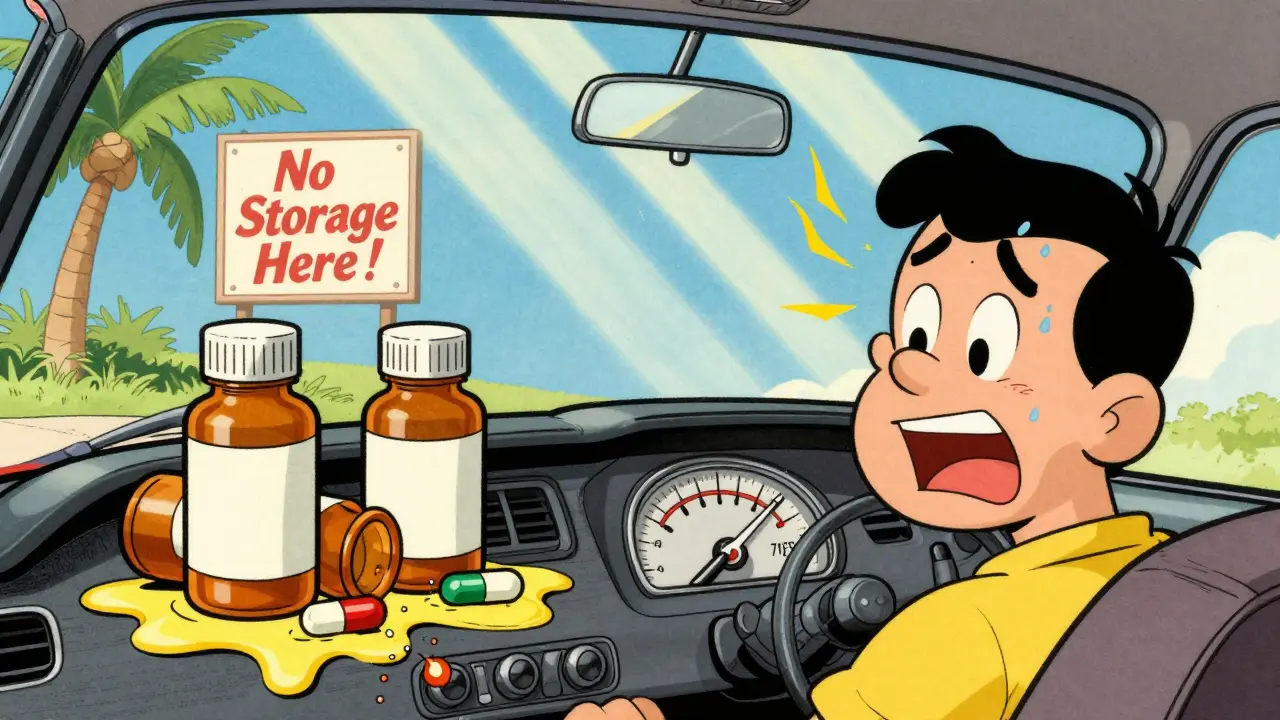
- 27% leave pills in their car - "I just needed one right now."
- 18% store them in the glove compartment or trunk - "It’s out of the way."
- 15% keep them near the stove or radiator - "The kitchen is easiest."
Here’s the truth: the inside of a car on a 32°C day can hit 71°C in under 30 minutes. That’s hotter than an oven on bake. Pills can melt. Liquids can separate. Capsules can burst. It’s not a myth. It’s physics.
Special Cases: Kids, Travel, and Seniors
Children’s medicines often have different storage rules than adult versions. A liquid cough syrup for adults might be shelf-stable, but the children’s version? It may need refrigeration after opening. Always check. The American Academy of Pediatrics says parents should treat each child’s medication as unique - don’t assume.
Traveling? If your medicine needs to stay cold, pack it in a small insulated bag with a reusable ice pack. Don’t just toss it in your carry-on without protection. The FDA recommends this for flights, road trips, or even just going to the beach. Temperature swings during travel are one of the top reasons meds fail.
Seniors living in homes without AC or heating face real challenges. If your home hits 35°C in summer or drops below 5°C in winter, standard storage instructions might be impossible to follow. Medicare’s 2023 guide says talk to your pharmacist. There are often alternative formulations - like tablets instead of liquids - that don’t need refrigeration.
How to Store Medications Right
Here’s what works:
- Use a cool, dry, dark cabinet - like one in your bedroom or hallway.
- Keep meds away from sinks, showers, stoves, and windows.
- If refrigerating, use the main shelf - not the door. Put them in a sealed container to avoid moisture.
- Keep all medicines out of reach of kids and pets - even if they’re "safe."
- Check expiration dates every 6 months. If the pill looks cracked, smells odd, or the liquid is cloudy - toss it.
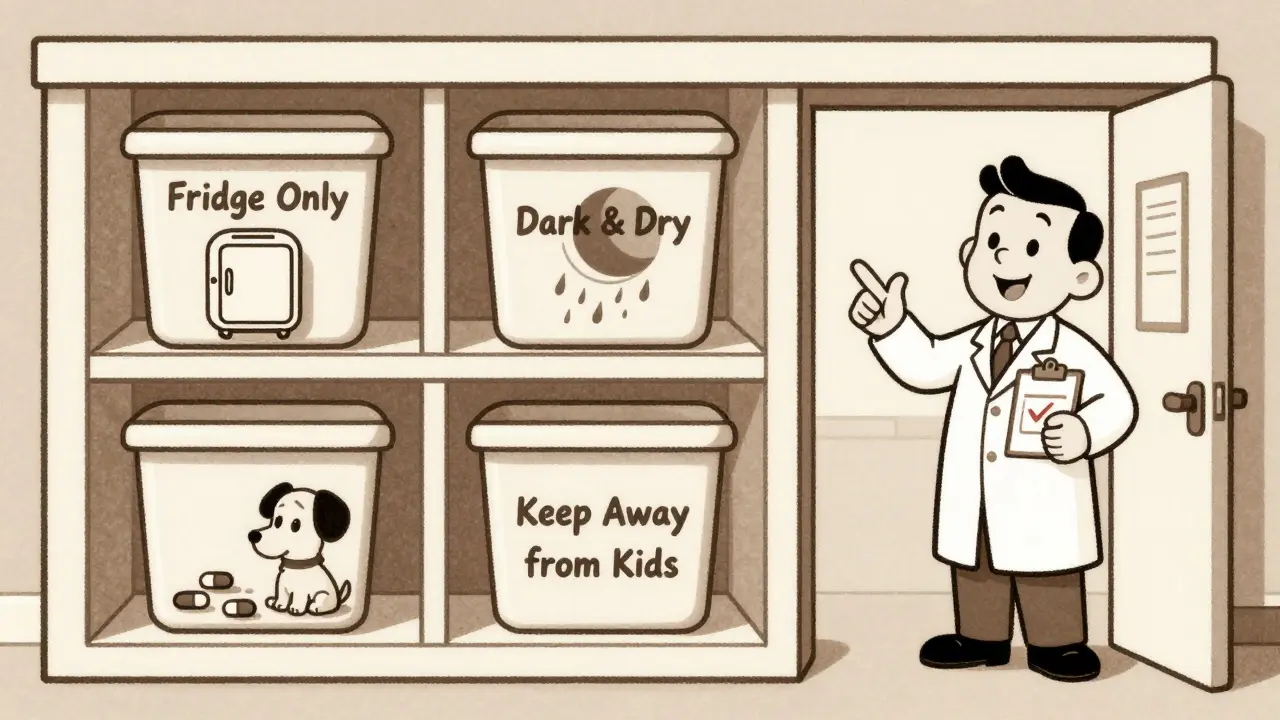
- For multiple meds with different needs, use labeled containers. One for fridge, one for room temp, one for light-sensitive items.
A 2022 national survey found that people who followed storage instructions exactly had an 18.7% higher rate of taking their meds correctly. That’s not just about safety - it’s about getting better faster.
What’s Coming Next
Pharmacies are starting to test smart labels. By late 2024, you might see QR codes on your prescription bottle that link to real-time storage advice based on your location and weather. CVS and Walgreens are testing this. The idea? If it’s 38°C outside and you’re in Florida, the app tells you: "Keep insulin in the fridge - even if you’re traveling." In five years, some high-risk drugs will have tiny sensors built into the packaging. They’ll tell you if the medicine got too hot, too cold, or too damp - right on your phone. This isn’t sci-fi. It’s coming.
When in Doubt, Ask Your Pharmacist
There’s no shame in not knowing. Pharmacists see this every day. If the label says "store below 25°C" and you’re not sure what that means - call them. If you’re going on vacation and have five different meds with conflicting rules - ask for help. Most pharmacies offer free 5-minute consultations just for this.
Dr. Sarah Thompson, a pharmacist at Nationwide Children’s Hospital, says: "If you’re ever unsure about proper storage, ask your pharmacist for specific guidance based on your home environment." That’s not just advice - it’s standard care.