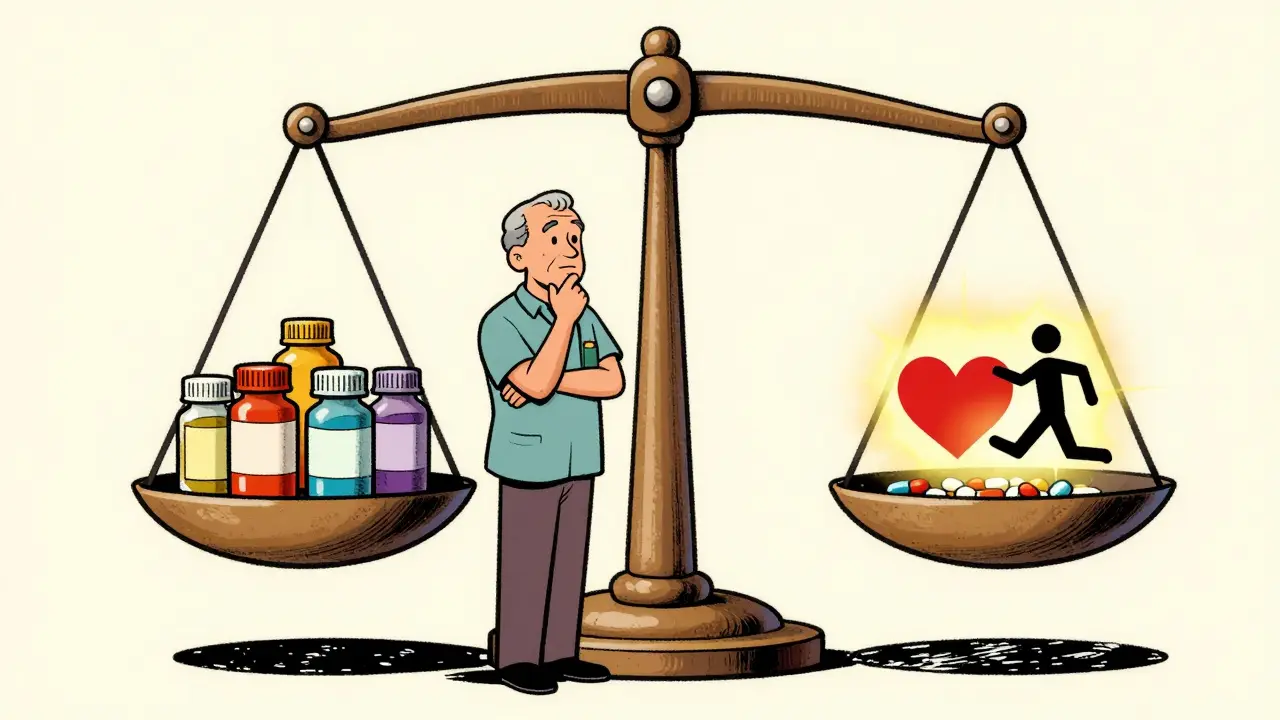
Hypocretin Deficiency: Causes, Symptoms, and What You Can Do
When your brain doesn’t make enough hypocretin, a brain chemical that regulates wakefulness and sleep cycles. Also known as orexin, it’s the signal your body uses to stay alert during the day. Without it, you might suddenly fall asleep mid-conversation, feel paralyzed upon waking, or have no energy even after a full night’s rest. This isn’t just being tired—it’s a neurological condition tied directly to the loss of hypocretin-producing neurons in the hypothalamus.
Hypocretin deficiency is most commonly linked to narcolepsy, a chronic sleep disorder that disrupts the brain’s ability to control sleep-wake cycles. About 90% of people with narcolepsy type 1 have very low or undetectable levels of hypocretin in their spinal fluid. It’s not caused by poor sleep habits or stress—it’s an autoimmune process where the body’s immune system mistakenly attacks the cells that make this vital chemical. Scientists still don’t know exactly why this happens, but it often starts after infections like the flu or strep throat, especially in people with certain genetic markers.
People with this deficiency don’t just feel sleepy—they may experience cataplexy, a sudden loss of muscle tone triggered by strong emotions like laughter or anger. Others have sleep paralysis, hallucinations when falling asleep or waking up, and fragmented nighttime sleep. These symptoms aren’t in their head; they’re biological. And while there’s no cure yet, treatments like stimulants, sodium oxybate, and newer drugs targeting the sleep-wake system can help manage the worst effects. Some people find relief through strict sleep schedules, scheduled naps, and avoiding alcohol or heavy meals before bed.
It’s easy to mistake hypocretin deficiency for laziness or depression, but the science is clear: this is a real, measurable brain chemical imbalance. If you’ve been told you’re just "not trying hard enough" to stay awake, you’re not alone. Many people wait years for a proper diagnosis. The good news? More doctors are testing for hypocretin levels now, and new therapies are in development. Below, you’ll find real stories and practical advice from people managing this condition—how they handle medication side effects, avoid dangerous situations while driving, and use digital tools to stay on track with their treatment. You’re not just reading about a disorder—you’re learning how to live with it, better.
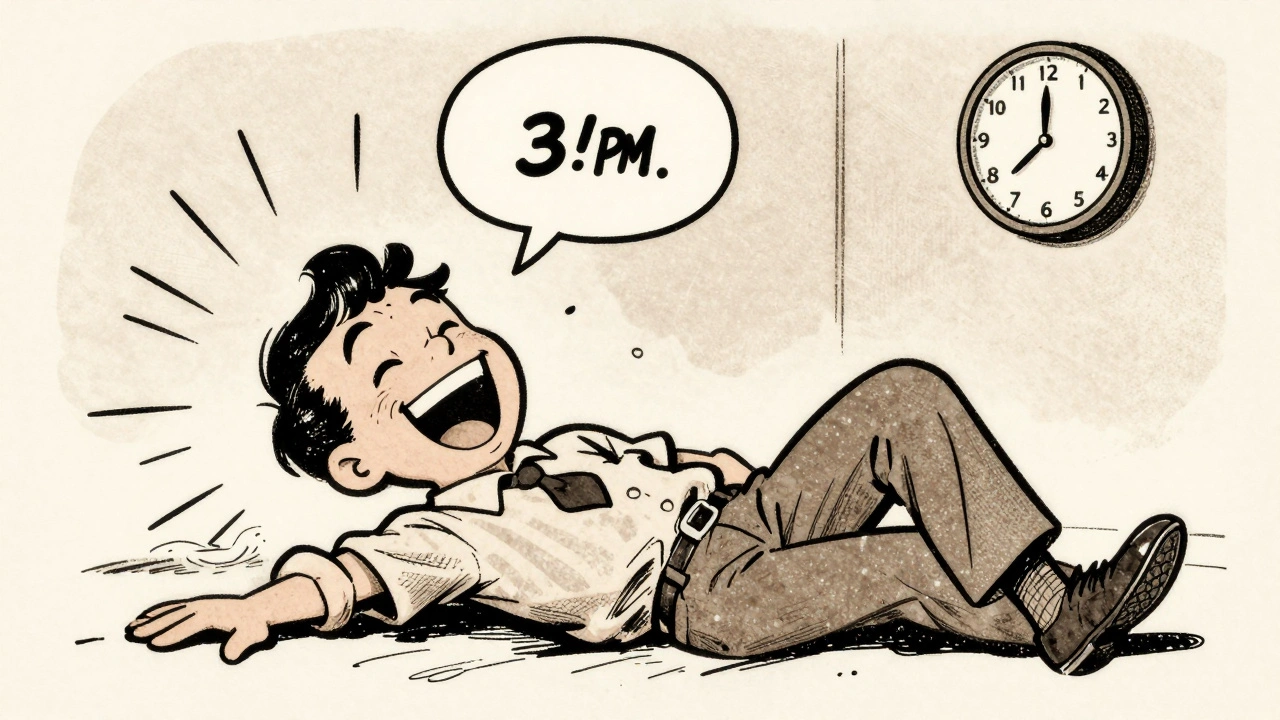
Narcolepsy with Cataplexy: How It’s Diagnosed and Treated with Sodium Oxybate
- 10 Comments
- Dec, 1 2025
Narcolepsy with cataplexy is a rare neurological disorder causing uncontrollable sleepiness and sudden muscle weakness triggered by emotion. Diagnosis relies on sleep studies and CSF hypocretin testing. Sodium oxybate (Xyrem/Xywav) is the only FDA-approved treatment that effectively reduces both cataplexy and daytime sleepiness.